Are you still using a mechanical door lock? Despite the rise of smart locks, traditional mechanical locks remain a reliable choice for many. Their physical security offers unmatched protection, especially in areas where technology might fail.
In this article, we’ll explore why mechanical locks are still widely used today, how they differ from smart locks, and their practical advantages in various environments. Learn about their reliability and security in everyday situations.

Core Security Features of Mechanical Door Locks
What Makes Mechanical Door Locks Secure?
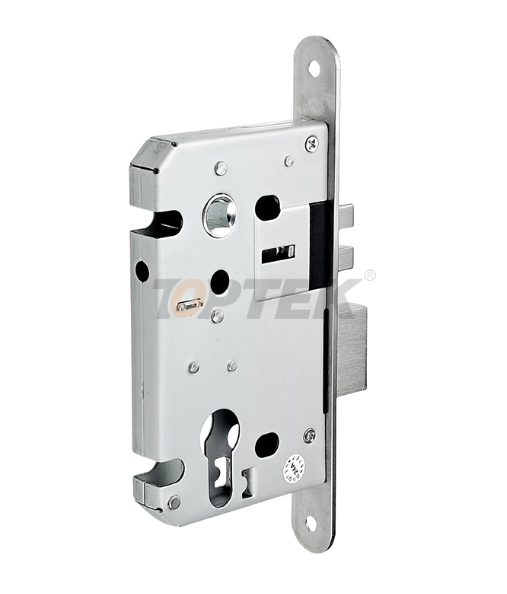
Mechanical door locks are designed for strength and durability. The key components that make them secure include the lock cylinder and the materials used in their construction. A high-quality lock cylinder ensures resistance to picking and tampering. The materials used, like stainless steel and zinc alloy, play a crucial role in making the lock resistant to corrosion and wear.
| Feature | Benefit |
| Lock Cylinder | Resists picking and tampering |
| Materials (Stainless Steel, Zinc Alloy) | High durability and corrosion resistance |
C-grade Lock Cylinders vs. Other Grades
C-grade lock cylinders stand out for their superior security. While A-grade cylinders provide minimal resistance, C-grade cylinders can resist technical unlocking for over 270 minutes. This makes them far stronger against tampering compared to A and B-grade locks. Mechanical locks with C-grade cylinders are the best choice for those seeking long-lasting protection.
Material Durability and Resistance
The materials used in mechanical locks play a huge role in their performance. Stainless steel is known for its strength and resistance to corrosion, while zinc alloy is often used for its durability. High-quality mechanical locks, such as the KFJ5072, are made to endure harsh conditions, offering better protection than cheaper alternatives.
| Material | Benefit |
| Stainless Steel | Strength and corrosion resistance |
| Zinc Alloy | Durability and resistance to wear |
Anti-Corrosion and Anti-Pry Features
The KFJ5072 lock, for example, offers superior anti-corrosion and anti-pry features. These locks undergo rigorous testing to ensure they hold up against wear and tear, making them more reliable than locks made with cheaper, less durable materials. This makes mechanical locks ideal for both home and commercial use, especially in challenging environments.
Real Insert Core Structure
Another feature that sets high-quality mechanical locks apart is the real insert core structure. Unlike locks with fake inserts that fail if the panel is damaged, locks like the KFJ5072 maintain functionality. Even if the lock panel is damaged, the true insert core keeps the lock secure, providing better overall safety.
How Safe is a Mechanical Door Lock Compared to Smart Locks?
When comparing mechanical door locks to smart locks, it’s important to consider physical security. Mechanical locks excel in areas like resistance to physical tampering, as they have no electronic components to fail.
Smart Lock Vulnerabilities
Smart locks, while convenient, come with risks. Battery failure, electronic interference, and potential hacking are all weaknesses. Without a reliable power source or network connection, smart locks can fail at critical moments, leaving you vulnerable.
Pros and Cons: Mechanical Locks vs. Smart Locks
| Feature | Mechanical Locks | Smart Locks |
| Security | High physical security | Vulnerable to hacking and power loss |
| Reliability | No power or network required | Dependent on electricity and network |
| Convenience | Simple to use | Remote access and automation |
While mechanical locks offer unbeatable physical security, smart locks provide modern convenience and remote access. Smart locks may be easier to use, but they come with a price—both in terms of reliability and security risks.
Real-World Effectiveness of Mechanical Door Locks
How Effective Are Mechanical Door Locks in Preventing Break-Ins?
Mechanical door locks are proven to be highly effective in preventing break-ins. Studies show that rooms secured with mechanical locks experience significantly fewer thefts compared to those using smart locks. A 2022 report from a hotel chain showed that properties with mechanical locks had a theft rate of just 1.2%, while those with smart locks had a rate of 3.9%.
Case Studies: Mechanical Locks in Commercial Properties
Hotels and commercial buildings often use mechanical locks for added security. For example, a hotel in New York switched from smart locks to mechanical locks after experiencing a series of break-ins. Since then, they’ve reported a sharp decline in theft attempts. This showcases how mechanical locks, with their physical security features, are more effective in high-risk environments.
Can a Mechanical Lock Be Picked?
Lock picking is a technique that involves manipulating the lock’s pins or tumblers to unlock it without a key. While this is possible, high-quality mechanical locks are designed to resist picking. The stronger the lock cylinder, the harder it is to pick.
C-grade Cylinders and Resistance
C-grade lock cylinders provide a higher level of protection against picking. These cylinders are specifically designed to resist various lock picking techniques. They can withstand up to 270 minutes of technical tampering, which makes them much harder to pick compared to A or B-grade cylinders. This added layer of security is a key reason why mechanical locks remain trusted.
What Are the Most Common Vulnerabilities in Mechanical Locks?
Although mechanical locks are secure, they are not immune to vulnerabilities. Poor installation is one of the most common issues. Incorrect alignment of parts or poorly fitted doors can make it easier to tamper with the lock.
Maintenance Issues
Over time, mechanical locks may experience wear and tear. Keys can become worn, and the internal components of the lock may degrade. Regular maintenance is crucial to ensure the lock continues to function properly.
How to Mitigate These Risks
To prevent vulnerabilities, it’s important to choose locks with restricted key duplication. This ensures that no unauthorized person can copy the key. Additionally, opting for custom spare keys can provide a backup in case of loss. Proper installation and regular maintenance also help keep your locks in top condition, providing long-lasting security.
Advantages of Mechanical Door Locks
Why Choose Mechanical Door Locks for Your Home?
Mechanical door locks offer unmatched reliability. Unlike smart locks, they don't depend on batteries or electricity to function. This makes them ideal for homes and properties where power outages or technology failures might pose a risk.
No Dependency on Electricity or Network
One of the biggest benefits of mechanical locks is their independence from electricity and networks. In areas prone to power outages or where Wi-Fi connections are unreliable, mechanical locks continue to work without any issues. They don’t rely on electronic systems or software updates, ensuring security in every situation.
Security During Power Failures
In 2022, a banking incident highlighted the reliability of mechanical locks during a power outage. While smart locks failed due to dead batteries and network issues, mechanical locks ensured that the bank's vault remained secure. This demonstrates how mechanical locks outperform smart locks during power failures.
Mechanical Door Locks in Fire Safety
Mechanical door locks are also crucial in fire-prone areas. Since they don’t rely on electricity, they don’t suffer from the risk of electrical malfunction during high-temperature conditions. This makes them a safer choice in environments where fire safety is a concern.
Avoiding High-Temperature Risks
Unlike smart locks, which may short-circuit or fail during fires, mechanical locks continue to function. Their simple, mechanical design ensures they remain operational even in extreme heat, safeguarding escape routes during emergencies.
The Longevity of Mechanical Door Locks
Mechanical locks are built to last. With proper maintenance, they can continue to provide reliable security for many years. Since they don’t rely on electronic components, there’s less wear and tear compared to smart locks.
Superior Durability
Mechanical locks often outlast smart locks because they lack complex electronics that can wear down or break. This durability makes them a cost-effective investment, ensuring security for the long term.
Low Maintenance Costs
Another advantage of mechanical locks is their low maintenance costs. Without the need for battery replacements or software updates, they remain affordable over time. This makes them a budget-friendly choice for both homeowners and businesses looking for long-term security.
How to Choose the Right Mechanical Door Lock for Your Needs
What Features Should You Look for in a Mechanical Door Lock?
When selecting a mechanical door lock, there are a few key features to consider. Look for locks that use C-grade lock cylinders, as these provide superior resistance to picking and tampering. The material of the lock is equally important. Opt for sturdy materials like stainless steel or zinc alloy, which offer durability and corrosion resistance.
| Material | Benefit |
| Stainless Steel | Corrosion resistance and durability |
| Zinc Alloy | Strong, durable, and impact-resistant |
Important Certifications
Make sure the lock you choose has proper certifications like QB/T 2474-2017. This certification ensures the lock meets quality and industry standards, offering you a higher level of security and reliability.
How to Properly Install a Mechanical Door Lock?
Proper installation is crucial to ensure your mechanical door lock works effectively. Many common installation mistakes, like improper alignment or incorrect door sizing, can lead to lock failure.
| Installation Guideline | Recommended Specification |
| Door Thickness | 32-50mm |
| Panel Gap | 3-6mm |
Should You Combine a Mechanical Lock with a Smart Lock?
Combining a mechanical lock with a smart lock can enhance security by providing a dual security layer. Hybrid systems combine the best of both worlds—mechanical locks offer physical security, while smart locks provide convenience and remote access.
Hybrid Systems
A mechanical + smart lock combination can provide more protection. If one system fails (e.g., due to power loss or hacking), the other remains secure, giving you peace of mind in any situation.
Disadvantages of Mechanical Door Locks
What Are the Drawbacks of Mechanical Door Locks?
While mechanical door locks offer strong security, they do have some drawbacks. One of the most common issues is key management. Keys can easily be lost, and unauthorized duplication of keys can compromise security.
Potential for Wear and Tear
Over time, both keys and locks can wear out. Constant use may lead to key bending or lock jamming. This wear and tear can weaken the lock's effectiveness, increasing the risk of malfunction or potential security vulnerabilities.
How to Solve Key Management Problems with Mechanical Door Locks?
To prevent issues with key duplication, consider using patented keys. Patented keys are designed to limit unauthorized duplication, ensuring that only authorized individuals can make copies.
Restricted Key Duplication
Some high-quality locks, like those from TOPTEK, use patented key designs. These locks prevent unauthorized duplication by restricting key copying to authorized vendors, adding an extra layer of protection against key-related security breaches.
Installation Risks and How to Avoid Them
Improper installation is another common drawback. If a mechanical lock is not installed correctly, it may fail to provide the necessary security. Poor installation can result in locks not working properly or being easy to bypass.
DIY Installation Mistakes
Many homeowners attempt DIY installation, which can lead to common mistakes. Misaligning the lock components or improperly fitting the door can make the lock vulnerable. To avoid this, follow proper installation guidelines or consider hiring a professional to ensure the lock is properly installed.
How Do Mechanical Locks Compare in Different Environments?
Are Mechanical Door Locks Safe for Businesses and Offices?
In commercial spaces, security is a top priority. Mechanical locks provide reliable and proven protection for businesses that require high security. Unlike smart locks, mechanical locks don’t depend on electricity or networks, making them ideal for environments that need to operate continuously, such as banks and warehouses.
Why Mechanical Locks Are Preferred for High-Security Environments
Mechanical door locks are often preferred for high-security settings because they offer physical security without relying on technology. In areas like banks or warehouses, where sensitive assets are stored, a mechanical lock ensures that unauthorized access is prevented, even during power outages or network failures.
Commercial Use Cases
Mechanical locks are a dependable option in industrial environments. In places with no power supply, such as factories or remote locations, they continue to provide uninterrupted security. Their simplicity and durability are major benefits in such settings, where electronic locks may fail due to lack of power.
Can Mechanical Locks Be Used for Residential Purposes?
Mechanical locks are just as suitable for residential use as they are for businesses. Many homeowners still choose mechanical locks due to their dependability and lack of reliance on electricity. They are particularly beneficial in areas prone to power outages or places where network connectivity is unreliable.
Home Safety
For many homeowners, mechanical locks are a preferred choice for securing their homes. Their proven track record of durability and physical security makes them an attractive option. Whether in suburban or rural areas, where power disruptions are more common, mechanical locks offer peace of mind with their simple, effective design.

Final Thoughts on Mechanical Door Lock Safety
Should You Rely Exclusively on Mechanical Door Locks for Security?
Mechanical door locks offer several key security advantages, including physical durability, no dependency on electricity, and resistance to tampering. They are an excellent choice for high-security areas where reliability is critical, such as safes or financial offices.
When to Choose Mechanical Over Smart Locks
In high-security environments, such as vaults or financial institutions, mechanical locks are often the best option. They provide a level of security that is less vulnerable to hacking or power failures, which can be a concern with smart locks. When physical security is the highest priority, mechanical locks shine.
Are Mechanical Locks the Right Choice for Your Home or Business?
When deciding on a locking system, consider your specific needs. If you live in an area prone to power outages or if your business requires uninterrupted security, mechanical locks are a reliable choice. They are also useful in environments where technology may fail or be compromised.
Final Recommendation
While mechanical locks are ideal for high-security areas, combining them with smart locks can provide the best of both worlds. A hybrid system offers a dual layer of protection, combining the reliability of mechanical locks with the convenience of smart locks. This combination ensures both physical and remote access control, making it a smart choice for modern security.
Conclusion
Are Mechanical Door Locks Safe?
Mechanical door locks offer reliable security with physical durability and resistance to tampering. They are ideal for high-security environments like safes or financial offices, where technology might fail.
Final Recommendation: Choose mechanical locks when you need consistent, robust protection. For optimal security, combine mechanical locks with smart locks for a dual layer of protection.
Final Thoughts: Mechanical locks are simple yet effective, especially in extreme environments or areas prone to power failures.

 English
 العربية
 Français
 Русский
 Español
 Português
 Deutsch
 italiano
 日本語
日本語 한국어
한국어 Nederlands
 Tiếng Việt
 ไทย
ไทย Polski
 Türkçe
 አማርኛ
አማርኛ ພາສາລາວ
 ភាសាខ្មែរ
 Bahasa Melayu
 ဗမာစာ
ဗမာစာ தமிழ்
தமிழ் Filipino
 Bahasa Indonesia
 magyar
 Română
 Čeština
 Монгол
 қазақ
қазақ Српски
 हिन्दी
 فارسی
فارسی Kiswahili
 Slovenčina
 Slovenščina
 Norsk
Norsk Svenska
 українська
 Ελληνικά
 Suomi
Suomi Հայերեն
 עברית
עברית Latine
 Dansk
Dansk اردو
اردو Shqip
Shqip বাংলা
বাংলা Hrvatski
 Afrikaans
 Gaeilge
 Eesti keel
 Māori
Māori සිංහල
සිංහල नेपाली
 Oʻzbekcha
 latviešu
 অসমীয়া
 Aymara
 Azərbaycan dili
 Bamanankan
 Euskara
 Беларуская мова
 भोजपुरी
 Bosanski
 Български
 Català
 Cebuano
 Corsu
Corsu ދިވެހި
 डोग्रिड ने दी
 Esperanto
 Eʋegbe
 Frysk
Frysk Galego
 ქართული
 guarani
 ગુજરાતી
 Kreyòl ayisyen
 Hausa
Hausa ʻŌlelo Hawaiʻi
 Hmoob
Hmoob íslenska
 Igbo
Igbo Ilocano
 Basa Jawa
 ಕನ್ನಡ
ಕನ್ನಡ Kinyarwanda
 गोंगेन हें नांव
 Krio we dɛn kɔl Krio
 Kurdî
Kurdî Kurdî
Kurdî Кыргызча
 Lingala
 Lietuvių
 Oluganda
 Lëtzebuergesch
 Македонски
 मैथिली
 Malagasy
 മലയാളം
 Malti
Malti मराठी
मराठी ꯃꯦꯇꯥꯏ (ꯃꯅꯤꯄꯨꯔꯤ) ꯴.
 Mizo tawng
 Chichewa
 ଓଡ଼ିଆ
ଓଡ଼ିଆ Afaan Oromoo
 پښتو
پښتو ਪੰਜਾਬੀ
 Runasimi
 Gagana Samoa
 संस्कृत
 Gaelo Albannach
 Sepeti
 Sesotho
 chiShona
 سنڌي
سنڌي Soomaali
 Basa Sunda
 Wikang Tagalog
 Тоҷикӣ
 Татарча
 తెలుగు
 ትግንያውያን
 Xitsonga
 Türkmençe
 संस्कृत
 ئۇيغۇرچە
 Cymraeg
 isiXhosa
 ייִדיש
 Yorùbá
 isiZulu