Introduction
Are smart door locks safe? As more people adopt smart home technology, the security of these devices is a growing concern.
Smart door locks offer keyless entry and enhanced convenience, but do they provide the level of safety we expect?
In this post, we’ll explore how smart door locks work, their security features, and what you can do to ensure they are secure.
Are Smart Door Locks Safe?
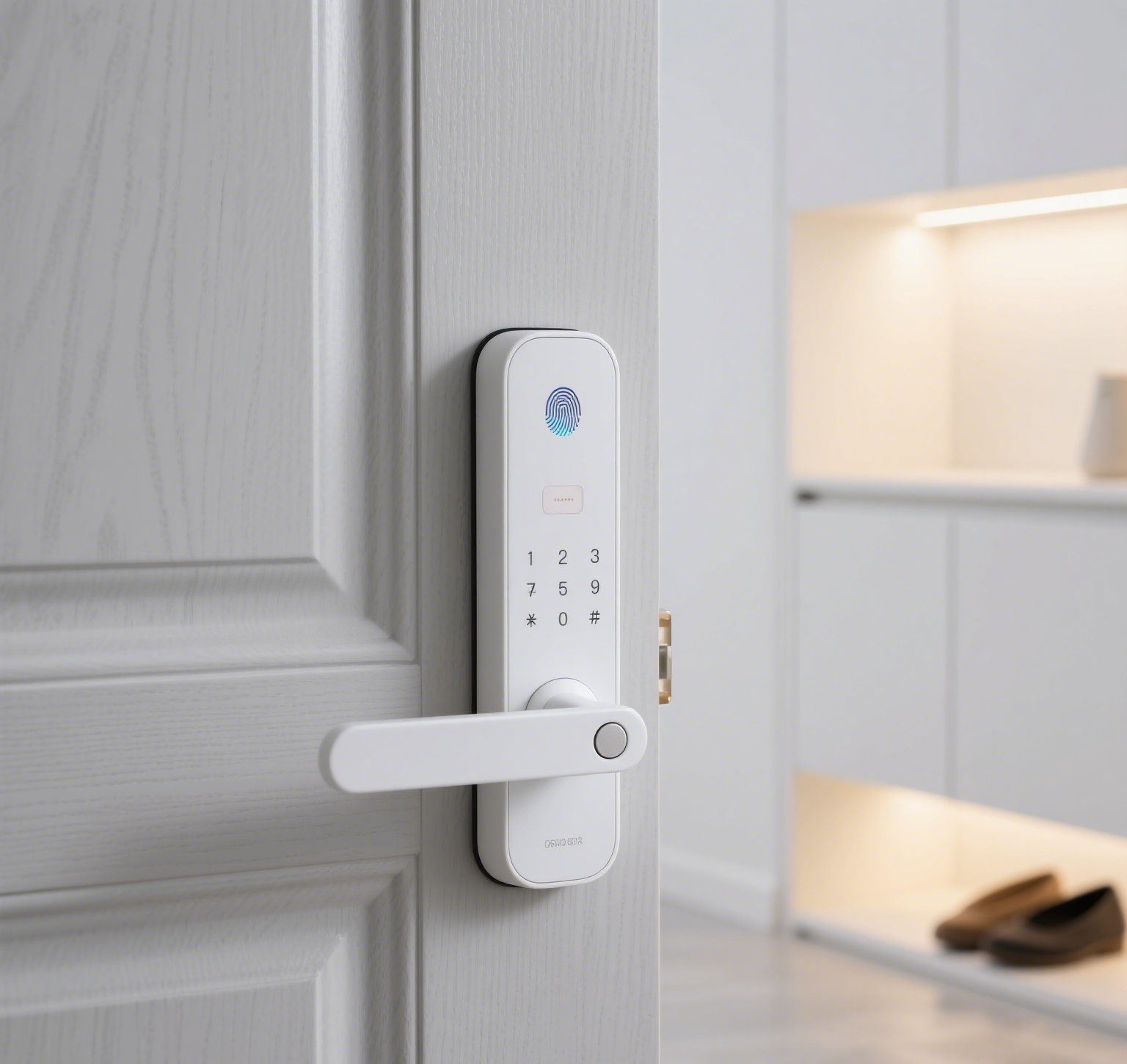
As technology continues to evolve, smart door locks are becoming increasingly popular. They provide a convenient and secure way to protect your home or business. However, many people wonder: Are these devices truly safe?
Understanding the security of a smart door lock is essential. After all, a lock is only as strong as its weakest point. While traditional locks rely on physical keys, smart locks often depend on digital technology, which can raise concerns about hacking or malfunctioning.
Smart door locks are designed to offer keyless entry, remote control, and enhanced security features. But as these devices gain popularity, it’s crucial to ask whether they can withstand modern security threats. Are they truly secure against cyber-attacks? How reliable are their encryption methods? These are some of the critical questions to consider when choosing a smart lock.
Many smart door locks, like the ones from Toptek, incorporate advanced encryption methods, such as AES 128-bit encryption. These measures ensure secure communication between the lock and your smartphone. However, it's important to remember that no system is entirely foolproof.
While smart locks offer several advantages, such as convenience and flexibility, their digital nature requires users to be proactive about security. Regular updates, strong passwords, and multi-factor authentication are essential to keep your smart door lock safe from potential threats.
The Basics of Smart Door Locks
What Is a Smart Door Lock?
A smart door lock is a modern, keyless way to secure your home or business. Unlike traditional locks, smart locks use digital technology, allowing you to lock and unlock doors without physical keys. Instead, they rely on wireless communication, such as Bluetooth, Wi-Fi, or biometric systems.
There are different types of smart locks, each offering unique features and benefits:
| Type of Smart Lock | Features |
| Bluetooth Smart Locks | Unlock the door when you’re nearby using Bluetooth. |
| Wi-Fi Smart Locks | Remote access via your home Wi-Fi network. |
| Biometric Smart Locks | Fingerprint or facial recognition for added security. |
Key features of smart door locks include:
Keyless Entry: No more worrying about losing your keys.
Mobile Apps: Control the lock from your smartphone, even when you're not at home.
Remote Access: Unlock your door remotely for guests, service workers, or deliveries.
How Do Smart Door Locks Work?
Smart door locks operate through various mechanisms, making them versatile and secure. Here's a breakdown of how they function:
| Mechanism | Description |
| Biometric Access | Fingerprint or facial recognition ensures only authorized users can unlock the door. |
| PIN Code | Users can set a personal code to unlock the door. |
| Smartphone App | You can unlock the door through a dedicated app on your phone. |
| Traditional Key Override | Provides a backup in case of technology failure. |
The technology behind these locks includes:
Wi-Fi: Allows remote access and monitoring through the internet.
Bluetooth: Used for short-range communication between the lock and your phone.
Z-Wave: A wireless protocol often used in smart home systems, enabling your smart lock to connect with other devices, like security cameras or lights.
Smart locks are designed to work seamlessly with modern technology, providing both convenience and security.
Key Features That Enhance Smart Door Lock Security
Encryption Technology
AES (Advanced Encryption Standard) is a widely used technology that protects the data between your smart door lock and its corresponding smartphone app. It ensures that your communication remains secure and prevents unauthorized access.
Top brands like Schlage and Toptek use AES 128-bit encryption to ensure that your personal data, such as PIN codes or access logs, is protected from hackers. This encryption is crucial, as it makes it difficult for anyone to intercept or alter the communication between the lock and your phone.
Multi-Factor Authentication
Multi-factor authentication (MFA) adds an extra layer of protection. Besides the PIN or smartphone app, smart locks may use additional methods such as:
| Method | Description |
| Fingerprint Scanning | A biometric method that guarantees only authorized individuals can unlock the door. |
| PIN Codes | Users can set a custom PIN to unlock the door. |
| Cards | Some smart locks offer card-based access for added security. |
MFA is vital for reducing the risk of hacking, as it ensures that a single compromised factor (like a password) isn't enough to break into your home.
Temporary Passwords and Activity Logs
Smart locks also support temporary passwords. These are ideal for allowing guests, contractors, or cleaners access to your property without giving them permanent entry codes. Temporary passwords can be set for specific times, ensuring control over who enters your home and when.
Activity logs track who enters and exits your home. These logs help you monitor any unusual activity and ensure you know who has accessed your home, even if you’re away.
Tamper and Forced Entry Alarms
Many smart locks, like those from Toptek, come equipped with built-in sensors that alert homeowners when someone is tampering with or attempting to force entry into the lock. This can help prevent break-ins, sending you a notification right on your phone when suspicious activity is detected.
Battery Backup and Emergency Power
One common concern with smart locks is what happens when the battery runs low. Most smart locks come with a battery backup feature, allowing you to keep the lock operational even if the batteries die.
In case of low battery, USB charging ports offer an emergency power option, ensuring you’re never locked out. For instance, Toptek’s smart locks include USB-C emergency power supply, ensuring you can still access your home even if the battery is low. These locks are designed to last 12-18 months, so you can count on them for extended periods of use without worrying about constant battery changes.
Common Concerns About the Safety of Smart Door Locks
Are Smart Locks Vulnerable to Hacking?
One of the main concerns people have about smart locks is whether they can be hacked. While any digital system can potentially be vulnerable, smart locks are designed with strong security measures to protect users.
A major risk is using weak passwords. If the password is simple or easy to guess, hackers might gain access. However, top brands like Toptek and Schlage employ AES 128-bit encryption, which helps secure the communication between the lock and your phone, making it much harder for attackers to intercept.
Regular firmware updates are crucial for keeping your smart lock secure. These updates address potential security flaws, so it’s important to keep your lock’s software up-to-date. Additionally, using strong, unique passwords is vital in preventing unauthorized access to your home.
What If the Power Goes Out?
Many smart locks are equipped with backup power options to ensure they function even during power failures. For example, many models include mechanical key overrides or battery backup systems, allowing you to unlock the door traditionally if the digital system fails.
Toptek locks offer USB-C emergency power to keep the lock operational in case the battery runs low. This feature ensures you won’t be locked out if your smart lock loses power unexpectedly.
Are Smart Door Locks as Secure as Traditional Locks?
When comparing smart locks to traditional mechanical locks, it’s important to consider both security and convenience. Traditional locks are simple, but they lack the high-tech security features of a smart lock, like encryption or remote access.
Smart locks offer more advanced security, including features like biometric access and temporary passwords. While mechanical locks might be harder to hack, they also lack the flexibility and convenience of smart locks.
Smart locks are tested for durability and reliability, with many brands like Toptek achieving ANSI/BHMA Grade 2 certification. For example, Toptek’s 590 lock can handle up to 400,000 cycles and 250,000 durability tests, proving that smart locks can be just as secure—if not more secure—than traditional locks.
How to Ensure the Safety of Your Smart Door Lock
Tips for Choosing a Secure Smart Lock
When selecting a smart door lock, it’s important to pick a trusted brand. Reliable companies like Toptek and Schlage offer advanced security features to keep your home safe.
Look for locks that include AES encryption and multi-factor authentication (MFA) for added protection. MFA requires two or more verification methods, such as a PIN and fingerprint scan, making unauthorized access much more difficult.
Also, check for industry certifications like ANSI/BHMA. These certifications ensure the lock meets high durability and security standards. For instance, Toptek’s Grade 2 ANSI/BHMA certification guarantees the lock can withstand 400,000 cycles, proving its reliability and strength.
Best Practices for Securing Your Smart Lock
To keep your smart door lock secure:
Regularly update passwords and firmware to protect against new threats.
Use strong, unique passwords. Avoid common ones like “123456” or “password”.
Enable temporary passwords for guests, contractors, or cleaners, ensuring they don’t have long-term access.
Install the lock correctly, following the manufacturer's guidelines. Improper installation can create vulnerabilities.
What to Do If Your Smart Lock Is Compromised?
If you suspect your smart lock has been compromised, take action quickly:
Change passwords immediately.
Reset the device to remove unauthorized access.
Contact customer support for assistance.
Use the Toptek app to check for firmware updates and enable notifications for security breaches.
Being proactive with security measures and following these steps can help protect your home and give you peace of mind.
Benefits of Smart Door Locks Beyond Security
Convenience
One of the biggest advantages of a smart door lock is the convenience it offers. With a smart lock, you no longer need to carry physical keys. Simply unlock the door using your smartphone. This is especially helpful when your hands are full or when you need to grant access quickly.
Additionally, many smart locks allow you to set scheduled locking and unlocking times. This feature is ideal for situations like Airbnb hosting, where you can automatically lock and unlock doors for guests. It’s also great for families with kids, ensuring the door locks at a set time, keeping everyone safe.
Integration with Smart Home Systems
Smart locks can easily integrate into your existing smart home system. Whether you use Alexa, Google Assistant, or Ring, smart locks work seamlessly with other devices. For example, you can lock or unlock your door using voice commands or even receive alerts when someone enters or exits.
Toptek smart locks integrate well with modern home automation systems, providing additional layers of security and convenience. For instance, you can link your Toptek lock to security cameras, lights, and alarms to create a fully connected and automated home.
Increased Property Value
Installing a smart door lock can also increase the value of your property. As more homebuyers look for smart home features, having a smart lock installed makes your home more attractive. It’s an easy upgrade that appeals to buyers who prioritize convenience and security.
The trend of home automation is growing, and property sales are increasingly influenced by these smart upgrades. Homebuyers see value in homes that offer smart technologies, including smart locks, as they offer a modern lifestyle that combines convenience, safety, and energy efficiency.
Case Studies and Real-Life Applications
Smart Locks in Residential Homes
Imagine a busy family with multiple people coming and going throughout the day. A smart door lock allows them to remotely grant access to their home, making life easier. For example, the family can provide house cleaners or guests temporary access by simply sending a digital key via their smartphone.
The parents can even track when the kids get home by reviewing activity logs through the lock’s app. With keyless entry, there’s no need to worry about losing keys or having spare ones made.
This type of security is both convenient and practical, offering peace of mind knowing that the door can be locked or unlocked remotely anytime.
Smart Locks for Businesses
Businesses, too, benefit from smart door locks. A case study of a company using smart locks for employee access shows how they can enhance both security and convenience. Employees can use PIN codes or even biometric scanning to enter the building, ensuring only authorized individuals can access secure areas.
In offices, apartments, and storefronts, smart locks streamline access management. Business owners can assign and revoke access remotely, providing flexibility and reducing the need for physical keys.
Toptek Commercial Use
Toptek smart locks are used in high-security commercial settings like hospitals and airports. These locks must withstand intense daily use while maintaining security standards. Toptek locks are certified to meet high durability standards, such as the ANSI/BHMA Grade 2 certification, making them a reliable option for environments that require top-notch security and long-lasting performance.
The Future of Smart Lock Security
Emerging Trends in Smart Lock Technology
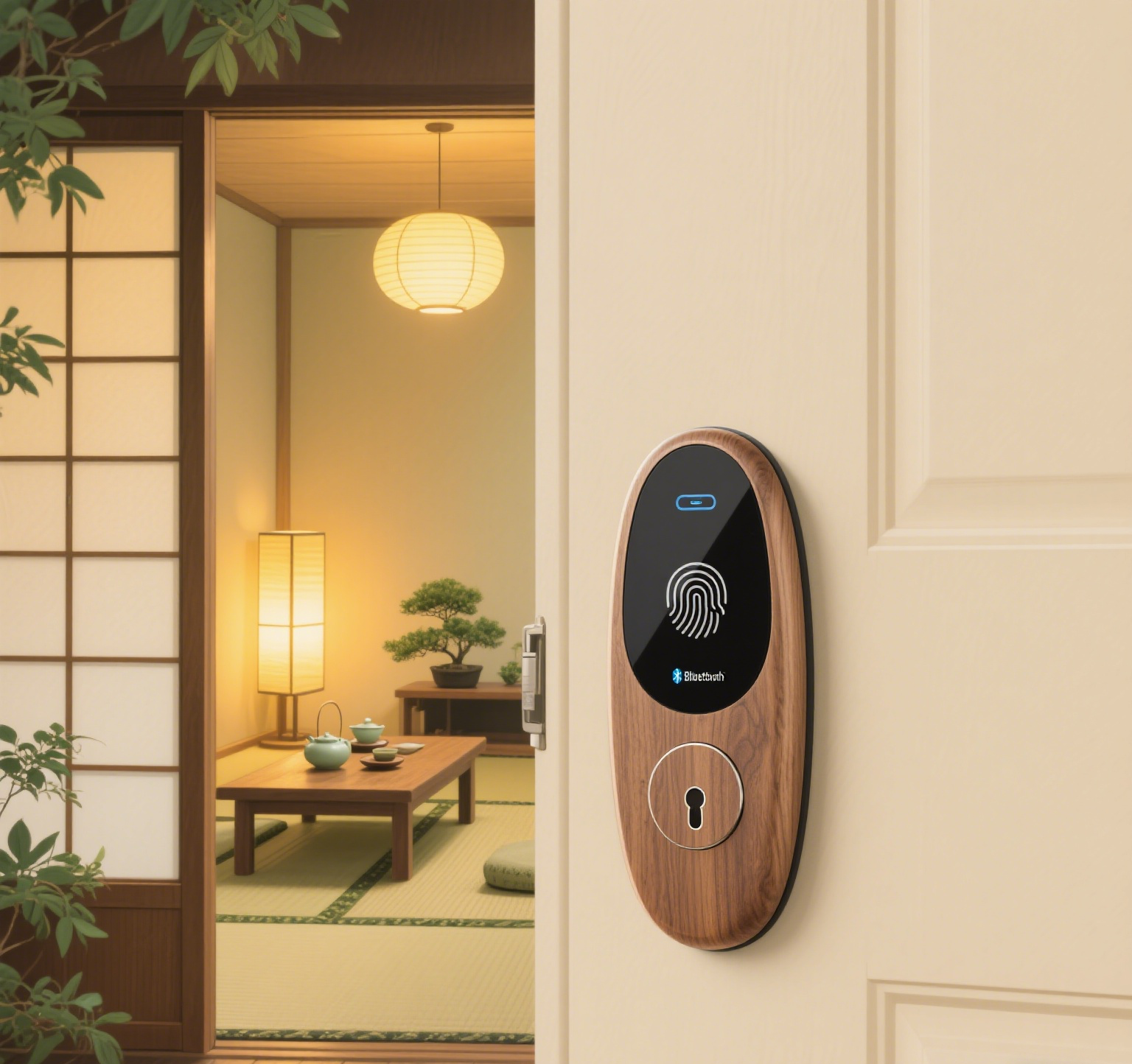
The future of smart door locks is exciting, with several emerging technologies that promise to enhance both security and convenience. Biometric authentication is becoming more advanced, allowing users to unlock their doors using fingerprints or even facial recognition. This technology adds an extra layer of security by ensuring only authorized users can gain access.
Voice-controlled locks are also gaining popularity. Imagine unlocking your door simply by saying a command to Alexa or Google Assistant. This hands-free access makes life easier, especially for people carrying groceries or with their hands full.
Looking ahead, artificial intelligence (AI) and machine learning will play a big role in smart lock security. These technologies will help locks become more adaptive, learning from user behavior to predict potential threats and provide better protection.
How Smart Locks Will Evolve to Combat New Threats
As smart locks become more integrated into our homes, the focus on encryption and tamper-proof technologies will grow stronger. The current encryption methods, such as AES 128-bit encryption, will likely evolve into even more robust systems, making it harder for hackers to intercept communications.
Additionally, anti-tamper technologies will improve, ensuring that smart locks are resistant to physical attacks like drilling or lock-picking. Future smart locks may even include sensors that detect tampering and immediately alert the homeowner or law enforcement.
As smart home devices become more widespread, manufacturers will continue to improve their systems to stay ahead of potential cyber threats. Innovations in encryption and secure communication protocols will ensure that smart door locks are safer and more reliable in the years to come.
Conclusion
Smart door locks offer great security and convenience with features like encryption and multi-factor authentication. When chosen wisely and maintained, they can be very secure.
Remember to look for trusted brands and use strong passwords to keep your home safe.
Consider investing in a smart lock for your home or business. Their advanced security features make them a worthwhile investment.
FAQs About Smart Door Locks
Are smart door locks safer than traditional locks?
Smart locks offer added security features, like encryption and biometric access, making them more secure than mechanical locks.
Can smart door locks be hacked?
While possible, strong passwords, encryption, and regular updates help protect smart locks from hacking attempts.
What happens if my smart door lock runs out of battery?
Many smart locks have backup power options, such as USB charging or mechanical key override, ensuring continued access.
Can I install a smart door lock myself?
Most smart locks are easy to install, but professional installation may be needed for more complex systems.
Are smart locks compatible with other smart home devices?
Yes, smart locks integrate easily with devices like Alexa, Google Assistant, and other home automation systems.

 English
 العربية
 Français
 Русский
 Español
 Português
 Deutsch
 italiano
 日本語
日本語 한국어
한국어 Nederlands
 Tiếng Việt
 ไทย
ไทย Polski
 Türkçe
 አማርኛ
አማርኛ ພາສາລາວ
 ភាសាខ្មែរ
 Bahasa Melayu
 ဗမာစာ
ဗမာစာ தமிழ்
தமிழ் Filipino
 Bahasa Indonesia
 magyar
 Română
 Čeština
 Монгол
 қазақ
қазақ Српски
 हिन्दी
 فارسی
فارسی Kiswahili
 Slovenčina
 Slovenščina
 Norsk
Norsk Svenska
 українська
 Ελληνικά
 Suomi
Suomi Հայերեն
 עברית
עברית Latine
 Dansk
Dansk اردو
اردو Shqip
Shqip বাংলা
বাংলা Hrvatski
 Afrikaans
 Gaeilge
 Eesti keel
 Māori
Māori සිංහල
සිංහල नेपाली
 Oʻzbekcha
 latviešu
 অসমীয়া
 Aymara
 Azərbaycan dili
 Bamanankan
 Euskara
 Беларуская мова
 भोजपुरी
 Bosanski
 Български
 Català
 Cebuano
 Corsu
Corsu ދިވެހި
 डोग्रिड ने दी
 Esperanto
 Eʋegbe
 Frysk
Frysk Galego
 ქართული
 guarani
 ગુજરાતી
 Kreyòl ayisyen
 Hausa
Hausa ʻŌlelo Hawaiʻi
 Hmoob
Hmoob íslenska
 Igbo
Igbo Ilocano
 Basa Jawa
 ಕನ್ನಡ
ಕನ್ನಡ Kinyarwanda
 गोंगेन हें नांव
 Krio we dɛn kɔl Krio
 Kurdî
Kurdî Kurdî
Kurdî Кыргызча
 Lingala
 Lietuvių
 Oluganda
 Lëtzebuergesch
 Македонски
 मैथिली
 Malagasy
 മലയാളം
 Malti
Malti मराठी
मराठी ꯃꯦꯇꯥꯏ (ꯃꯅꯤꯄꯨꯔꯤ) ꯴.
 Mizo tawng
 Chichewa
 ଓଡ଼ିଆ
ଓଡ଼ିଆ Afaan Oromoo
 پښتو
پښتو ਪੰਜਾਬੀ
 Runasimi
 Gagana Samoa
 संस्कृत
 Gaelo Albannach
 Sepeti
 Sesotho
 chiShona
 سنڌي
سنڌي Soomaali
 Basa Sunda
 Wikang Tagalog
 Тоҷикӣ
 Татарча
 తెలుగు
 ትግንያውያን
 Xitsonga
 Türkmençe
 संस्कृत
 ئۇيغۇرچە
 Cymraeg
 isiXhosa
 ייִדיש
 Yorùbá
 isiZulu