Keyless door locks are becoming more popular as a modern security solution. But, are they truly safe from break-ins? Many worry that these high-tech locks could be hacked or tampered with.
In this post, we'll explore how keyless locks work, the potential risks they face, and the security features that protect them. You'll learn what makes these locks vulnerable and how they stand up to modern threats.
Understanding Keyless Door Locks
What Are Keyless Door Locks and How Do They Work?
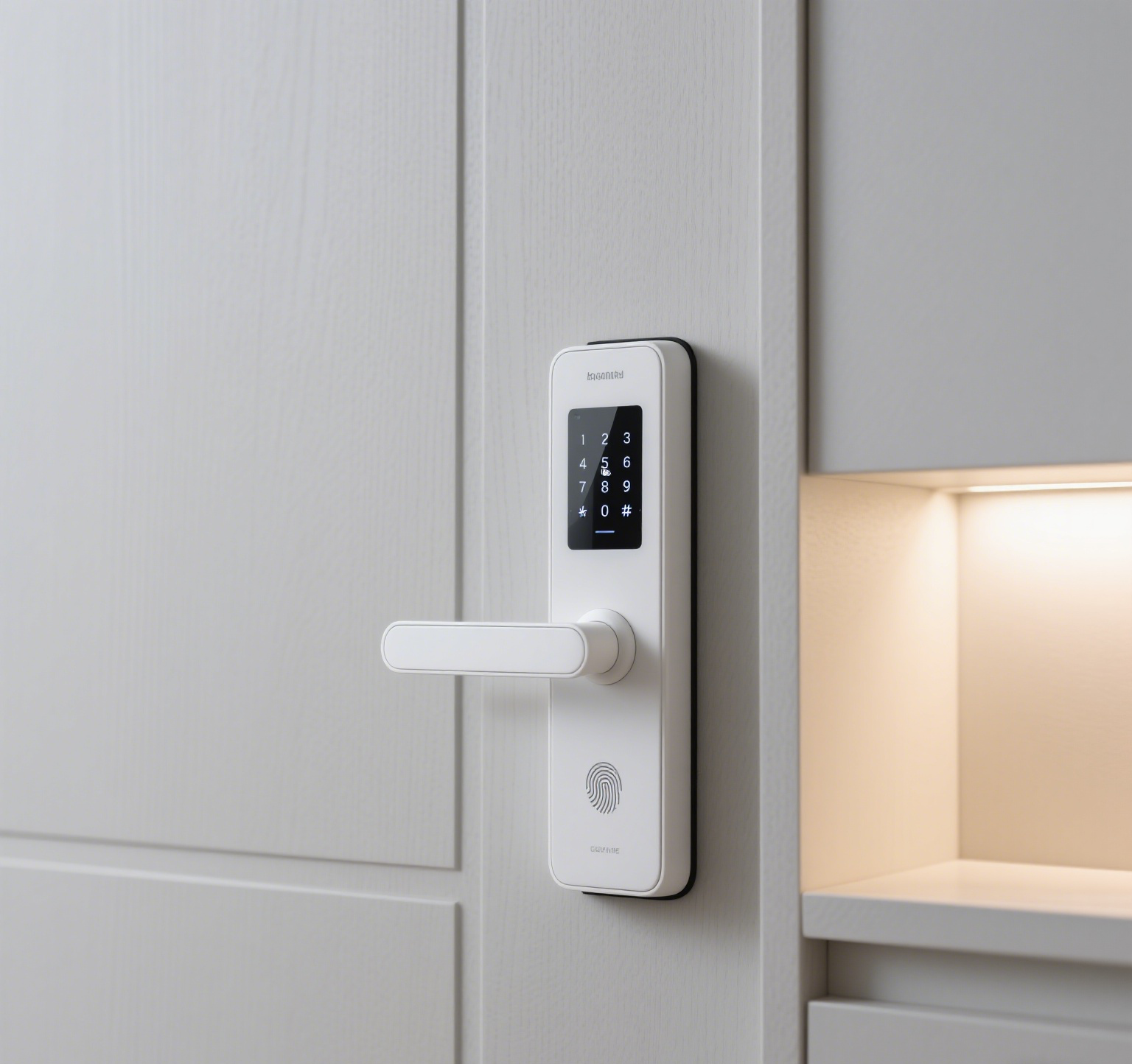
Keyless door locks use modern technology to provide secure and convenient access. They operate without traditional keys, using methods like RFID, biometric identification, keypad codes, or Bluetooth to unlock doors. This advanced technology relies on encryption and wireless communication to protect your home or business.
Compared to traditional locks, keyless door locks offer a higher level of convenience. Instead of fumbling for keys, you can use your fingerprint, face, or smartphone to gain access. These features eliminate the risk of losing keys, making life easier.
Types of Keyless Door Locks
| Type | Description |
| Biometric Keyless Locks | Use fingerprint or facial recognition to grant access. Only registered individuals can unlock. |
| Bluetooth and Wi-Fi Enabled Keyless Locks | Unlock your door from your phone via Bluetooth or Wi-Fi. Requires a mobile app. |
| Keypad and Touchpad Keyless Locks | Users enter a PIN code on a keypad or touchpad for quick access. |
| Smart Keyless Locks | Integrates with home automation systems for control via mobile apps or voice commands. |
Toptek’s Keyless Locks and Features
Toptek’s keyless locks offer advanced security features. They use multi-factor authentication, including fingerprints, 3D facial recognition, PINs, and even backup mechanical keys. Encryption technology ensures that data exchanged between the lock and mobile device is secure. Anti-pick designs further protect against physical tampering, while the backup power systems provide reliability in case of battery failure.
Can Keyless Door Locks Be Broken Into?
Are Keyless Door Locks Really Secure?
Many people worry about the security of keyless door locks. They ask if it's possible for hackers to bypass them or tamper with their systems. The main concern often lies in how easily someone can gain unauthorized access.
Keyless locks are different from traditional ones, which rely on physical keys. While traditional locks may be vulnerable to picking or forced entry, keyless locks face digital threats, such as hacking or signal interception. These vulnerabilities raise concerns about the safety of relying solely on technology.
However, brands like Toptek have worked hard to address these concerns. Toptek's keyless locks use military-grade materials and meet the EN12209 certification, ensuring that they are not easily tampered with. This gives users peace of mind knowing their homes are protected by high-quality security features.
What Are the Potential Risks of Keyless Door Locks?
Technical Vulnerabilities
Password Cracking and Guessing
One major risk is using weak or default passwords. Hackers can easily guess these or use brute-force methods to crack the code. It's essential to use strong, unique codes to avoid this vulnerability.
Bluetooth Hacking and Signal Interception
Keyless locks that use Bluetooth or Wi-Fi connections can be vulnerable to hacking. Attackers may intercept signals sent between the lock and the user’s device. Toptek offers a solution with its custom encryption protocol, which prevents these types of attacks and keeps communications secure.
Firmware or Software Vulnerabilities
Outdated software or firmware can also pose a risk. If a keyless lock's software isn't regularly updated, hackers may exploit these gaps to gain access. It’s important to keep your keyless lock’s firmware up to date to protect against potential threats.
Physical Vulnerabilities
Lock Bypassing Techniques (e.g., Picking, Tampering)
While keyless locks are typically more resistant to physical tampering than traditional locks, they are not immune. Some attackers may use tools to physically bypass or tamper with the lock body. High-quality keyless locks, like Toptek’s, incorporate robust designs and anti-pick features to prevent this.
Bypassing through Backup or Emergency Methods
Another risk is using backup methods, like mechanical keys. If someone gains access to these emergency methods, they may unlock the door without being detected. Toptek’s keyless locks include additional layers of security, such as encrypted backup options, ensuring that unauthorized access is minimized.
How Secure Are Keyless Locks from Physical and Technical Break-ins?
Security Features That Make Keyless Door Locks Harder to Break Into
Multi-factor Authentication
Keyless locks offer strong protection through multiple layers of security. These include biometrics like fingerprints and facial recognition, along with PIN codes. Using more than one method significantly reduces the chances of unauthorized access.
Advanced Encryption Protocols
Encryption is vital for securing the data exchanged between a keyless lock and a smartphone or other device. Bluetooth and Wi-Fi protocols help prevent hackers from intercepting signals. Toptek goes a step further by using Bluetooth 4.1 and custom encryption to ensure that data is secure and free from interception.
Anti-Tampering and Anti-Picking Features
Physical security is just as important. High-quality keyless locks are built with tamper-resistant designs, such as reinforced lock bodies. Toptek’s locks feature anti-pick mechanisms, including mechanical lock holes with tamper-resistant pins, making it much harder to bypass them physically.
Backup Power Systems and Mechanical Override Keys
Power failure is another concern for electronic locks. Toptek’s keyless locks include a dual power supply system, which ensures that the lock will function even if the primary power source fails. Additionally, mechanical override keys act as a backup to ensure access in emergencies.
How Do Keyless Door Locks Compare to Traditional Locks in Terms of Security?
Durability and Anti-Tampering of Keyless vs. Traditional Locks
| Feature | Traditional Locks | Keyless Locks |
| Durability | Vulnerable to picking and force | Built with high-quality materials for better durability |
| Protection Against Break-In | Can be bypassed with simple tools | Enhanced with encryption, biometrics, and anti-tampering features |
Protection Against Common Break-In Techniques
Traditional locks can often be picked or bypassed with simple tools. Keyless locks, however, rely on encryption, biometrics, and strong physical security features, making it much harder for intruders to break in. Toptek’s locks are equipped with enhanced security features, including anti-pick and anti-tampering measures, reducing the likelihood of a successful break-in.
Real-Life Examples of Keyless Door Lock Failures
Are There Real-World Cases of Keyless Door Locks Being Broken Into?
While keyless door locks offer strong security, they aren't entirely immune to hacking. High-profile incidents have shown vulnerabilities, especially in early smart lock models. In some cases, hackers were able to exploit flaws in the Bluetooth or Wi-Fi connections to bypass security systems.
For instance, researchers discovered weaknesses in a popular smart lock's Bluetooth protocol, allowing attackers to unlock doors without the correct codes. This raised concerns about the overall reliability of keyless locks. However, brands like Toptek have taken steps to improve these security features.
Toptek puts its products to the test. Its locks undergo rigorous 10,000-cycle tests, demonstrating high durability even under harsh conditions, such as humidity levels between 10%-95%. These tests show that Toptek’s keyless locks maintain their integrity and function, even in challenging environments, proving they can withstand everyday wear and tear.
What Can We Learn from These Incidents?
These incidents highlight the importance of strong encryption and regular software updates. Manufacturers have responded by enhancing security features like multi-factor authentication, custom encryption protocols, and anti-tampering designs to protect against attacks.
For users, it's crucial to follow best practices when securing keyless locks. This includes using strong, unique passwords, regularly updating software, and choosing locks from trusted brands like Toptek that undergo rigorous testing. Implementing additional security measures, such as multi-factor authentication, can further reduce the risk of unauthorized access.
How to Protect Your Home with Keyless Door Locks
Best Practices to Enhance the Security of Keyless Door Locks
Choosing a High-Quality, Certified Keyless Lock
When buying a keyless lock, always choose one that has security certifications like EN12209 or ANSI. These certifications ensure that the lock meets strict security standards. Toptek’s keyless locks are certified for high safety, offering multi-layer protection and reliability. Choosing a trusted brand like Toptek gives you peace of mind that the lock will provide strong protection.
Regularly Update Firmware and Security Settings
It's crucial to keep your keyless locks updated. Manufacturers regularly release firmware updates to patch security vulnerabilities. Make sure to install the latest updates to keep your system secure. Ignoring updates could expose your lock to potential risks.
Use Strong, Unique Passcodes and Biometrics
A strong, unique passcode significantly improves your lock’s security. Avoid using easily guessed codes like “1234” or “0000”. Biometric options, like fingerprints and facial recognition, offer added protection. These methods are harder to hack, making it more difficult for intruders to gain access.
Consider Locks with Backup Power and Mechanical Keys
What if your keyless lock runs out of battery or fails? Choose a lock that offers backup power or a mechanical key override. These features ensure that you can still access your home during power failures or technical issues. Toptek’s locks include dual power supply options and mechanical key backups to prevent lockouts.
How to Choose the Right Keyless Door Lock for Maximum Security
Look for Multi-Layered Security Features
Opt for a keyless door lock that combines multiple security layers, like PIN codes, biometrics, and backup mechanical keys. These added layers make it much harder for unauthorized users to break in.
Look for High-Quality, Tamper-Proof Materials
The materials used in a lock's construction matter. Locks made from high-quality, tamper-proof materials are more secure. For example, Toptek’s locks use military-grade 304 stainless steel and aluminum alloy for their durability. These materials are resistant to tampering and physical damage, providing superior protection against break-ins.
Can Keyless Door Locks Be Broken Into? Final Thoughts
Keyless door locks offer great security, but there are risks like hacking or physical tampering. However, using multi-layer security features, regular updates, and choosing high-quality locks can minimize these risks.
Are Keyless Locks Worth It?
Keyless locks offer convenience and advanced features. They provide better security than traditional locks, but come with potential vulnerabilities.
Is the Convenience of Keyless Access Worth the Risk?
The convenience of keyless access is undeniable, but it’s important to balance it with strong security measures to reduce risks.

 English
 العربية
 Français
 Русский
 Español
 Português
 Deutsch
 italiano
 日本語
日本語 한국어
한국어 Nederlands
 Tiếng Việt
 ไทย
ไทย Polski
 Türkçe
 አማርኛ
አማርኛ ພາສາລາວ
 ភាសាខ្មែរ
 Bahasa Melayu
 ဗမာစာ
ဗမာစာ தமிழ்
தமிழ் Filipino
 Bahasa Indonesia
 magyar
 Română
 Čeština
 Монгол
 қазақ
қазақ Српски
 हिन्दी
 فارسی
فارسی Kiswahili
 Slovenčina
 Slovenščina
 Norsk
Norsk Svenska
 українська
 Ελληνικά
 Suomi
Suomi Հայերեն
 עברית
עברית Latine
 Dansk
Dansk اردو
اردو Shqip
Shqip বাংলা
বাংলা Hrvatski
 Afrikaans
 Gaeilge
 Eesti keel
 Māori
Māori සිංහල
සිංහල नेपाली
 Oʻzbekcha
 latviešu
 অসমীয়া
 Aymara
 Azərbaycan dili
 Bamanankan
 Euskara
 Беларуская мова
 भोजपुरी
 Bosanski
 Български
 Català
 Cebuano
 Corsu
Corsu ދިވެހި
 डोग्रिड ने दी
 Esperanto
 Eʋegbe
 Frysk
Frysk Galego
 ქართული
 guarani
 ગુજરાતી
 Kreyòl ayisyen
 Hausa
Hausa ʻŌlelo Hawaiʻi
 Hmoob
Hmoob íslenska
 Igbo
Igbo Ilocano
 Basa Jawa
 ಕನ್ನಡ
ಕನ್ನಡ Kinyarwanda
 गोंगेन हें नांव
 Krio we dɛn kɔl Krio
 Kurdî
Kurdî Kurdî
Kurdî Кыргызча
 Lingala
 Lietuvių
 Oluganda
 Lëtzebuergesch
 Македонски
 मैथिली
 Malagasy
 മലയാളം
 Malti
Malti मराठी
मराठी ꯃꯦꯇꯥꯏ (ꯃꯅꯤꯄꯨꯔꯤ) ꯴.
 Mizo tawng
 Chichewa
 ଓଡ଼ିଆ
ଓଡ଼ିଆ Afaan Oromoo
 پښتو
پښتو ਪੰਜਾਬੀ
 Runasimi
 Gagana Samoa
 संस्कृत
 Gaelo Albannach
 Sepeti
 Sesotho
 chiShona
 سنڌي
سنڌي Soomaali
 Basa Sunda
 Wikang Tagalog
 Тоҷикӣ
 Татарча
 తెలుగు
 ትግንያውያን
 Xitsonga
 Türkmençe
 संस्कृत
 ئۇيغۇرچە
 Cymraeg
 isiXhosa
 ייִדיש
 Yorùbá
 isiZulu