Are you sure your business is using the best security system? Choosing the right electric strike could be the key to keeping your doors safe and secure.
An electric strike is crucial for controlling access and protecting your business. Selecting the wrong one can lead to security gaps and unnecessary costs.
In this post, you’ll learn why choosing the right electric strike matters and how to select the perfect one for your needs.
Understanding Electric Strikes
What Exactly is an Electric Strike?
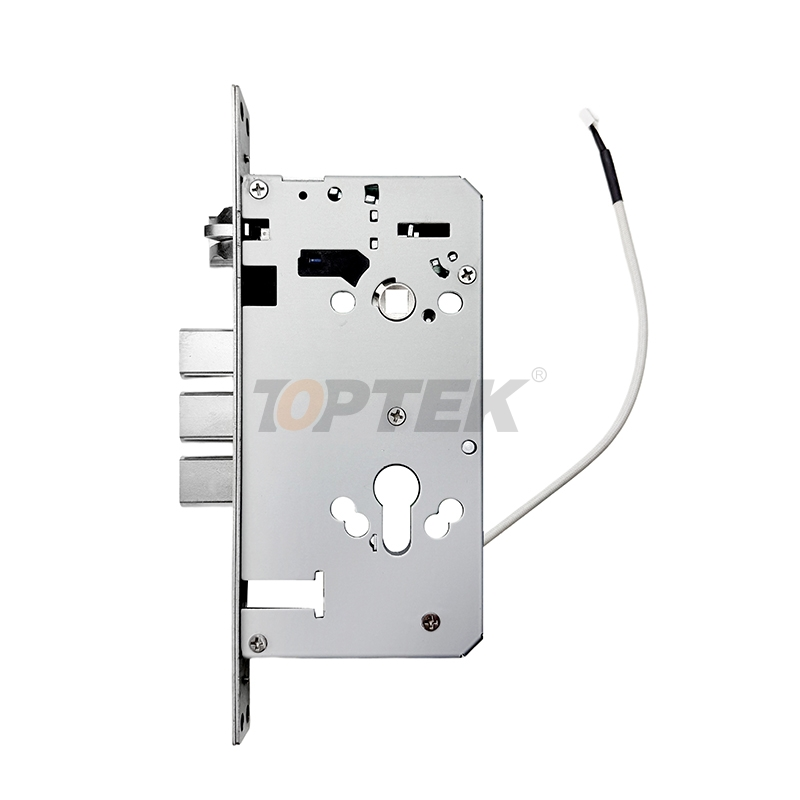
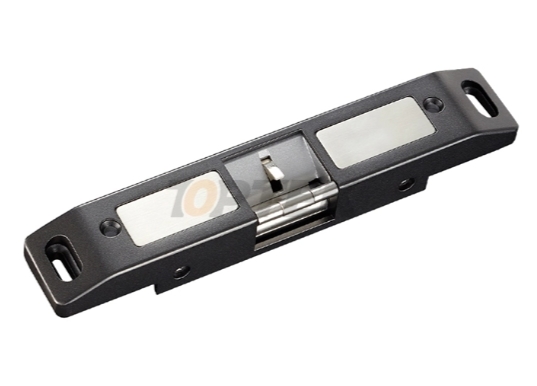
An electric strike is an electronic locking mechanism designed to replace traditional mechanical strike plates. It works with electric locks to control access to doors, allowing for keyless entry and enhanced security. When a valid signal is received, the strike releases, allowing the door to open.
Types of Electric Strikes
There are several types of electric strikes, each designed for specific applications:
| Type | Description | Common Use Cases |
| Fail-Secure | Locks when power is lost, ensuring security. | High-security areas (e.g., data centers) |
| Fail-Safe | Unlocks when power is lost, ideal for emergencies. | Fire exits, emergency exits |
| Surface-Mounted | Mounted on the door frame, simple installation. | Easy setup for various applications |
| Mortise | Installed within the door frame, secure and aesthetic. | Secure areas, aesthetic setups |
Fail-Secure vs. Fail-Safe
The difference between fail-secure and fail-safe strikes is important, especially in critical environments.
| Type | Characteristics | Common Use Cases |
| Fail-Secure | Remains locked when power is lost. | Data centers, banks, government buildings |
| Fail-Safe | Unlocks when power is lost, allowing for quick exit. | Fire exits, emergency exits |
Key Features of Electric Strikes
Voltage and Power Consumption
Electric strikes come in different voltage options—12V or 24V. It's essential to match the voltage of the electric strike with your current access control system to avoid compatibility issues.
| Model | Voltage (V) | Power Consumption |
| TKESPB | 12V / 24V | 320mA (12V) / 160mA (24V) |
Durability and Lifespan
The durability of an electric strike impacts its long-term reliability and maintenance costs.
| Model | Solenoid Lifespan | Ideal Usage |
| TKESPB | 500,000 cycles | High-traffic areas, frequent use |
Common Applications of Electric Strikes
High-Security Areas
Electric strikes are ideal for securing sensitive locations such as:
Data Centers
Banks
Government Buildings
These environments require high-impact resistance and security, which is why models with 500kg static strength are commonly used.
Emergency Exits
In emergency exit scenarios, electric strikes are critical for ensuring safety. Models like the TKESPB meet the EN14846 fire safety certification, ensuring they comply with standards for emergency access.
Commercial Buildings
Electric strikes are widely used in office buildings, schools, hospitals, and factories. They provide reliable access control while maintaining security standards for large facilities.
Factors to Consider When Choosing an Electric Strike
1. Business Requirements
Determine the Specific Need
Assessing your security needs is the first step. Consider your business type, the level of foot traffic, and potential threats. A busy office may need different security than a high-risk location like a bank. Understanding your specific security needs helps in choosing the right electric strike for the job.
Scenario-Based Selection
Choose the electric strike based on different scenarios:
| Scenario | Type of Electric Strike |
| Emergency Exits | Fail-safe |
| High-Security Areas | Fail-secure |
| Routine Office Access | Standard electric strike |
2. Key Specifications
Voltage Compatibility
Matching voltage is crucial to avoid system malfunctions. Electric strikes typically come in 12V or 24V options. Ensure the voltage of your strike matches your existing system to prevent damage or failure.
Power Consumption
Electric strikes with low power consumption are ideal for businesses relying on battery backup or those aiming for energy savings. For example, the TKESPB model operates at 12V (320mA) and 24V (160mA), offering flexibility for various energy needs.
Environmental Adaptability
Electric strikes must be durable enough to handle environmental factors such as temperature, humidity, and corrosion.
| Feature | Example |
| Temperature Resistance | TKESPB operates in -10°C to +55°C |
| Corrosion Resistance | Zinc alloy casing for humid/coastal environments |
3. Compliance and Certifications
Understanding EN14846 and Other Industry Standards
Certification is important to ensure your electric strike meets safety and compliance standards. EN14846 is a key standard for fire exits and emergency safety. Using a certified electric strike, like the TKESPB, ensures compliance with these essential regulations.
Electromagnetic Interference (EMI)
In areas where high-frequency equipment like motors or radar systems are used, electromagnetic shielding is critical. The TKESPB model is designed to protect against electromagnetic interference, preventing disruptions in its functionality.
Electrical Interference and Electromagnetic Compatibility
Make sure your electric strike has proper electromagnetic compatibility (EMC). This feature is essential to protect the device from interference caused by other electrical systems in the vicinity.
4. Durability and Maintenance
Lifecycle of Solenoids and Electric Strikes
The lifespan of an electric strike is important for long-term cost savings. The TKESPB offers a 500,000-cycle solenoid lifespan, significantly longer than the industry standard of 300,000 cycles. Choosing a longer-lasting model can reduce the frequency of replacements.
| Model | Solenoid Lifespan | Usage |
| TKESPB | 500,000 cycles | High-traffic, frequent use |
Maintenance Requirements and Fault Monitoring
Regular maintenance helps ensure the longevity of your electric strike. Built-in monitoring features, like those in the TKESPB model, allow real-time diagnostics. These features help identify issues such as overheating or latch misalignment, reducing downtime and maintenance costs.
How to Choose the Right Electric Strike for Your Business
1. Determine Your Business Needs and Security Risks
Emergency Exit Requirements
When selecting an electric strike for emergency exits, ensure it complies with fire safety regulations. A fail-safe model is ideal for these situations, as it unlocks quickly when power is lost, allowing for easy evacuation. Make sure the strike meets standards like EN14846, which certifies the product for use in fire exit scenarios.
High-Traffic and High-Security Zones
For areas with high foot traffic or critical security needs, choose electric strikes designed for durability. Look for models with high static strength, such as those offering 500kg impact resistance. This ensures they can withstand attempts to tamper with or force open the door. These strikes are typically used in sensitive areas like data centers or banks.
2. Installation Considerations
Installation Complexity
Consider the ease of installation when selecting an electric strike. Some models are easier to install, reducing the time and cost associated with setup. For example, the TKESPB model is designed for quick and easy installation, even on narrow door frames. This helps minimize installation costs and ensures a faster operational setup.
Door Compatibility
The electric strike must fit your door's frame type, whether it's narrow or standard-sized. Some strikes, like the TKESPB, are specifically designed to fit narrow frames (230Lx40.5Wx30H mm) and come with accessories like stainless steel screws and a dustproof box. These features make it easier to install and reduce costs during setup.
3. Cost vs. Benefits
Upfront Cost vs. Long-Term Durability
When comparing electric strikes, balance the upfront cost against the long-term benefits. A higher initial investment may save you money in the long run due to fewer replacements and lower maintenance costs. Durability is a crucial factor; for instance, the TKESPB model offers a 500,000-cycle solenoid lifespan, making it a more cost-effective choice over time.
Why Investing in a Durable Electric Strike Saves Money
Investing in high-quality electric strikes made from durable materials pays off in the long term. The higher upfront cost is often justified by the reduction in replacement and maintenance needs. For example, the TKESPB model, with its long solenoid lifecycle, reduces downtime and maintenance calls, ensuring greater value for your business.
Common Mistakes When Choosing an Electric Strike
1. Choosing the Wrong Voltage
Impact of Incorrect Voltage on Your System
One of the most common mistakes is choosing the wrong voltage for your electric strike. If the voltage doesn’t match your system, it can cause the strike to malfunction or even damage your access control system. For example, using a 12V electric strike with a 24V system can lead to overheating and system failure, leading to unnecessary repair costs.
2. Overlooking Compliance Requirements
Why Compliance with Safety Standards Matters
Ignoring compliance requirements can lead to costly consequences. Certifications like EN14846 are crucial for ensuring the electric strike meets fire safety and building regulations. Using a non-compliant model can result in failed safety inspections, fines, or the need for costly replacements. Always verify that your electric strike has the necessary certifications for your business needs.
3. Failing to Consider Environmental Factors
How Climate and Location Affect Electric Strikes
Environmental factors such as extreme temperatures and humidity can significantly impact the performance of electric strikes. If the strike isn’t suited for these conditions, it can deteriorate more quickly.
| Feature | Example |
| Corrosion Resistance | Zinc alloy casing for humid/coastal environments |
Conclusion
Final Tips for Choosing the Best Electric Strike
When selecting an electric strike, consider security, compliance, durability, and easy installation. Ensure it meets safety standards and fits your specific needs.
Why Quality Electric Strikes Are an Investment in Security
Investing in a high-quality electric strike pays off in the long run. It ensures better security, fewer replacements, and lower maintenance costs.
FAQ
Q: What is the difference between fail-safe and fail-secure electric strikes?
A: Fail-safe electric strikes unlock when power is lost, while fail-secure models stay locked until power is restored, making them more suitable for high-security areas.
Q: How do I ensure my electric strike complies with fire safety regulations?
A: Look for electric strikes certified with EN14846, which ensures they meet the required standards for emergency exits and fire safety.
Q: Can I install an electric strike myself?
A: While some electric strikes are designed for easy installation, it's recommended to consult a professional, especially if wiring or compatibility issues arise.
Q: What should I do if my electric strike is malfunctioning?
A: Check the wiring, voltage supply, and ensure there are no obstructions. Many electric strikes have built-in diagnostic features for troubleshooting.
Q: How do I know if my electric strike is suitable for outdoor use?
A: Ensure the electric strike is weather-resistant, has a corrosion-resistant coating, and is designed to handle extreme temperatures and humidity levels.

 English
 العربية
 Français
 Русский
 Español
 Português
 Deutsch
 italiano
 日本語
日本語 한국어
한국어 Nederlands
 Tiếng Việt
 ไทย
ไทย Polski
 Türkçe
 አማርኛ
አማርኛ ພາສາລາວ
 ភាសាខ្មែរ
 Bahasa Melayu
 ဗမာစာ
ဗမာစာ தமிழ்
தமிழ் Filipino
 Bahasa Indonesia
 magyar
 Română
 Čeština
 Монгол
 қазақ
қазақ Српски
 हिन्दी
 فارسی
فارسی Kiswahili
 Slovenčina
 Slovenščina
 Norsk
Norsk Svenska
 українська
 Ελληνικά
 Suomi
Suomi Հայերեն
 עברית
עברית Latine
 Dansk
Dansk اردو
اردو Shqip
Shqip বাংলা
বাংলা Hrvatski
 Afrikaans
 Gaeilge
 Eesti keel
 Māori
Māori සිංහල
සිංහල नेपाली
 Oʻzbekcha
 latviešu
 অসমীয়া
 Aymara
 Azərbaycan dili
 Bamanankan
 Euskara
 Беларуская мова
 भोजपुरी
 Bosanski
 Български
 Català
 Cebuano
 Corsu
Corsu ދިވެހި
 डोग्रिड ने दी
 Esperanto
 Eʋegbe
 Frysk
Frysk Galego
 ქართული
 guarani
 ગુજરાતી
 Kreyòl ayisyen
 Hausa
Hausa ʻŌlelo Hawaiʻi
 Hmoob
Hmoob íslenska
 Igbo
Igbo Ilocano
 Basa Jawa
 ಕನ್ನಡ
ಕನ್ನಡ Kinyarwanda
 गोंगेन हें नांव
 Krio we dɛn kɔl Krio
 Kurdî
Kurdî Kurdî
Kurdî Кыргызча
 Lingala
 Lietuvių
 Oluganda
 Lëtzebuergesch
 Македонски
 मैथिली
 Malagasy
 മലയാളം
 Malti
Malti मराठी
मराठी ꯃꯦꯇꯥꯏ (ꯃꯅꯤꯄꯨꯔꯤ) ꯴.
 Mizo tawng
 Chichewa
 ଓଡ଼ିଆ
ଓଡ଼ିଆ Afaan Oromoo
 پښتو
پښتو ਪੰਜਾਬੀ
 Runasimi
 Gagana Samoa
 संस्कृत
 Gaelo Albannach
 Sepeti
 Sesotho
 chiShona
 سنڌي
سنڌي Soomaali
 Basa Sunda
 Wikang Tagalog
 Тоҷикӣ
 Татарча
 తెలుగు
 ትግንያውያን
 Xitsonga
 Türkmençe
 संस्कृत
 ئۇيغۇرچە
 Cymraeg
 isiXhosa
 ייִדיש
 Yorùbá
 isiZulu