You are here:Home » News » Do You Think A Mortise Smart Lock for Your Front Door Is Safe?
Do You Think A Mortise Smart Lock for Your Front Door Is Safe?
Views: 0 Author: Site Editor Publish Time: 2025-06-03 Origin: Site
Is your front door truly secure? With the rise of smart technology, mortise smart locks are becoming an increasingly popular choice for homeowners. But are they as safe as they seem? Your front door is the most common point of entry for intruders, making its security vital. In this post, we’ll examine whether a mortise smart lock is the right choice for securing your front door and how safe they really are.
Understanding Mortise Smart Locks
A mortise lock is a type of lock that fits into a pocket (or mortise) cut into the door itself. Unlike a traditional cylinder lock, which uses a key to engage pins inside the lock, mortise locks are more robust and complex, offering better security.
How Mortise Locks Combine Mechanical and Electronic Components
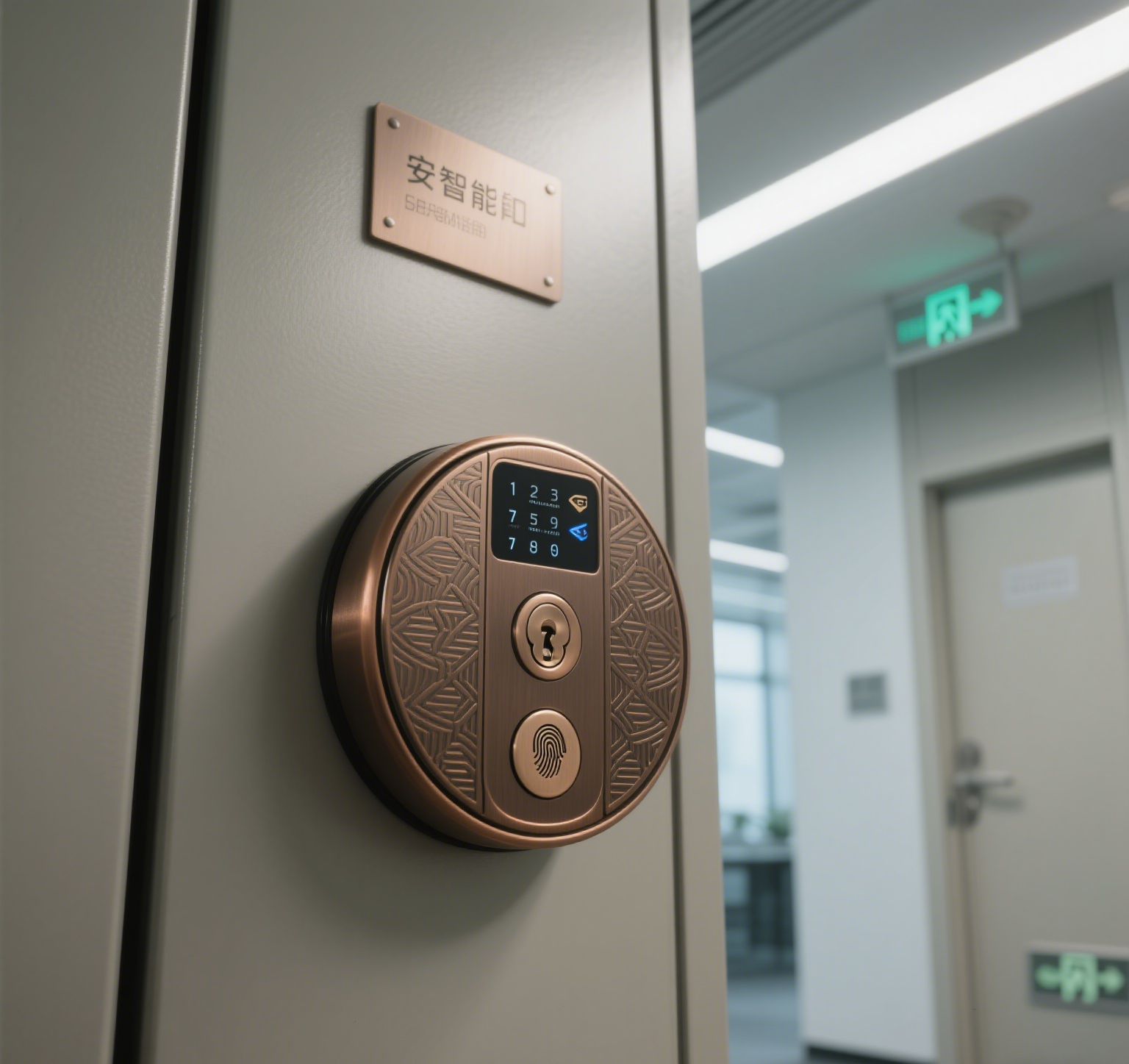
A mortise smart lock combines traditional mechanical locking mechanisms with advanced electronic features. This hybrid design enhances security by providing both physical and digital layers of protection.
Features of a Mortise Smart Lock
Electronic Control: Mortise smart locks are controlled electronically, often through apps or keypads, eliminating the need for physical keys.
Remote Management: Many models allow you to manage the lock remotely. You can lock or unlock the door from anywhere, making it convenient and secure.
Keyless Access: Say goodbye to keys! Instead, you can unlock the door using smartphones, fingerprint recognition, or PIN codes.
Advantages Over Other Types of Locks
Better Durability: Mortise locks are built to last longer, making them more resistant to wear and tear.
Enhanced Security: The combination of mechanical and digital features offers higher resistance against tampering and break-ins compared to traditional locks.
Lock Type Comparison Table
Feature
Traditional Cylinder Lock
Mortise Smart Lock
Structural Strength
Medium
High (metal housing)
Fire Resistance
Rare
Up to 3 hours (UL rated)
Remote Control
No
Yes (via app)
Biometric Access
No
Yes (fingerprint/face)
Encryption
None
AES 128-bit
Real-time Alerts
No
Yes
Auto-lock Feature
No
Yes
How Safe Are Mortise Smart Locks?
Built-in Structural Security
Mortise smart locks are designed with strong, durable metal housing, making them more resistant to tampering than traditional locks. Many models are ANSI/BHMA Grade 1 certified, which is the highest rating for security. Additionally, certain models of mortise locks come with UL/CUL fire safety certifications. These locks can resist fire for up to 3 hours.
Advanced Encryption and Authentication
A mortise smart lock uses AES 128-bit encryption and Zigbee/Z-Wave protocols to secure communication between the lock and your device. Many locks also feature biometric authentication like fingerprint and face recognition.
Encryption Protocol Comparison
Protocol
Used By
Range
Security Level
AES 128-bit
Mortise Smart Locks
N/A
High
Bluetooth
SwitchBot, TOPTEK
~10 meters
Medium-High
Zigbee
Yale, Schlage
~10–20 m
High
Z-Wave
Anweller, Luston
~30 meters
High
Real-time Monitoring and Alerts
Mortise smart locks come equipped with up to four sensors that detect tampering or abnormal use. Alerts are sent directly to your mobile device. Auto-locking after failed attempts adds another layer of security.
Fire Safety and UL Certification
In emergencies, mortise locks can resist fire for up to 3 hours, helping keep escape paths secure. Self-locking features ensure safety without blocking exits.
Addressing Common Security Concerns
Are Mortise Smart Locks Vulnerable to Hacking?
These locks use AES 128-bit encryption and secure communication protocols like Bluetooth, Zigbee, and Z-Wave to protect against unauthorized access.
What Happens if the Lock’s Battery Dies?
Many models provide low-battery alerts via app and support 9V battery emergency power. Some models last up to 18 months on 4 AA batteries.
Can a Mortise Smart Lock Be Tampered With?
Anti-tampering features block card/wire insertions. Some models use patented anti-insertion mechanisms to resist physical bypassing.
Key Features That Improve Security in Mortise Smart Locks
Dual Authentication for Extra Protection
Combining fingerprint and PIN access makes it harder for intruders to gain entry. One-time use dynamic codes add guest safety.
Remote Access and Temporary Codes
You can unlock doors remotely and assign temporary codes to visitors, cleaners, or delivery personnel.
Customizable Settings
Users can adjust auto-lock delay, wrong attempt lockout, and other settings for personal safety needs.
Installing a Mortise Smart Lock: A Step-by-Step Guide
Compatibility with Existing Door Hardware
Mortise smart locks are easy to retrofit and often don’t require drilling. Ideal for both new homes and older doors.
DIY Installation vs. Professional Installation
Some locks support DIY installs with a screwdriver. Complex systems may benefit from professional fitting.
How to Test the Lock After Installation
Check app functionality, battery alerts, sensor triggers, and remote commands after setup.
Should You Invest in a Mortise Smart Lock for Your Front Door?
Benefits of Mortise Smart Locks for Homeowners
They offer enhanced security, real-time alerts, and increase home value with modern, tech-driven convenience.
Is the Cost Justified?
Smart locks cost more than traditional locks, but they reduce the risk of theft and eliminate key-related issues.
When is a Mortise Smart Lock Ideal?
Ideal for homes with children, elderly, or rentals needing multiple, easy-to-manage access options.
Who Should Use Mortise Smart Locks?
User Type
Why It’s Ideal
Recommended Feature
Families w/ Kids
Prevent children from opening doors accidentally
Child lock, auto-lock
Elderly Residents
Easy access without physical keys
Fingerprint + PIN unlock
Airbnb Hosts
Temporary access for guests, cleaning staff, etc.
One-time passcodes
Tech Enthusiasts
Seamless smart home integration
Alexa/Google compatibility
High-Security Homes
Strong structure + remote alerts
Anti-tamper + fire rating
Final Thoughts on the Safety of Mortise Smart Locks
Mortise smart locks combine advanced safety features, robust design, and modern technology. They provide keyless entry, real-time alerts, and encryption for enhanced security. When properly installed and maintained, these locks offer a high level of protection for your front door, ensuring both security and convenience.
FAQ
Q: Can a mortise smart lock be hacked?
A: Mortise smart locks use AES 128-bit encryption and secure protocols like Bluetooth, Zigbee, and Z-Wave, making them highly resistant to hacking.
Q: What do I do if my mortise smart lock stops working?
A: Check the battery, reset the device, and contact customer support if the issue continues.
Q: Are mortise smart locks compatible with smart home systems?
A: Yes, they integrate with Alexa, Google Assistant, and other platforms for seamless voice and app control.

 English
 العربية
 Français
 Русский
 Español
 Português
 Deutsch
 italiano
 日本語
日本語 한국어
한국어 Nederlands
 Tiếng Việt
 ไทย
ไทย Polski
 Türkçe
 አማርኛ
አማርኛ ພາສາລາວ
 ភាសាខ្មែរ
 Bahasa Melayu
 ဗမာစာ
ဗမာစာ தமிழ்
தமிழ் Filipino
 Bahasa Indonesia
 magyar
 Română
 Čeština
 Монгол
 қазақ
қазақ Српски
 हिन्दी
 فارسی
فارسی Kiswahili
 Slovenčina
 Slovenščina
 Norsk
Norsk Svenska
 українська
 Ελληνικά
 Suomi
Suomi Հայերեն
 עברית
עברית Latine
 Dansk
Dansk اردو
اردو Shqip
Shqip বাংলা
বাংলা Hrvatski
 Afrikaans
 Gaeilge
 Eesti keel
 Māori
Māori සිංහල
සිංහල नेपाली
 Oʻzbekcha
 latviešu
 অসমীয়া
 Aymara
 Azərbaycan dili
 Bamanankan
 Euskara
 Беларуская мова
 भोजपुरी
 Bosanski
 Български
 Català
 Cebuano
 Corsu
Corsu ދިވެހި
 डोग्रिड ने दी
 Esperanto
 Eʋegbe
 Frysk
Frysk Galego
 ქართული
 guarani
 ગુજરાતી
 Kreyòl ayisyen
 Hausa
Hausa ʻŌlelo Hawaiʻi
 Hmoob
Hmoob íslenska
 Igbo
Igbo Ilocano
 Basa Jawa
 ಕನ್ನಡ
ಕನ್ನಡ Kinyarwanda
 गोंगेन हें नांव
 Krio we dɛn kɔl Krio
 Kurdî
Kurdî Kurdî
Kurdî Кыргызча
 Lingala
 Lietuvių
 Oluganda
 Lëtzebuergesch
 Македонски
 मैथिली
 Malagasy
 മലയാളം
 Malti
Malti मराठी
मराठी ꯃꯦꯇꯥꯏ (ꯃꯅꯤꯄꯨꯔꯤ) ꯴.
 Mizo tawng
 Chichewa
 ଓଡ଼ିଆ
ଓଡ଼ିଆ Afaan Oromoo
 پښتو
پښتو ਪੰਜਾਬੀ
 Runasimi
 Gagana Samoa
 संस्कृत
 Gaelo Albannach
 Sepeti
 Sesotho
 chiShona
 سنڌي
سنڌي Soomaali
 Basa Sunda
 Wikang Tagalog
 Тоҷикӣ
 Татарча
 తెలుగు
 ትግንያውያን
 Xitsonga
 Türkmençe
 संस्कृत
 ئۇيغۇرچە
 Cymraeg
 isiXhosa
 ייִדיש
 Yorùbá
 isiZulu