Security is a top priority for any homeowner, and when it comes to securing your external timber doors, a mortice lock is often the gold standard. Unlike rim locks that sit on the surface of the door, a mortice lock is embedded into the door frame itself, offering superior strength and a cleaner aesthetic.
But if you are staring at a brand-new wooden door and a boxed lock, you are probably wondering just how much of your weekend needs to be set aside for this project. Is this a quick thirty-minute job before lunch, or will you be sweeping up wood shavings well into the evening?
The answer depends heavily on your experience, the tools you have on hand, and whether you are replacing an old lock or cutting into fresh timber. This guide will break down exactly how long it takes to fit a mortice lock, highlighting the factors that speed up—or slow down—the process.
The Short Answer: Estimates at a Glance
Before we look at the specifics, here are the general timeframes you can expect for installing a standard mortice lock.
Professional Locksmith (Fresh Install): 30 to 45 minutes
Professional Locksmith (Replacement): 15 to 20 minutes
DIY Beginner (Fresh Install): 2 to 3 hours
DIY Beginner (Replacement): 30 to 60 minutes
As you can see, there is a significant gap between a professional with a jig and a power drill, and a homeowner armed with a chisel and a mallet.
Factor 1: Replacement vs. Fresh Installation
The single biggest factor influencing installation time is the state of the door.
Replacing an Existing Lock
If you are simply swapping out an old lock for a new one of the same size, the hard work has already been done. The pocket (the "mortice") inside the door is already cut, and the holes for the spindle and key are likely in the right place.
In this scenario, your time will mostly be spent removing the old screws, sliding out the old unit, and fitting the new one. If the faceplate dimensions differ slightly, you may need five or ten minutes of light chiseling to get a flush fit. Generally, you can expect to be finished in under an hour.
Installing into a New Door
This is where the real work lies. A fresh installation requires you to remove a significant amount of wood from the core of the door without splitting it or coming out through the side. You have to drill and chisel out a deep rectangular pocket, recess the faceplate so it sits flush, and drill precise holes for the key and handle.
For a DIY enthusiast doing this for the first time, patience is vital. Rushing this stage can ruin a door. Consequently, you should budget at least a few hours to ensure you measure twice and cut once.
Factor 2: Softwood vs. Hardwood
The material of your door plays a surprisingly large role in how long the job takes.
Internal doors are often made of softwood (like pine) or molded composites. These are soft and easy to chisel. You can clear out the mortice pocket relatively quickly.
External front doors, however, are frequently made of hardwood (like oak or mahogany) for security and weather resistance. Hardwood is significantly denser. Drilling through it takes more effort, and chiseling requires sharp tools and considerable force. If you are working with a solid oak door, add at least 30 to 45 minutes to your estimated time to account for the slower cutting pace and the need to rest your arms.
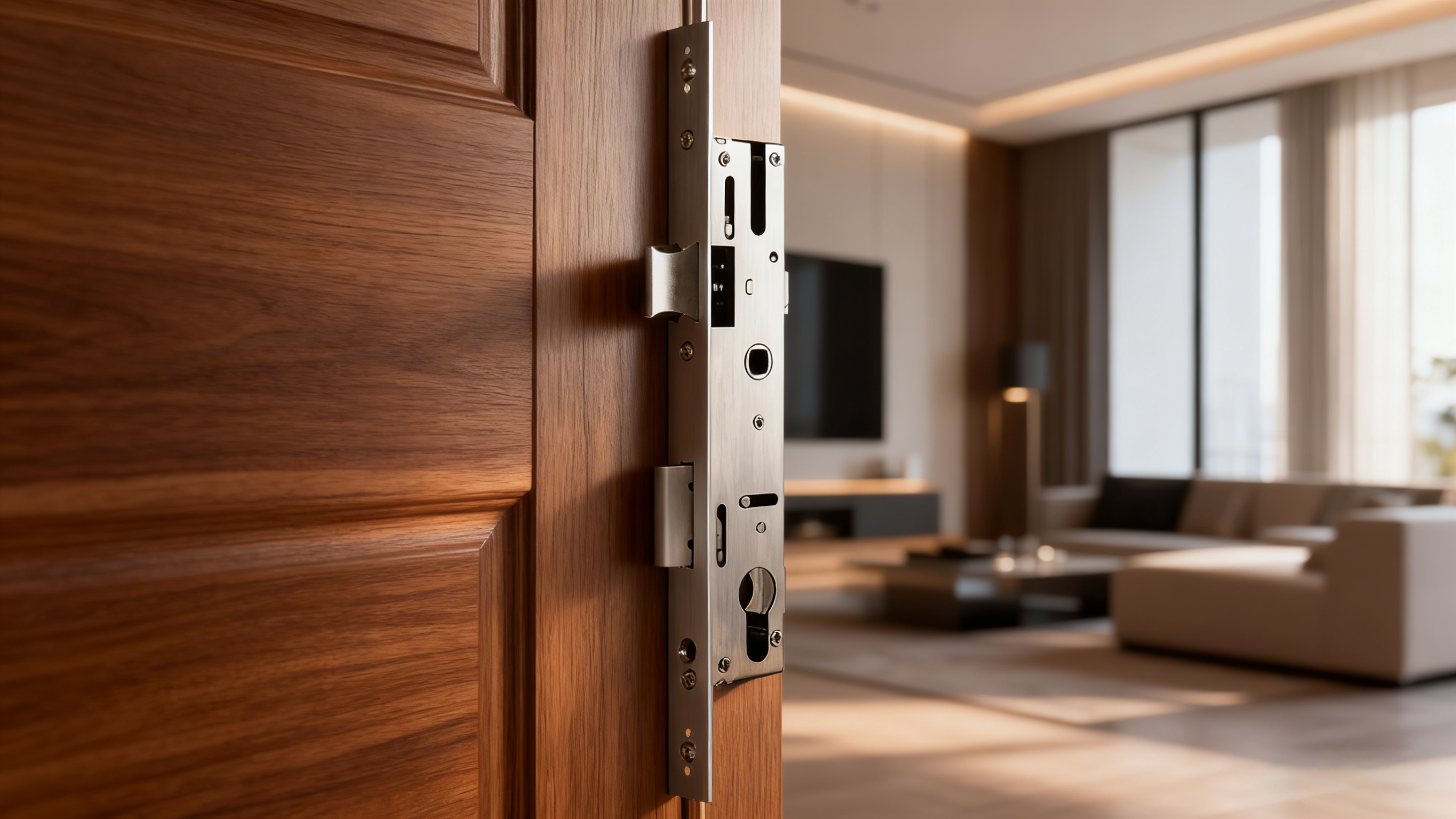
The Step-by-Step Time Breakdown
To understand where the time goes, it helps to look at the specific stages of fitting a mortice lock.
1. Marking Out (10–15 Minutes)
Precision is non-negotiable. You need to mark the height of the lock, the depth of the mortice, the position of the keyhole, and the handle spindle. If these don't align perfectly, the lock won't work. Taking your time here prevents disaster later.
2. Cutting the Mortice (45–90 Minutes)
This is the labor-intensive part. You will typically drill a series of holes into the edge of the door using an auger bit or spade bit, removing the bulk of the wood. Afterward, you must use a sharp chisel to square off the edges and clean out the debris.
Professionals often use a specialized "mortice jig"—a clamp-on tool that guides a drill to cut a perfect pocket in minutes. Without a jig, you are relying on hand-eye coordination and manual chiseling, which is slow, careful work.
3. Recessing the Faceplate (15–20 Minutes)
Once the lock body fits into the hole, the metal plate on the front needs to sit flush with the door edge. You will need to trace around the plate and carefully chisel out a shallow layer of wood. Go too deep, and the lock looks messy; go too shallow, and the door won't close properly.
4. Drilling Key and Spindle Holes (15 Minutes)
You need to drill through the face of the door for the key and the handle. This requires care to avoid "blowout" (where the wood splinters) as the drill exits the other side.
5. Fitting the Strike Plate (20–30 Minutes)
Finally, you have to fit the metal plate on the door frame that catches the bolt. This is often the fiddliest part. If you get the alignment wrong by even a few millimeters, the door will rattle or fail to latch. This stage often involves a bit of trial and error, testing the door repeatedly and adjusting the timber on the frame.
Tools That Speed Up the Job
If you have a lot of doors to do, or simply value your time, having the right tools can cut the installation time in half.
Sharp Wood Chisels: Attempting this with blunt chisels will double your work time and result in a messy finish. Ensure your chisels are razor-sharp.
Auger Drill Bits: These are designed to pull themselves into the wood and clear chips effectively, making deep hole drilling much faster than standard twist bits.
Mortice Jig: As mentioned, this tool is a game-changer for speed, but it is an expensive investment for a one-off job.
Combination Square: Essential for quick, accurate marking.
1
When to Call a Professional
While fitting a mortice lock is a manageable task for a competent DIYer, there are times when paying for a professional’s time is the smarter move.
If you are fitting a high-security 5-lever mortice lock (often required for home insurance purposes) into a brand-new, expensive hardwood door, the risk of error is high. A slip of the chisel can gouge the front of the door, and a misaligned drill hole is difficult to fix. A locksmith can guarantee a perfect fit and proper alignment with the strike plate, ensuring the lock engages smoothly and provides maximum security.
Furthermore, if you don't own the necessary tools (drill, specific drill bits, chisel set, mallet), the cost of buying them might approach the cost of hiring a pro.
Frequently Asked Questions
What is the difference between a 3-lever and a 5-lever mortice lock?
The "levers" are the internal mechanism that the key moves. Generally, more levers mean higher security. Internal doors usually use 3-lever locks, while external doors typically require 5-lever locks (specifically those meeting British Standard BS3621) to satisfy insurance requirements. 5-lever locks are slightly larger and may require a deeper mortice.
Can I install a mortice lock without power tools?
Technically, yes. In the past, carpenters would cut the entire mortice using only a brace, bit, and chisels. However, doing this today without an electric drill would likely double or triple your installation time and requires a high level of skill with hand tools.
My new lock is smaller than the old one. How do I fix the gap?
This is a common problem. If the new faceplate is smaller, you will be left with unsightly gaps in the wood. You can fill these with wood filler or a specifically cut piece of timber, but it can be difficult to get a neat finish. It is almost always better to buy a lock that is the same size or slightly larger than the original.
Why is my mortice lock stiff after installation?
This usually happens because the mortice pocket isn't deep enough or contains debris, forcing the lock mechanism to compress when screwed in. Alternatively, the spindle or keyhole might be slightly misaligned, causing friction. Loosen the screws slightly to see if it improves; if it does, you may need to ease out the timber a little more.
Securing Your Home Effectively
Installing a mortice lock is a satisfying project that significantly upgrades the security of your home. If you are tackling a fresh installation yourself, putting aside a full morning or afternoon allows you to work without stress. Remember, the goal isn't just to get the lock in the door—it is to ensure it operates smoothly and keeps your home safe.
Take your time, measure carefully, and don't be afraid to stop and sharpen your chisel. A well-fitted lock will last for decades, making those few hours of effort well worth the investment.
Electric mortice locks
mortice lock
UL listed Mortise Lock

 English
 العربية
 Français
 Русский
 Español
 Português
 Deutsch
 italiano
 日本語
日本語 한국어
한국어 Nederlands
 Tiếng Việt
 ไทย
ไทย Polski
 Türkçe
 አማርኛ
አማርኛ ພາສາລາວ
 ភាសាខ្មែរ
 Bahasa Melayu
 ဗမာစာ
ဗမာစာ தமிழ்
தமிழ் Filipino
 Bahasa Indonesia
 magyar
 Română
 Čeština
 Монгол
 қазақ
қазақ Српски
 हिन्दी
 فارسی
فارسی Kiswahili
 Slovenčina
 Slovenščina
 Norsk
Norsk Svenska
 українська
 Ελληνικά
 Suomi
Suomi Հայերեն
 עברית
עברית Latine
 Dansk
Dansk اردو
اردو Shqip
Shqip বাংলা
বাংলা Hrvatski
 Afrikaans
 Gaeilge
 Eesti keel
 Māori
Māori සිංහල
සිංහල नेपाली
 Oʻzbekcha
 latviešu
 অসমীয়া
 Aymara
 Azərbaycan dili
 Bamanankan
 Euskara
 Беларуская мова
 भोजपुरी
 Bosanski
 Български
 Català
 Cebuano
 Corsu
Corsu ދިވެހި
 डोग्रिड ने दी
 Esperanto
 Eʋegbe
 Frysk
Frysk Galego
 ქართული
 guarani
 ગુજરાતી
 Kreyòl ayisyen
 Hausa
Hausa ʻŌlelo Hawaiʻi
 Hmoob
Hmoob íslenska
 Igbo
Igbo Ilocano
 Basa Jawa
 ಕನ್ನಡ
ಕನ್ನಡ Kinyarwanda
 गोंगेन हें नांव
 Krio we dɛn kɔl Krio
 Kurdî
Kurdî Kurdî
Kurdî Кыргызча
 Lingala
 Lietuvių
 Oluganda
 Lëtzebuergesch
 Македонски
 मैथिली
 Malagasy
 മലയാളം
 Malti
Malti मराठी
मराठी ꯃꯦꯇꯥꯏ (ꯃꯅꯤꯄꯨꯔꯤ) ꯴.
 Mizo tawng
 Chichewa
 ଓଡ଼ିଆ
ଓଡ଼ିଆ Afaan Oromoo
 پښتو
پښتو ਪੰਜਾਬੀ
 Runasimi
 Gagana Samoa
 संस्कृत
 Gaelo Albannach
 Sepeti
 Sesotho
 chiShona
 سنڌي
سنڌي Soomaali
 Basa Sunda
 Wikang Tagalog
 Тоҷикӣ
 Татарча
 తెలుగు
 ትግንያውያን
 Xitsonga
 Türkmençe
 संस्कृत
 ئۇيغۇرچە
 Cymraeg
 isiXhosa
 ייִדיש
 Yorùbá
 isiZulu