Looking for better security for your home or office? A mortise lock set could be the perfect solution. Choosing the right one is essential for protecting your property and loved ones. In this post, you’ll learn how to select the best mortise lock set, its key features, installation tips, and common mistakes to avoid.
What is a Mortise Lock Set and How Does It Work?
Definition of a Mortise Lock Set
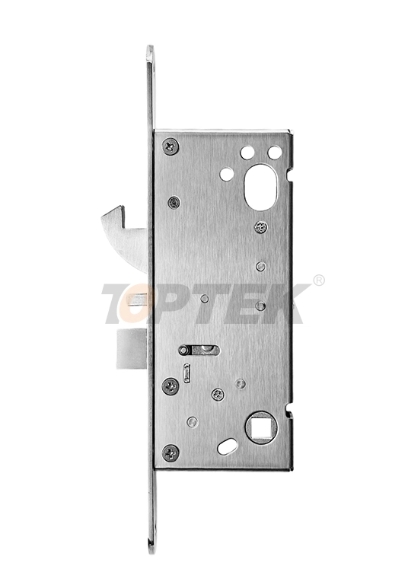
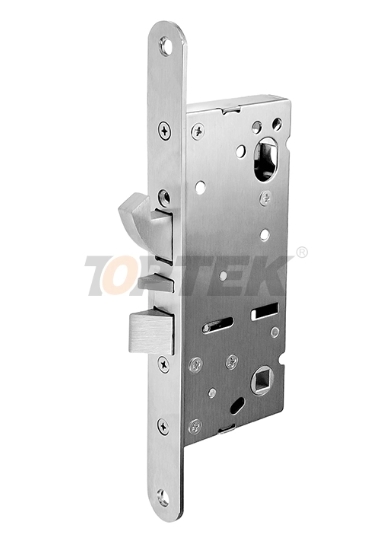
A mortise lock set is a type of lock built into a door. Unlike surface-mounted locks, it requires a cavity, or “mortise,” to be cut into the door frame. This design makes it more secure and durable than traditional locks.
Key Components of a Mortise Lock
A typical mortise lock set consists of three main components:
| Component | Description |
| Lock Body | The main housing of the lock that holds the internal mechanisms. |
| Lock Cylinder | The part where the key is inserted to engage the lock. |
| Faceplate | The visible part of the lock on the door’s edge, securing the locking mechanism. |
How Mortise Locks Differ from Regular Locks
Unlike standard locks, which are installed on the surface of the door, mortise locks are embedded. This hidden installation adds a layer of security, making mortise locks harder to tamper with.
How Does a Mortise Lock Set Work?
The locking mechanism of a mortise lock is more robust than that of regular locks. It includes a combination of bolts, deadbolts, and latches that securely hold the door shut.
Advantages Over Traditional Locks
| Advantage | Description |
| Strength | Mortise locks are more difficult to break or pick. |
| Durability | Lasts much longer than regular surface-mounted locks. |
| Resistance to Tampering | Internal design makes it harder for burglars to bypass. |
Benefits in Terms of Security, Durability, and Resistance to Tampering
Security: Mortise locks are built to resist forceful entry and tampering.
Durability: Their sturdy build makes them highly resistant to wear, lasting much longer than surface-mounted locks.
Resistance to Tampering: The internal design makes it harder for burglars to bypass.
Security Features
A Grade D lock cylinder is crucial for protecting against technical unlocking methods, like lock picking. It ensures the lock takes longer to break, making it highly secure.
Why is Choosing the Right Mortise Lock Set Important?
Security and Safety
A high-quality mortise lock set plays a crucial role in enhancing the security of your home or office. The strong, hidden design makes it difficult for burglars to bypass. Mortise locks are more resistant to tampering compared to regular locks, offering added protection against unauthorized access.
Different Security Standards
Look for locks that meet industry security standards like EN12209. This certification guarantees that the lock has undergone rigorous tests for security, such as anti-picking and anti-drilling. A lock with such certification offers better protection for your property.
Why Security Certifications Matter
Security certifications, like EN12209, are essential because they ensure the lock can withstand common break-in methods. A high-quality mortise lock set with these features reduces the likelihood of a break-in, providing peace of mind.
Durability and Longevity
Materials That Impact Durability
Materials like 304 stainless steel are known for their corrosion resistance and strength, making them ideal for mortise locks. Brass locks, while common, may not hold up as well over time, especially in harsh environments.
Longevity in Different Environments
Locks made from stainless steel perform better in areas prone to rust, like coastal regions. Stainless steel components resist moisture and corrosion, ensuring that the lock lasts longer even under extreme conditions.
Why Stainless Steel Components Matter
Choosing stainless steel for the lock body and internal components ensures better durability and weather resistance. This means fewer repairs or replacements, saving you money in the long run.
Cost vs. Value
Choosing the Right Lock for Better Value
Although a high-quality mortise lock set may have a higher upfront cost, it offers better value over time. It’s built to last longer, saving you from frequent repairs or replacements. A good lock ensures peace of mind, reducing the need for future security upgrades.
Why Investing in Quality Pays Off
Investing in a top-tier mortise lock set, like TOPTEK, means fewer maintenance costs. The long lifespan and high resistance to wear make it more cost-effective compared to cheaper, lower-quality options. In the long run, the investment pays off.
Price Comparison
When comparing brands, consider the quality and price differences. TOPTEK, for example, offers locks that provide better security and durability at a more reasonable price than competitors like Emtek. The balance between quality and cost can help you make an informed decision.
Key Features to Look for in a Mortise Lock Set
Safety Certifications and Security Features
When choosing a mortise lock set, look for important safety certifications like EN12209 or UL. These certifications ensure the lock has passed rigorous tests for security, durability, and tampering resistance. A certified lock set provides better protection for your home or office.
A Grade D lock cylinder is vital for preventing technical unlocking methods, such as lock picking. It’s much harder to bypass, keeping your property secure.
Some mortise locks come with automatic locking features, which can prevent accidental unlocking. This is especially useful for homes, where children or guests might forget to lock doors. It adds an extra layer of security.
Additional security features like anti-tampering structures, 304 stainless steel lock tongues, and 1.5mm thick steel housing further increase the durability and resistance of the lock to break-ins.
Material Quality and Construction
The material used in the lock is crucial for its performance and longevity. 304 stainless steel is one of the best options due to its strength and corrosion resistance. This ensures that your lock will withstand wear and tear, particularly in high-humidity or coastal areas.
The lock body thickness plays a role in durability. Thicker lock bodies offer better protection against physical force, making it harder for burglars to break the lock.
When comparing different materials, consider brass vs. stainless steel. While brass locks are commonly used, stainless steel offers superior resistance to corrosion and wear, making it a better choice for long-term durability.
Ease of Installation and Compatibility
A key feature to look for in a mortise lock set is its compatibility with your existing door. Measure your door’s thickness and backset size to ensure the lock fits properly. Some locks require specific measurements, so check compatibility before purchasing.
A reversible design is an excellent feature for adaptable installation. It allows you to install the lock on either side of the door, providing flexibility when you’re not sure which direction you need.
The installation process of a mortise lock set is typically straightforward, but the time required depends on the complexity of your door. In most cases, it can be installed in less than 30 minutes.
Mortise locks are adaptable to different door types. They work on wooden and glass doors, making them suitable for various settings. If your door doesn’t fit standard sizes, you can often find customizable mortise lock sets to meet your specific requirements.
Should You Choose a Mortise Lock Set for Your Home or Office?
Choosing a Mortise Lock Set for Your Home
When selecting a mortise lock set for home security, several features should be considered. For example, a child-proofing feature such as auto-locking ensures that doors cannot be accidentally left open by children. This is ideal for families with young kids.
Additionally, many mortise locks come with quiet operation. 304 stainless steel components make these locks quieter than brass ones, perfect for homes where peace and quiet are important.
A well-balanced mortise lock set for homes should offer both convenience and security. For instance, the EZGC50 is a quiet, secure option that provides high durability without the noise. It combines safety features like automatic locking with ease of use.
Choosing a Mortise Lock Set for Your Office
When selecting a mortise lock set for office spaces, durability is key. Office doors are frequently used, so the lock must withstand constant operation. Locks should be robust enough to handle wear and tear over time.
Multi-user management is an essential feature for offices. Look for mortise lock sets that offer mechanical keys and password options for easy access control. These features allow for different access levels, ensuring that employees only have access to the areas they need.
For an office, it’s crucial to select a commercial mortise lock set that meets security certifications such as EN12209. This ensures that the lock is resistant to tampering and other security threats.
A well-designed mortise lock set should also feature key control systems to prevent unauthorized access. If employees leave, consider a lock set with an easy key replacement system, which helps reduce costs associated with rekeying.
Common Mistakes to Avoid When Choosing a Mortise Lock Set
Selecting the Wrong Size
One of the most common mistakes when choosing a mortise lock set is selecting the wrong size. To avoid this, you must measure your door’s backset and thickness accurately. The backset is the distance from the door edge to the center of the lock. If these measurements aren’t correct, the lock might not fit properly.
Another issue is failing to consider non-standard doors, such as glass doors or those with unusual thickness. In these cases, you might need a custom mortise lock set or an adapter. Always double-check these dimensions before purchasing a lock to avoid installation headaches.
Ignoring Security Certifications
Never overlook the importance of security certifications. Choosing a lock without proper certifications like EN12209 or UL can put your property at risk. These certifications ensure the lock has passed security tests for durability, resistance to picking, and other tampering methods. Without them, your lock might not offer the protection you expect.
The Importance of Certification
EN12209 and UL certifications are necessary for ensuring the lock meets high-security standards. A certified lock provides assurance that it can withstand common break-in techniques, which is crucial for home or office security.
Not Considering Material Durability
Another common mistake is choosing a mortise lock set made from cheap materials. Low-quality materials may wear out faster, causing the lock to break or malfunction. 304 stainless steel is a durable, long-lasting option that resists corrosion and wear, especially in harsh environments.
Weather Resistance
If you live in a coastal area or a place with extreme weather, it’s essential to select a lock with weather-resistant materials. Locks made from materials like 304 stainless steel can withstand rust and corrosion, ensuring they last longer even in humid or salty air.
How to Install a Mortise Lock Set?
Step-by-Step Instructions
Prepare the Door: Measure and mark the spot where the lock will go. Ensure your door is the right thickness and backset for the lock you’ve chosen.
Cut the Mortise: Using a chisel and mallet, carefully carve out a space in the door for the mortise lock body. Ensure the cavity is deep enough for the lock body to sit flush.
Install the Lock Body: Place the lock body into the mortise cavity and screw it into place. Make sure it is aligned properly.
Attach the Faceplate: Position the faceplate on the door edge, then secure it with screws. This should cover the lock body and ensure it is secure.
Install the Lock Cylinder: Insert the lock cylinder into the lock body and secure it.
Attach the Door Knob/Handle: Attach the knob or handle to the lock, securing it with screws.
Test the Lock: Once installed, test the lock several times to make sure it works smoothly and is secure.
Tools Required for Installation
To install a mortise lock set, you'll need:
Measuring tape (to measure door thickness and backset)
Chisel and mallet (to create the mortise)
Screwdriver (for securing screws)
Drill (for drilling holes)
Level (to ensure alignment)
Tips for DIY Installation vs. Professional Installation
DIY Installation: If you're comfortable with basic tools and measurements, installing a mortise lock yourself can be a rewarding task. Just follow the steps carefully and take your time.
Professional Installation: If you lack experience with tools or are dealing with a custom door, a professional locksmith can ensure the lock is installed correctly and securely.
Common Challenges and How to Overcome Them
Improper Mortise Depth: If the mortise is too shallow, the lock may not fit. Use a depth gauge to ensure you cut the correct depth.
Alignment Issues: If the lock doesn’t align properly, it may not function well. Double-check your measurements and use a level to ensure everything is straight.
Custom Installation
If your door doesn’t match standard sizes, some mortise lock sets can be customized to fit existing pre-holes. This feature reduces the need for extensive modifications to the door, saving time and effort. Simply look for a lock that offers customizable options for non-standard doors.
Maintenance Tips for Your Mortise Lock Set
Regular Maintenance
To keep your mortise lock set functioning smoothly, regular maintenance is key. Clean the lock periodically to remove dirt and dust that could interfere with its operation. Dust can get trapped inside the lock mechanism, causing it to wear out faster.
Lubrication and Cleaning Tips
Lubrication: Use a graphite lubricant to grease the lock cylinder and internal components. This helps prevent rust and ensures the lock operates smoothly. Avoid using oil-based lubricants, as they can attract dirt.
Cleaning: Wipe the lock’s surface with a soft cloth regularly to remove fingerprints and other debris. For deeper cleaning, use a mild soap solution and ensure the lock is dry afterward.
Replacing or Upgrading Your Mortise Lock Set
When to Replace the Lock
You should consider replacing your mortise lock set if:
The lock is frequently sticking or hard to operate.
It’s damaged or showing signs of wear.
You’ve experienced a break-in or attempted break-in. If your lock is no longer reliable, it’s important to replace it promptly to maintain security.
How to Upgrade to a More Secure Model
Upgrading your mortise lock set can enhance security. Consider models with high-security cylinders or smart features like keyless entry or remote access. These features offer an extra layer of protection by eliminating traditional key vulnerabilities.
Upgrading for Added Security
For maximum security, consider adding biometric fingerprint readers or a smart lock to your mortise lock set. These options provide greater control over access, allowing only authorized users to unlock the door.
Where to Buy the Best Mortise Lock Set?
Online vs. In-Store
When deciding where to buy a mortise lock set, both online retailers and local hardware stores have their advantages. Shopping online offers convenience and access to a wide variety of options, with reviews to help guide your decision. Popular online retailers like Amazon, eBay, and specialized lock retailers often feature detailed product descriptions and customer ratings.
On the other hand, visiting a local hardware store allows you to see the product in person. You can speak directly to a store associate for advice and ensure the lock fits your door before buying. This is especially helpful for those new to locks and security hardware.
Reputable Brands
Choosing a reputable brand is important for ensuring your mortise lock set is secure and durable. Well-known brands like TOPTEK, Emtek, and others offer high-quality products backed by strong customer support. Trusted brands usually provide products with better security certifications and warranty coverage.
TOPTEK: With over 30 years of experience, TOPTEK is a reliable brand in the industry. They offer high-quality mortise lock sets with superior certifications, such as EN12209, ensuring they meet strict security standards.
Emtek: Known for its design and craftsmanship, Emtek provides stylish yet durable mortise lock sets, offering a range of customization options.
Why Choosing a Reputable Brand Matters
Opting for a reputable brand ensures your mortise lock set provides reliable security. These brands have a proven track record of performance and offer customer support if you encounter any issues. They also often provide products that are tested for durability, tampering resistance, and long-term use.
By choosing a trusted brand like TOPTEK, you gain access to industry expertise, superior quality, and peace of mind knowing your home or office is well-secured.
Conclusion
When choosing the best mortise lock set, consider security, durability, and ease of installation. Look for security certifications, such as EN12209, and choose quality materials like stainless steel. Make sure the lock fits your door and meets your needs. Evaluate your home or office security and select the right lock to ensure lasting protection. Don’t compromise on quality—invest in a reliable, secure mortise lock set today.
FAQ
Q: What is the difference between a mortise lock and a cylindrical lock?
A: A mortise lock is embedded into the door, offering higher security and durability. A cylindrical lock sits on the door surface and is easier to install but less secure.
Q: Can I install a mortise lock on a door that wasn’t previously equipped with one?
A: Yes, mortise locks can be installed on most doors. However, modifications to the door may be required to accommodate the mortise lock body.
Q: What is the lifespan of a typical mortise lock set?
A: A high-quality mortise lock set can last 10 to 20 years, depending on material quality and environmental conditions.
Q: Is it worth investing in a high-security mortise lock set for home use?
A: Yes, high-security mortise lock sets provide enhanced protection against break-ins and are a smart investment for home security.
Q: How often should I change the lock on my door?
A: It’s recommended to replace your lock if it shows signs of wear, malfunction, or after a break-in attempt.

 English
 العربية
 Français
 Русский
 Español
 Português
 Deutsch
 italiano
 日本語
日本語 한국어
한국어 Nederlands
 Tiếng Việt
 ไทย
ไทย Polski
 Türkçe
 አማርኛ
አማርኛ ພາສາລາວ
 ភាសាខ្មែរ
 Bahasa Melayu
 ဗမာစာ
ဗမာစာ தமிழ்
தமிழ் Filipino
 Bahasa Indonesia
 magyar
 Română
 Čeština
 Монгол
 қазақ
қазақ Српски
 हिन्दी
 فارسی
فارسی Kiswahili
 Slovenčina
 Slovenščina
 Norsk
Norsk Svenska
 українська
 Ελληνικά
 Suomi
Suomi Հայերեն
 עברית
עברית Latine
 Dansk
Dansk اردو
اردو Shqip
Shqip বাংলা
বাংলা Hrvatski
 Afrikaans
 Gaeilge
 Eesti keel
 Māori
Māori සිංහල
සිංහල नेपाली
 Oʻzbekcha
 latviešu
 অসমীয়া
 Aymara
 Azərbaycan dili
 Bamanankan
 Euskara
 Беларуская мова
 भोजपुरी
 Bosanski
 Български
 Català
 Cebuano
 Corsu
Corsu ދިވެހި
 डोग्रिड ने दी
 Esperanto
 Eʋegbe
 Frysk
Frysk Galego
 ქართული
 guarani
 ગુજરાતી
 Kreyòl ayisyen
 Hausa
Hausa ʻŌlelo Hawaiʻi
 Hmoob
Hmoob íslenska
 Igbo
Igbo Ilocano
 Basa Jawa
 ಕನ್ನಡ
ಕನ್ನಡ Kinyarwanda
 गोंगेन हें नांव
 Krio we dɛn kɔl Krio
 Kurdî
Kurdî Kurdî
Kurdî Кыргызча
 Lingala
 Lietuvių
 Oluganda
 Lëtzebuergesch
 Македонски
 मैथिली
 Malagasy
 മലയാളം
 Malti
Malti मराठी
मराठी ꯃꯦꯇꯥꯏ (ꯃꯅꯤꯄꯨꯔꯤ) ꯴.
 Mizo tawng
 Chichewa
 ଓଡ଼ିଆ
ଓଡ଼ିଆ Afaan Oromoo
 پښتو
پښتو ਪੰਜਾਬੀ
 Runasimi
 Gagana Samoa
 संस्कृत
 Gaelo Albannach
 Sepeti
 Sesotho
 chiShona
 سنڌي
سنڌي Soomaali
 Basa Sunda
 Wikang Tagalog
 Тоҷикӣ
 Татарча
 తెలుగు
 ትግንያውያን
 Xitsonga
 Türkmençe
 संस्कृत
 ئۇيغۇرچە
 Cymraeg
 isiXhosa
 ייִדיש
 Yorùbá
 isiZulu