Choosing the right electric strike for mortise locks is crucial for securing your property. An electric strike allows for seamless integration with access control systems, enhancing security. Whether you’re a homeowner, business owner, or facility manager, selecting the correct strike is key to ensuring reliable security and ease of access. In this post, we’ll discuss how to choose the ideal electric strike, considering factors like compatibility, load capacity, and environmental conditions.
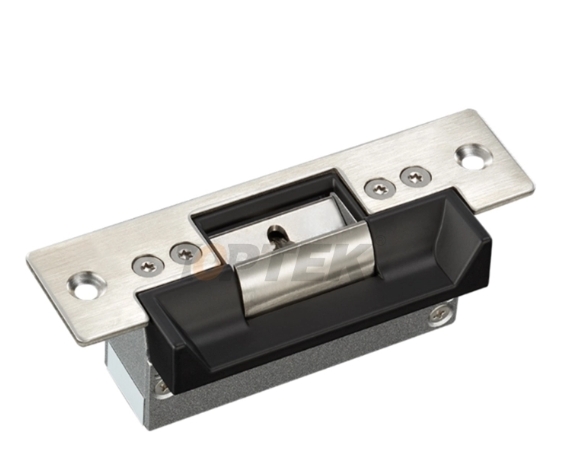
What is an Electric Strike for Mortise Lock?
An electric strike for mortise lock is an essential component of modern access control systems. It’s a device installed in a door frame to allow automatic unlocking when triggered by an access control system, such as a keypad or card reader.
The electric strike replaces a traditional mechanical strike plate. It works by electronically releasing the latch mechanism of the lock, allowing the door to open without the need for physical keys. This feature is especially useful for buildings requiring high security and controlled access.
Using an electric strike provides multiple benefits. It enhances security, allows for more efficient management of access points, and enables remote locking and unlocking of doors. It’s a reliable solution for both residential and commercial properties.
How Does an Electric Strike Work with Mortise Locks?
An electric strike integrates seamlessly with a mortise lock mechanism. When an authorized signal is sent from the access control system, the electric strike releases the latch, allowing the door to open. The electric strike uses an electromagnetic force to hold the latch in place until the signal is given to release it.
This mechanism is crucial for automatic locking and unlocking. It ensures that doors remain secure when closed and can be easily unlocked when access is needed, providing convenience and safety. The strike operates in conjunction with the mortise lock to maintain the integrity of the door while offering smooth functionality.
Why Are Electric Strikes Essential for Mortise Locks?
Electric strikes for mortise locks are vital for modern security systems. They provide enhanced security by preventing unauthorized entry. Their ability to integrate with electronic systems, such as keycards and biometric access control, makes them invaluable for businesses, commercial buildings, and other high-security environments.
They offer easy access management by allowing remote control of doors. This means you can lock or unlock doors from anywhere, providing greater flexibility and reducing the need for physical keys.
In commercial and industrial settings, electric strikes enable high-volume access, making them essential in busy environments such as office buildings, warehouses, and hospitals. They also streamline security operations, as they can be monitored and controlled from a central system, allowing for better tracking of entry and exit points.
Key Factors to Consider When Choosing the Right Electric Strike for Mortise Locks
1. Compatibility with Mortise Locks
When selecting an electric strike for mortise lock, it's crucial to ensure it matches the lock's specifications. A mismatch can lead to improper functioning or even damage to both the lock and the strike.
Common compatibility issues include:
Incorrect Backset size, which is the distance from the lock center to the edge of the door. Standard sizes are 50mm, 55mm, and 60mm.
Differences in lock dimensions and strike configurations.
| Compatibility Issue | Solution |
| Incorrect Backset | Ensure strike matches Backset size (50mm, 55mm, 60mm) |
| Mismatched Dimensions | Check the strike dimensions against lock type |
For example, Toptek's TKESAM701 is designed to fit ANSI/BHMA standards, ensuring it works seamlessly with most mortise locks, reducing the risk of compatibility problems.
2. Certification and Safety Standards
Certifications play an important role in ensuring the electric strike meets safety and performance standards.
ANSI/BHMA Certification: This indicates the electric strike meets rigorous mechanical and electrical performance standards, including strength, longevity, and security.
EN14846 Certification: A European standard that ensures the strike's reliability in commercial applications.
| Certification | Purpose | Example |
| ANSI/BHMA | Ensures mechanical and electrical performance | Electric Strike ANSI TKESAM701 Series |
| EN14846 | Ensures strike reliability in commercial environments | Electric Strike ANSI TKESAM701 Series |
Toptek electric strikes, such as the TKESAM701, come with multiple certifications, including CE, UL, and SKG. These certifications demonstrate their high-quality construction and adherence to international safety standards.
3. Load Capacity and Durability
The load capacity of the electric strike determines how well it can handle the weight of the door. Heavy-duty doors, like those in warehouses or industrial settings, need electric strikes with higher load capacities.
A 500kg static load capacity, like the one found in Electric Strike ANSI TKESAM701 Series, is ideal for industrial doors.
Material matters. For example, zinc alloy offers adequate durability, but 304 stainless steel provides superior corrosion resistance, especially in coastal or humid environments.
| Door Type | Required Load Capacity | Material |
| Industrial Doors | 500kg load capacity | Stainless Steel |
| Light Duty Doors | 300kg load capacity | Zinc Alloy |
Choosing the right material and load capacity is key to ensuring your electric strike lasts without losing functionality.
4. Voltage and Power Requirements
Electric strikes are available in various voltages, typically DC12V and DC24V. The voltage of your system should match the electric strike’s requirements.
Power consumption is another factor to consider. Low-power strikes like TKESAM701 use only 400mA at 12V, minimizing heat generation and reducing electricity costs.
Ensure your system can provide the correct voltage to avoid underperformance or damage to the system.
5. Environmental Considerations
Electric strikes used in outdoor or harsh environments need to be durable and weather-resistant.
304 stainless steel is an excellent material for resisting corrosion.
Look for IP ratings like IP54 or IP65, which indicate the strike’s resistance to dust and water.
| Material | Environmental Resistance | Example |
| 304 Stainless Steel | Corrosion Resistance | Toptek TKESAM701 |
| Zinc Alloy | Suitable for Mild Environments | Toptek EL-134NO-S |
The Electric Strike ANSI TKESAM701 Series is designed with high-temperature powder coating and salt-spray resistance, making it suitable for extreme environments, such as coastal regions or warehouses with high humidity.
6. Signal Output Compatibility
The electric strike should be compatible with your access control system. Most systems require different signal outputs, such as NO (Normally Open), NC (Normally Closed), and COMM (Common).
TKESAM701 supports all three output types, ensuring it integrates with most access control systems, such as Hikvision or Bosch.
The ability to monitor the lock status remotely is another crucial feature, especially for high-security areas.
Practical Tips for Selecting the Right Electric Strike for Mortise Locks
How to Match Electric Strikes with Different Types of Mortise Locks
When choosing an electric strike for mortise lock, you need to consider the type of mortise lock you have. There are various styles, such as single latch and double latch locks, each requiring specific strike mechanisms.
Single latch locks typically require a simpler electric strike, whereas double latch locks may need a more robust model for secure locking.
The door material and usage play a major role. For example, wooden doors may require a different strike than steel doors.
Always check the compatibility of the strike with the door thickness and lock type. For instance, if the door is thicker than standard models, you might need a strike designed for thicker doors.
Choosing the Right Electric Strike for Your Security Needs
Your choice of electric strike should align with your security needs. The requirements of high-security areas, like data centers, are different from those of commercial spaces.
Fail-safe vs. fail-secure mechanisms: A fail-safe system unlocks when power is lost, ideal for emergency exits. A fail-secure system stays locked when power is cut, perfect for high-security areas like bank vaults.
For high-security banks, you’ll need a strike with higher load capacity and specialized certifications. For industrial warehouses, consider a model that can handle heavy doors and withstand tough environments.
For fire exits, choose a strike with emergency fail-safe capabilities to comply with safety regulations.
How to Test and Install an Electric Strike for Mortise Lock
Installing and testing an electric strike for mortise locks can be straightforward if you follow these simple steps:
Test Compatibility: Before installation, verify that the electric strike matches your mortise lock’s specifications (Backset, dimensions, and signal output).
Install the Strike: Make sure the strike is aligned properly in the door frame. Use pre-installed screws and striker plates for faster and easier installation.
Check Alignment: Ensure that the strike is properly aligned to the lock and that the latch operates smoothly. Misalignment can cause issues with locking/unlocking.
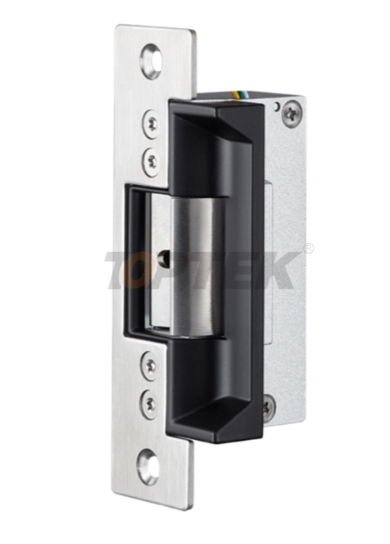
Toptek’s Installation Features: Many electric strikes, like Electric Strike ANSI TKESAM701 Series, come with a “no modification design,” meaning you don’t need to alter the door or frame, reducing installation costs and time.
Common Mistakes to Avoid When Choosing an Electric Strike for Mortise Locks
1. Ignoring Compatibility
One of the biggest mistakes is choosing an electric strike for mortise lock that doesn’t match the specifications of your lock.
An incompatible strike can cause malfunction or damage to both the electric strike and lock.
Common issues include mismatched Backset sizes, improper latch alignment, or incorrect signal outputs.
By verifying compatibility before purchasing, you can save time and avoid costly repairs.
2. Overlooking Load Capacity
Choosing a strike with too low a load capacity can lead to issues over time, especially with heavy doors.
An electric strike’s load capacity is vital for ensuring it can handle the door’s weight without failure.
For example, using a light-duty electric strike on a heavy-duty door could result in the strike malfunctioning or even breaking, causing security vulnerabilities.
It’s essential to match the strike’s load rating to your door’s weight and material. Electric Strike ANSI TKESAM701 Series, with its 500kg static load capacity, is an excellent choice for heavy doors.
3. Underestimating Environmental Conditions
Not considering environmental conditions can lead to premature wear or failure of the electric strike.
Electric strikes used in harsh environments (e.g., coastal areas or areas with high humidity) need to be more durable and corrosion-resistant.
For instance, a standard strike might rust or deteriorate quickly in such climates.
TKESAM701 is designed to withstand salt-spray corrosion, making it perfect for coastal areas where salt and moisture are a concern.
Conclusion
Choosing the right electric strike for mortise lock is crucial for ensuring security and functionality. Always consider compatibility, load capacity, and environmental factors. Make sure to match the strike with your specific door and lock type. For a reliable choice, explore models like Electric Strike ANSI TKESAM701 Series, which offer robust features and high compatibility. Take time to research before purchasing to ensure a successful installation and long-lasting performance.
FAQs About Electric Strike for Mortise Lock
Q1: What is the difference between a fail-safe and a fail-secure electric strike?
A: Fail-safe strikes unlock when power is lost, ideal for emergency exits. Fail-secure strikes remain locked without power, suitable for high-security areas like vaults.
Q2: Can an electric strike work with all types of mortise locks?
A: No, electric strikes need to be compatible with specific mortise lock types. Check the lock’s Backset, dimensions, and signal output before selecting a strike.
Q3: How do I determine the voltage needed for my electric strike?
A: Choose between DC12V and DC24V based on your system’s voltage requirements. Ensure the strike matches your power system to avoid malfunction.
Q4: How do I know if the electric strike is durable enough for heavy-duty doors?
A: Select an electric strike based on the door’s weight and material. Electric Strike ANSI TKESAM701 Series, with a 500kg load capacity, is ideal for heavy-duty doors.
Q5: Can I install an electric strike myself?
A: Yes, many models like Electric Strike ANSI TKESAM701 Series are designed for easy installation, reducing the need for professional help. Follow the instructions for proper alignment and secure fitting.

 English
 العربية
 Français
 Русский
 Español
 Português
 Deutsch
 italiano
 日本語
日本語 한국어
한국어 Nederlands
 Tiếng Việt
 ไทย
ไทย Polski
 Türkçe
 አማርኛ
አማርኛ ພາສາລາວ
 ភាសាខ្មែរ
 Bahasa Melayu
 ဗမာစာ
ဗမာစာ தமிழ்
தமிழ் Filipino
 Bahasa Indonesia
 magyar
 Română
 Čeština
 Монгол
 қазақ
қазақ Српски
 हिन्दी
 فارسی
فارسی Kiswahili
 Slovenčina
 Slovenščina
 Norsk
Norsk Svenska
 українська
 Ελληνικά
 Suomi
Suomi Հայերեն
 עברית
עברית Latine
 Dansk
Dansk اردو
اردو Shqip
Shqip বাংলা
বাংলা Hrvatski
 Afrikaans
 Gaeilge
 Eesti keel
 Māori
Māori සිංහල
සිංහල नेपाली
 Oʻzbekcha
 latviešu
 অসমীয়া
 Aymara
 Azərbaycan dili
 Bamanankan
 Euskara
 Беларуская мова
 भोजपुरी
 Bosanski
 Български
 Català
 Cebuano
 Corsu
Corsu ދިވެހި
 डोग्रिड ने दी
 Esperanto
 Eʋegbe
 Frysk
Frysk Galego
 ქართული
 guarani
 ગુજરાતી
 Kreyòl ayisyen
 Hausa
Hausa ʻŌlelo Hawaiʻi
 Hmoob
Hmoob íslenska
 Igbo
Igbo Ilocano
 Basa Jawa
 ಕನ್ನಡ
ಕನ್ನಡ Kinyarwanda
 गोंगेन हें नांव
 Krio we dɛn kɔl Krio
 Kurdî
Kurdî Kurdî
Kurdî Кыргызча
 Lingala
 Lietuvių
 Oluganda
 Lëtzebuergesch
 Македонски
 मैथिली
 Malagasy
 മലയാളം
 Malti
Malti मराठी
मराठी ꯃꯦꯇꯥꯏ (ꯃꯅꯤꯄꯨꯔꯤ) ꯴.
 Mizo tawng
 Chichewa
 ଓଡ଼ିଆ
ଓଡ଼ିଆ Afaan Oromoo
 پښتو
پښتو ਪੰਜਾਬੀ
 Runasimi
 Gagana Samoa
 संस्कृत
 Gaelo Albannach
 Sepeti
 Sesotho
 chiShona
 سنڌي
سنڌي Soomaali
 Basa Sunda
 Wikang Tagalog
 Тоҷикӣ
 Татарча
 తెలుగు
 ትግንያውያን
 Xitsonga
 Türkmençe
 संस्कृत
 ئۇيغۇرچە
 Cymraeg
 isiXhosa
 ייִדיש
 Yorùbá
 isiZulu