Is your business truly secure? Commercial properties, from retail stores to offices, face constant security threats. A commercial deadbolt lock plays a crucial role in safeguarding your assets. In this post, we'll explore whether these locks are truly safe, examining their features, benefits, and why they are a must-have for business owners.
Why Choose a Commercial Deadbolt Lock Over a Residential Lock?
What is a Commercial Deadbolt Lock?
A commercial deadbolt lock is designed specifically for high-security environments like businesses, retail stores, and office buildings. These locks feature robust mechanisms, often built from materials like 304 stainless steel, offering superior resistance to tampering, corrosion, and wear compared to typical residential locks. Unlike residential versions, commercial locks are engineered to handle more frequent use and offer greater protection against break-ins.
Key Differences Between Commercial and Residential Locks
| Feature | Commercial Deadbolt Lock | Residential Deadbolt Lock |
| Material | 304 stainless steel for high durability | Often nickel-plated steel or iron |
| Locking Mechanism | Heavy-duty, thicker bolts (11.5mm-11.8mm) | Thinner bolts, less secure |
| Frequency of Use | Designed for high traffic environments | Typically for lower traffic, home use |
| Tampering Resistance | Anti-pick, anti-saw, reinforced mechanisms | Less resistant to tampering |
How Does a Commercial Deadbolt Lock Work?
Commercial deadbolt locks work by securing a bolt into a strike plate on the doorframe. The bolt extends and retracts when the key is turned. Commercial models go a step further, providing a stronger locking mechanism than residential locks.
Enhanced Locking Strength:
Commercial deadbolt locks feature thick, heavy-duty bolts (11.5mm to 11.8mm), significantly more robust than the thinner bolts in residential locks. This thicker bolt makes them harder to break, pry, or tamper with.
Anti-Pick Technology:
These locks include more pins and security features, making them harder to pick compared to residential models. Lock picking requires significant expertise, and the complexity of commercial locks makes them far more challenging to bypass.
What Are the Benefits of Using a Commercial Deadbolt Lock?
Commercial deadbolt locks are essential in places that require high security, like airports, office buildings, and retail stores, where keeping intruders out is a priority. Their tough materials, advanced locking mechanisms, and certified standards make them the go-to choice for any high-security environment.
Are Commercial Deadbolt Locks Really Safe?
What Makes a Commercial Deadbolt Lock Safe?
A commercial deadbolt lock is designed to withstand a range of physical attacks. The materials used and the locking mechanisms play a major role in ensuring security.
Material Strength:
Commercial deadbolt locks are made from 304 stainless steel, which is highly resistant to corrosion and tampering. This material is far stronger than the materials used in most residential locks, such as nickel-plated steel or iron.
Locking Mechanism:
Commercial locks often feature double-locking systems, providing an extra layer of security. They also include anti-pick features, such as high-security pins and more complex locking mechanisms, making them far more difficult to bypass than residential locks.
Certifications:
Commercial deadbolt locks are built to meet international standards, such as EN12209 certification. This certification ensures that the locks can resist tampering, drilling, prying, and other destructive attempts. The rigorous testing of commercial locks guarantees high-level security.
How Do Commercial Deadbolt Locks Compare to Residential Locks in Terms of Safety?
| Feature | Commercial Deadbolt Locks | Residential Deadbolt Locks |
| Resistance to Bumping | Resistant to bumping and picking | Prone to bumping and picking |
| Durability | Built to withstand physical attacks | Often less durable under heavy force |
| Use Case | Ideal for high-security areas | Suitable for home environments |
What About Lock Bumping or Picking?
Lock bumping is a common method of bypassing residential locks. However, commercial deadbolt locks are designed to counteract this vulnerability. The pin mechanisms in commercial locks are more complex, making them much harder to pick. This makes them a far safer choice for protecting high-value properties.
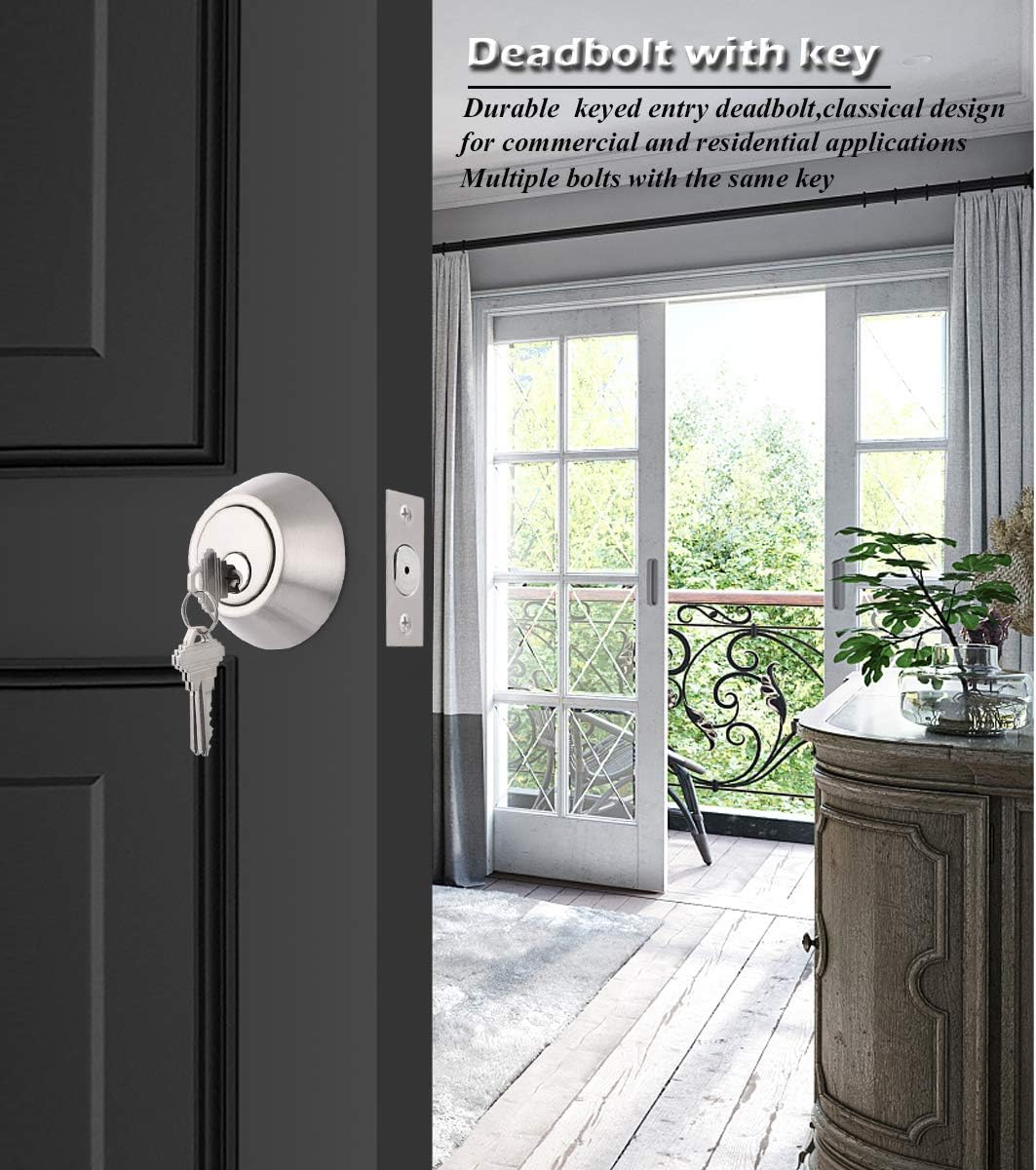
Are Commercial Deadbolt Locks Foolproof?
Can a Commercial Deadbolt Lock Be Picked or Bypassed?
While commercial deadbolt locks offer robust security features, no lock is completely immune to being bypassed. The more advanced the lock, the harder it is to break through.
Security Enhancements:
Many commercial deadbolt locks include anti-pick mechanisms and bump-resistant technology. These features make it significantly harder for intruders to bypass the lock using common tools like bump keys or lock picks.
Despite these advancements, some skilled thieves may still find a way around the lock. However, commercial deadbolts are far more secure than standard residential locks, making them much more difficult to bypass.
What is the Risk of Physical Attacks on a Commercial Deadbolt Lock?
Commercial deadbolt locks are designed to withstand high levels of physical force. They’re far more resilient than their residential counterparts when faced with prying or drilling attacks.
| Test | Commercial Deadbolt Lock | Residential Deadbolt Lock |
| Hydraulic Tool Resistance | Resists attacks for up to 8 minutes | Fails in under 2 minutes |
| Breakage Resistance | Designed to withstand significant impact | Prone to breakage with less force |
Hydraulic Tool Resistance:
Commercial locks are tested to withstand attacks from hydraulic tools for up to 8 minutes, while residential locks typically fail in under 2 minutes. This makes commercial deadbolts much more effective in resisting forceful entry.
Breakage Resistance:
Tests have shown that commercial locks can endure significant impact and prying attempts. They are built to resist breakage under pressure, unlike residential locks, which are more prone to breaking or bending with minimal force. Commercial deadbolts are far tougher, offering greater protection against brute-force attacks.
How to Maintain the Safety of Your Commercial Deadbolt Lock?
Regular Maintenance Tips for Ensuring Maximum Security
| Maintenance Tip | Recommendation |
| Lubrication and Cleaning | Lubricate the keyway and mechanism regularly to ensure smooth operation. |
| Check for Wear and Tear | Inspect locks regularly for any signs of damage or wear. |
| Seal Any Gaps | Ensure the door and frame are tightly aligned to prevent tampering. |
To keep your commercial deadbolt lock functioning at its best, regular maintenance is essential.
How Often Should You Replace a Commercial Deadbolt Lock?
For high-traffic areas like retail or office spaces, locks should be replaced more frequently to ensure optimal security. Frequent use can cause wear more quickly, making timely replacement essential for ongoing protection.
Common Mistakes When Installing and Using a Commercial Deadbolt Lock
What Are the Common Installation Mistakes That Could Compromise Security?
Proper installation is crucial for the security of a commercial deadbolt lock. Here are some common mistakes that can weaken its effectiveness:
| Mistake | Impact on Security |
| Incorrect Installation | Misalignment can lead to gaps or poor fit, making the lock vulnerable to forced entry. |
| Misalignment of Door Frames | Improper fit can result in a lock that doesn’t engage properly. |
| Using Incompatible Locks | Locks that don’t fit the door or frame can compromise security. |
How to Avoid Weaknesses in Your Commercial Deadbolt Lock?
Importance of Using Locks with Appropriate Certifications: Ensure that the lock has been tested to meet recognized security standards.
Regular Maintenance and Professional Installation: Always opt for professional installation and regular check-ups to ensure your lock remains functional.
By avoiding these common mistakes, you can ensure your commercial deadbolt lock provides the highest level of security possible.
Additional Security Measures to Pair with a Commercial Deadbolt Lock
Should You Use Other Security Devices Alongside a Deadbolt Lock?
While commercial deadbolt locks offer strong protection, combining them with other security measures creates a more comprehensive defense.
| Security Device | Benefit |
| Layered Security | Use multiple locks for extra protection. |
| Smart Locks | Add electronic controls and remote monitoring for enhanced security. |
How Can Commercial Deadbolt Locks Be Used for Different Security Needs?
Commercial deadbolt locks can meet the security demands of various types of properties:
| Property Type | Deadbolt Lock Use |
| High-Security Areas | Use Grade 1 locks for maximum security. |
| Office Buildings and Retail | Grade 2 locks offer good security for moderate-risk areas. |
| Special Designs | Consider customized options for unique security needs. |
How Much Does a Commercial Deadbolt Lock Cost?
Are Commercial Deadbolt Locks Expensive?
When considering a commercial deadbolt lock, the price can vary widely depending on its quality, materials, and features.
| Price Range | Lock Features |
| Low-End Models | Basic security, suitable for lower-risk areas |
| High-End Models | Enhanced features like anti-pick, anti-drill, and reinforced bolts |
Overview of Pricing Based on Quality, Material, and Features:
Is It Worth the Investment for Your Business?
Investing in a commercial deadbolt lock is not just about spending money upfront. It's about protecting your business in the long run.
| Investment | Benefit |
| ROI of Installing High-Security Locks | Prevent costly security breaches and reduce the likelihood of theft and property damage. |
Real-World Examples of Commercial Deadbolt Locks in Action
Case Studies: How Commercial Deadbolt Locks Have Improved Security
| Example | Location | Outcome |
| Paris Charles de Gaulle Airport | Secured restricted areas like baggage handling | 75% reduction in break-in attempts |
| High-Traffic Retail Store | Major city retail store | Significant drop in break-ins and reduced insurance premiums |
| Government Buildings | Sensitive areas including archives and offices | Enhanced protection of critical infrastructure |
Conclusion
Commercial deadbolt locks offer strong protection for businesses, with advantages like durability and resistance to tampering. Certified for high-security standards, they provide reliable safety in real-world applications, such as airports and retail stores. Investing in these locks can enhance security, reduce break-ins, and potentially lower insurance costs, making them a wise choice for business owners.
FAQ
Q: Can a Commercial Deadbolt Lock Be Opened Without a Key?
A: If you lose your key, professional locksmiths can help with non-destructive entry methods. They have tools for bypassing the lock or rekeying it, depending on the situation.
Q: How Secure Are Commercial Deadbolt Locks Against Burglaries?
A: Commercial deadbolt locks are highly effective against break-ins, reducing theft and damage. Real-world data shows that businesses using these locks experience fewer break-ins, especially in high-traffic areas.
Q: What’s the Best Commercial Deadbolt Lock for My Business?
A: Consider EN12209 certification and ANSI Grade 1 standards for high-security areas. Choose a lock based on your business type—retail may need more frequent access while offices focus on internal security.

 English
 العربية
 Français
 Русский
 Español
 Português
 Deutsch
 italiano
 日本語
日本語 한국어
한국어 Nederlands
 Tiếng Việt
 ไทย
ไทย Polski
 Türkçe
 አማርኛ
አማርኛ ພາສາລາວ
 ភាសាខ្មែរ
 Bahasa Melayu
 ဗမာစာ
ဗမာစာ தமிழ்
தமிழ் Filipino
 Bahasa Indonesia
 magyar
 Română
 Čeština
 Монгол
 қазақ
қазақ Српски
 हिन्दी
 فارسی
فارسی Kiswahili
 Slovenčina
 Slovenščina
 Norsk
Norsk Svenska
 українська
 Ελληνικά
 Suomi
Suomi Հայերեն
 עברית
עברית Latine
 Dansk
Dansk اردو
اردو Shqip
Shqip বাংলা
বাংলা Hrvatski
 Afrikaans
 Gaeilge
 Eesti keel
 Māori
Māori සිංහල
සිංහල नेपाली
 Oʻzbekcha
 latviešu
 অসমীয়া
 Aymara
 Azərbaycan dili
 Bamanankan
 Euskara
 Беларуская мова
 भोजपुरी
 Bosanski
 Български
 Català
 Cebuano
 Corsu
Corsu ދިވެހި
 डोग्रिड ने दी
 Esperanto
 Eʋegbe
 Frysk
Frysk Galego
 ქართული
 guarani
 ગુજરાતી
 Kreyòl ayisyen
 Hausa
Hausa ʻŌlelo Hawaiʻi
 Hmoob
Hmoob íslenska
 Igbo
Igbo Ilocano
 Basa Jawa
 ಕನ್ನಡ
ಕನ್ನಡ Kinyarwanda
 गोंगेन हें नांव
 Krio we dɛn kɔl Krio
 Kurdî
Kurdî Kurdî
Kurdî Кыргызча
 Lingala
 Lietuvių
 Oluganda
 Lëtzebuergesch
 Македонски
 मैथिली
 Malagasy
 മലയാളം
 Malti
Malti मराठी
मराठी ꯃꯦꯇꯥꯏ (ꯃꯅꯤꯄꯨꯔꯤ) ꯴.
 Mizo tawng
 Chichewa
 ଓଡ଼ିଆ
ଓଡ଼ିଆ Afaan Oromoo
 پښتو
پښتو ਪੰਜਾਬੀ
 Runasimi
 Gagana Samoa
 संस्कृत
 Gaelo Albannach
 Sepeti
 Sesotho
 chiShona
 سنڌي
سنڌي Soomaali
 Basa Sunda
 Wikang Tagalog
 Тоҷикӣ
 Татарча
 తెలుగు
 ትግንያውያን
 Xitsonga
 Türkmençe
 संस्कृत
 ئۇيغۇرچە
 Cymraeg
 isiXhosa
 ייִדיש
 Yorùbá
 isiZulu