Security is the backbone of any building, whether it’s a bustling office complex, a hotel, or a high-end residential property. When you start looking into door hardware, you will likely encounter a confusing array of terminology. One term that consistently appears in specifications for high-security areas is the "mortise deadbolt." But what makes this lock different from the standard locks you see on residential front doors?
If you are an architect, a facility manager, or simply someone looking to upgrade your property's security, understanding the mechanics and benefits of this hardware is essential. This guide answers the most common questions regarding mortise deadbolts, how they compare to other options, and why they are considered the heavyweights of the door hardware industry.
What Exactly Is a Mortise Deadbolt?
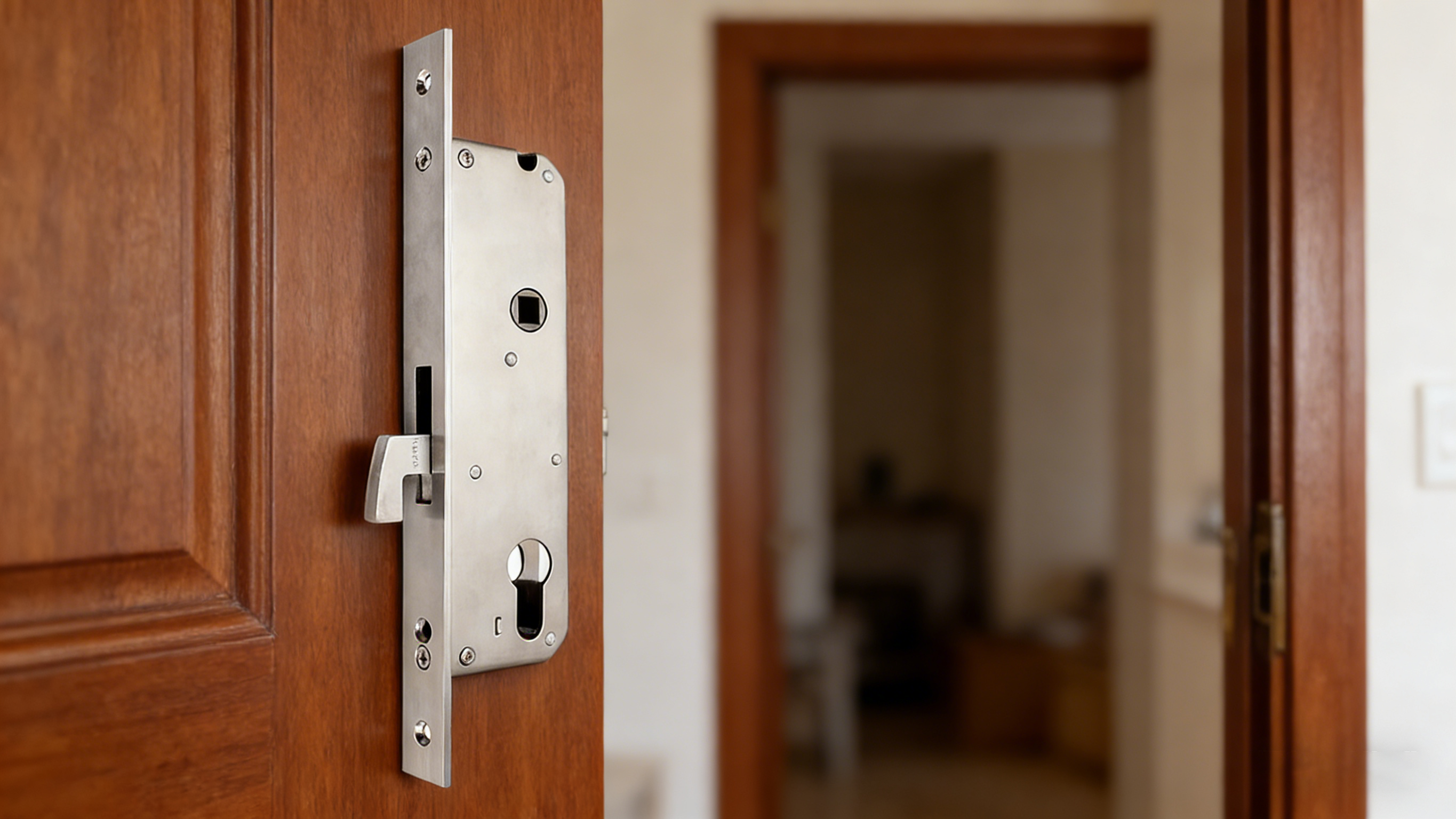
A mortise deadbolt is a specific type of locking mechanism that fits into a pocket—or "mortise"—cut into the edge of the door. Unlike a cylindrical lock, which passes through the door via a bored hole, a mortise lock is encased within the door itself.
The "deadbolt" aspect refers to the bolt mechanism. A deadbolt does not use a spring action; it must be physically moved to the locked or unlocked position using a key or a thumb turn. This makes it significantly harder to shim or force open compared to a spring latch.
When you combine these two elements, you get a locking system where the hardware is integrated into the door's structure, offering superior strength and a wider range of functions than standard locks.
How Does It Differ From a Cylindrical Deadbolt?
The main confusion usually lies in comparing mortise locks to cylindrical locks. While both secure a door, they do so in very different ways. To help you decide which is right for your project, here is a breakdown of their differences.
Feature | Mortise Deadbolt | Cylindrical Deadbolt |
Installation | Requires a rectangular pocket (mortise) cut into the door edge. | Requires two circular holes bored into the door face and edge. |
Strength | Very High. The lock body is encased in the door, providing structural reinforcement. | Moderate to High. Strength relies heavily on the latch and strike plate. |
Durability | Designed for high-traffic, heavy-duty commercial use (often millions of cycles). | Varies, but generally lower cycle counts than mortise locks. |
Versatility | High. Can include various functions (entry, classroom, night latch) in one chassis. | Limited. Usually strictly a locking/unlocking function. |
Cost | Higher initial investment for hardware and installation. | Lower cost and easier to install for DIYers. |
What Are the Key Components of a Mortise Lock?
To understand why these locks are so secure, you need to look at what is happening inside the door. A typical mortise deadbolt setup includes:
The Lock Body: A heavy-duty metal chassis installed inside the mortise pocket.
The Lock Trim: The visible levers or knobs and the cylinder collars on the outside of the door.
The Cylinder: The component where you insert the key. Mortise cylinders are threaded and screw directly into the lock body.
The Strike Plate: The metal plate installed on the door frame that receives the bolt.
Because the lock body is larger, it allows for more complex internal mechanics. This structure is what enables manufacturers like Zhongshan Toptek Security Technology Co., Ltd. to create locks that meet rigorous international standards, such as ANSI Grade 1 and EN certifications.
What Functions Can a Mortise Deadbolt Perform?
One of the biggest advantages of a mortise lock is functionality. You aren't limited to just "locked" and "unlocked." Depending on the needs of your building, you can select specific lock functions.
The Night Latch Deadbolt Lock
A popular configuration in commercial settings is the night latch deadbolt lock. In this setup, the lock features a spring latch and a deadbolt. The spring latch locks automatically when the door closes (preventing entry without a key), while the deadbolt offers an extra layer of security when engaged.
Often, these locks have a toggle switch on the door edge. This switch can hold the latch retracted (unlocked) for daytime use, turning the lock into a simple passage door. At night, the switch is flipped, the deadbolt is thrown, and the door becomes a high-security barrier. This versatility makes the night latch function ideal for businesses with fluctuating foot traffic.
Classroom and Privacy Functions
Other common functions include "Classroom Security," where the door can be locked from the inside or outside but always allows exit, and "Privacy," which includes an occupancy indicator. The modular nature of the mortise body allows these functions to be swapped or upgraded without changing the entire door preparation.
Why Is Material Selection Important?
Commercial hardware faces harsh environments. Exterior doors are exposed to rain, humidity, and temperature fluctuations, while interior doors in schools or hospitals face constant physical abuse.
The Stainless Steel Deadbolt Lock
For maximum longevity, industry experts recommend a stainless steel deadbolt lock. Stainless steel (specifically grades like 304) is naturally resistant to corrosion and rust.
A stainless steel deadbolt is not just about the finish; it is about the bolt itself. A solid stainless steel bolt resists sawing and cutting attacks much better than softer alloys. If you are installing locks in coastal areas or industrial environments, specifying stainless steel components ensures the lock will remain operational and secure for years, reducing long-term maintenance costs.
Who Should Use Mortise Deadbolts?
While you can install a mortise lock on a residential front door for a high-end look and extra security, they are the standard for:
Commercial Office Buildings: For high traffic and access control integration.
Hospitals and Schools: For durability and specific safety functions (like single-motion egress).
Hotels: For integration with electronic access control systems.
Government Facilities: Where the highest grade of security (ANSI Grade 1) is mandatory.
1
Where Can You Find High-Quality Mortise Locks?
Selecting the right manufacturer is just as important as selecting the right lock type. You need a supplier that understands international standards and quality manufacturing.
Zhongshan Toptek Security Technology Co., Ltd. has established itself as a leader in this space. With over 30 years of production experience and a 15,000-square-meter factory, Toptek specializes in both mechanical and electrified hardware solutions.
Whether you need a standard ANSI Commercial Mortise Lock or a specialized European profile lock, Toptek provides OEM and ODM services to meet specific project requirements. Their products carry certifications including UL, CE, and UKCA, ensuring they meet the fire and safety codes required for modern construction projects.
Conclusion
The mortise deadbolt is more than just a locking mechanism; it is a long-term investment in the safety and functionality of a building. By recessing the lock into the door, using robust materials like stainless steel, and offering versatile functions like the night latch, these locks provide a level of security that cylindrical locks simply cannot match.
When planning your next commercial project, look beyond the price tag and consider the lifecycle and security benefits of mortise hardware. Partnering with experienced manufacturers like Zhongshan Toptek Security Technology Co., Ltd. ensures you are getting hardware built to withstand the rigorous demands of the commercial world.
Mortise Deadbolt
night latch deadbolt lock
stainless steel deadbolt lock

 English
 العربية
 Français
 Русский
 Español
 Português
 Deutsch
 italiano
 日本語
日本語 한국어
한국어 Nederlands
 Tiếng Việt
 ไทย
ไทย Polski
 Türkçe
 አማርኛ
አማርኛ ພາສາລາວ
 ភាសាខ្មែរ
 Bahasa Melayu
 ဗမာစာ
ဗမာစာ தமிழ்
தமிழ் Filipino
 Bahasa Indonesia
 magyar
 Română
 Čeština
 Монгол
 қазақ
қазақ Српски
 हिन्दी
 فارسی
فارسی Kiswahili
 Slovenčina
 Slovenščina
 Norsk
Norsk Svenska
 українська
 Ελληνικά
 Suomi
Suomi Հայերեն
 עברית
עברית Latine
 Dansk
Dansk اردو
اردو Shqip
Shqip বাংলা
বাংলা Hrvatski
 Afrikaans
 Gaeilge
 Eesti keel
 Māori
Māori සිංහල
සිංහල नेपाली
 Oʻzbekcha
 latviešu
 অসমীয়া
 Aymara
 Azərbaycan dili
 Bamanankan
 Euskara
 Беларуская мова
 भोजपुरी
 Bosanski
 Български
 Català
 Cebuano
 Corsu
Corsu ދިވެހި
 डोग्रिड ने दी
 Esperanto
 Eʋegbe
 Frysk
Frysk Galego
 ქართული
 guarani
 ગુજરાતી
 Kreyòl ayisyen
 Hausa
Hausa ʻŌlelo Hawaiʻi
 Hmoob
Hmoob íslenska
 Igbo
Igbo Ilocano
 Basa Jawa
 ಕನ್ನಡ
ಕನ್ನಡ Kinyarwanda
 गोंगेन हें नांव
 Krio we dɛn kɔl Krio
 Kurdî
Kurdî Kurdî
Kurdî Кыргызча
 Lingala
 Lietuvių
 Oluganda
 Lëtzebuergesch
 Македонски
 मैथिली
 Malagasy
 മലയാളം
 Malti
Malti मराठी
मराठी ꯃꯦꯇꯥꯏ (ꯃꯅꯤꯄꯨꯔꯤ) ꯴.
 Mizo tawng
 Chichewa
 ଓଡ଼ିଆ
ଓଡ଼ିଆ Afaan Oromoo
 پښتو
پښتو ਪੰਜਾਬੀ
 Runasimi
 Gagana Samoa
 संस्कृत
 Gaelo Albannach
 Sepeti
 Sesotho
 chiShona
 سنڌي
سنڌي Soomaali
 Basa Sunda
 Wikang Tagalog
 Тоҷикӣ
 Татарча
 తెలుగు
 ትግንያውያን
 Xitsonga
 Türkmençe
 संस्कृत
 ئۇيغۇرچە
 Cymraeg
 isiXhosa
 ייִדיש
 Yorùbá
 isiZulu