When it comes to securing your home, the locks on your doors are your first line of defense. You've probably heard about different types of locks, but one name that often comes up in discussions about security is the mortice lock. But what exactly is a mortice lock, and how secure is it really?
Choosing the right lock can feel overwhelming with so many options on the market. This guide will explain everything you need to know about mortice locks. We'll cover how they work, what makes them secure, and how they compare to other common lock types. By the end, you'll have a clear understanding of whether a mortice lock is the right choice for protecting your property.
What is a Mortice Lock?
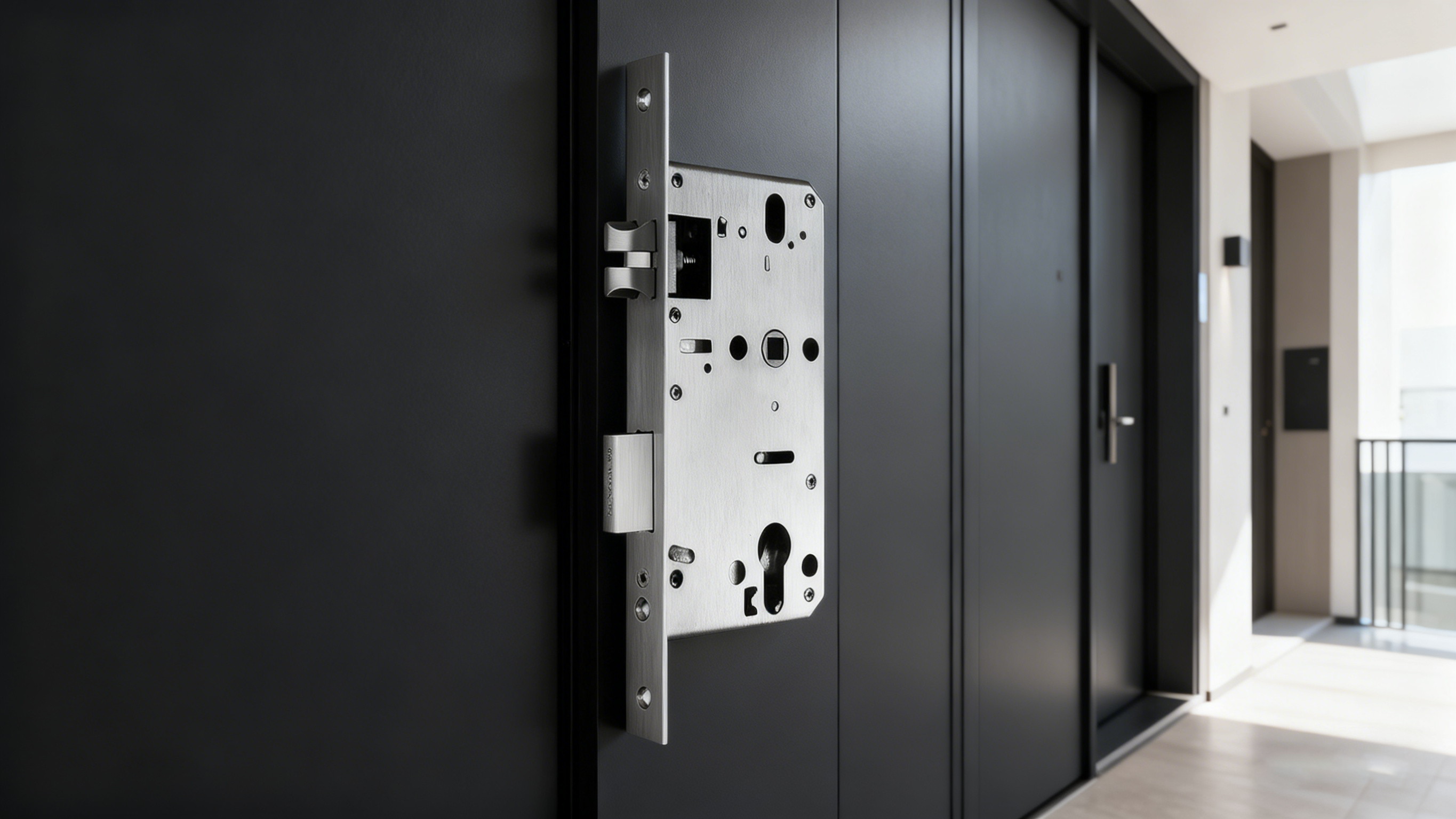
A mortice lock, also known as a mortise lock, gets its name from the way it's installed. A pocket—or mortice—is cut into the edge of a door, and the lock mechanism is fitted inside this pocket. This is different from a cylindrical or rim lock, which is attached to the surface of the door.
Because the lock body is embedded within the door itself, a mortice lock is less exposed and more integrated into the door's structure. This design is a key reason why they are often considered a more secure option. Mortice locks are commonly found on older homes and are a standard choice for external wooden doors in many parts of the world, particularly in the UK and Europe.
A typical mortice lock system includes the lock body (the part inside the door), a lock trim (such as a doorknob or handle), a strike plate (the metal plate on the door frame), and a key cylinder where you insert the key.
How Do Mortice Locks Work?
The security of a mortice lock comes from its internal mechanism. When you turn the key, it operates a lever system inside the lock body. These levers must be lifted to the correct height by the key's unique shape to allow the bolt to slide into or out of the strike plate on the door frame.
The number of levers inside the lock is a crucial factor in its security level. A 2-lever mortice lock is considered basic and is generally only suitable for internal doors where high security isn't a priority. A 5-lever mortice lock, on the other hand, offers a much higher level of security. The increased number of levers makes it significantly more difficult for someone to pick the lock, as they would need to manipulate all five levers into the correct position simultaneously.
For even greater protection, many modern 5-lever mortice locks are designed to meet specific security standards, such as the British Standard BS 3621. These certified locks have undergone rigorous testing to resist common break-in methods like drilling and picking.
Are Mortice Locks Secure?
The short answer is yes, high-quality mortice locks are very secure. Their robust design and installation method make them a formidable barrier against forced entry. Here’s a breakdown of what makes them a strong choice for home security:
Key Security Features
Integrated Design: Because the lock is fitted inside the door, it’s protected from direct physical attacks like hammering or prying. An intruder cannot simply knock the lock off the door.
Lever System: The multi-lever mechanism is inherently difficult to pick. A 5-lever or 7-lever lock provides thousands of potential key combinations, making it a serious challenge for even experienced lock pickers.
Deadbolt Strength: Mortice locks typically feature a strong, thick deadbolt that extends deep into the door frame. This provides excellent resistance against attempts to kick or force the door open.
Hardened Steel Components: Locks certified to standards like BS 3621 often include anti-drill plates and hardened steel bolts, which protect the lock's internal mechanism from being drilled out.
The Importance of Levers
As mentioned, the number of levers directly correlates with the lock's security.
2-Lever and 3-Lever Locks: These offer minimal security and should only be used for interior doors like bedrooms or bathrooms. They can be easily picked with simple tools.
5-Lever Locks: This is the recommended minimum for external doors. They provide a good balance of security and affordability. When choosing a 5-lever lock, look for one that is BS 3621 certified, as this is often a requirement for home insurance policies.
7-Lever Locks and Beyond: These offer an even higher level of security, but they are less common for residential properties and are often used for commercial or high-security applications.
1
Mortice Locks vs. Other Lock Types
How does a mortice lock stack up against other common residential locks?
Mortice Lock vs. Rim Cylinder Lock
Rim cylinder locks, often called Yale locks or night latches, are mounted on the surface of the door's interior. While they are convenient for everyday use, they are generally less secure than a 5-lever mortice lock. The lock is more exposed, and the latch is often shorter and less robust than a mortice deadbolt. For this reason, a rim lock is typically used as a secondary lock in conjunction with a mortice lock on an external door.
Mortice Lock vs. Euro Cylinder Lock
Euro cylinder locks are another popular choice, commonly found on uPVC and composite doors. They are barrel-shaped and can be easily replaced without having to change the entire lock mechanism. While convenient, standard Euro cylinders can be vulnerable to a method of attack known as "lock snapping," where the cylinder is broken in half.
To counter this, you can install anti-snap Euro cylinders, which are designed to withstand this type of force. A high-quality, anti-snap Euro cylinder can offer a level of security comparable to a 5-lever mortice lock. The choice between them often comes down to the type of door you have—mortice locks are for wooden doors, while Euro cylinders are for uPVC/composite doors.
Making Your Decision
Mortice locks have a long-standing reputation for being a secure and reliable choice for home protection, and for good reason. Their strong, integrated design and complex lever mechanism make them highly resistant to common break-in techniques.
When choosing a lock for your external doors, a 5-lever mortice lock certified to BS 3621 standards is an excellent investment in your home's security. It provides a level of protection that will deter most intruders and may even be required by your home insurance provider.
While no lock is 100% impenetrable, a high-quality mortice lock, correctly installed, offers one of the best defenses you can have. By pairing it with a strong door and frame, you create a powerful barrier that helps keep your home and family safe.
Mortice Locks
toptek lock
panic mortise lock

 English
 العربية
 Français
 Русский
 Español
 Português
 Deutsch
 italiano
 日本語
日本語 한국어
한국어 Nederlands
 Tiếng Việt
 ไทย
ไทย Polski
 Türkçe
 አማርኛ
አማርኛ ພາສາລາວ
 ភាសាខ្មែរ
 Bahasa Melayu
 ဗမာစာ
ဗမာစာ தமிழ்
தமிழ் Filipino
 Bahasa Indonesia
 magyar
 Română
 Čeština
 Монгол
 қазақ
қазақ Српски
 हिन्दी
 فارسی
فارسی Kiswahili
 Slovenčina
 Slovenščina
 Norsk
Norsk Svenska
 українська
 Ελληνικά
 Suomi
Suomi Հայերեն
 עברית
עברית Latine
 Dansk
Dansk اردو
اردو Shqip
Shqip বাংলা
বাংলা Hrvatski
 Afrikaans
 Gaeilge
 Eesti keel
 Māori
Māori සිංහල
සිංහල नेपाली
 Oʻzbekcha
 latviešu
 অসমীয়া
 Aymara
 Azərbaycan dili
 Bamanankan
 Euskara
 Беларуская мова
 भोजपुरी
 Bosanski
 Български
 Català
 Cebuano
 Corsu
Corsu ދިވެހި
 डोग्रिड ने दी
 Esperanto
 Eʋegbe
 Frysk
Frysk Galego
 ქართული
 guarani
 ગુજરાતી
 Kreyòl ayisyen
 Hausa
Hausa ʻŌlelo Hawaiʻi
 Hmoob
Hmoob íslenska
 Igbo
Igbo Ilocano
 Basa Jawa
 ಕನ್ನಡ
ಕನ್ನಡ Kinyarwanda
 गोंगेन हें नांव
 Krio we dɛn kɔl Krio
 Kurdî
Kurdî Kurdî
Kurdî Кыргызча
 Lingala
 Lietuvių
 Oluganda
 Lëtzebuergesch
 Македонски
 मैथिली
 Malagasy
 മലയാളം
 Malti
Malti मराठी
मराठी ꯃꯦꯇꯥꯏ (ꯃꯅꯤꯄꯨꯔꯤ) ꯴.
 Mizo tawng
 Chichewa
 ଓଡ଼ିଆ
ଓଡ଼ିଆ Afaan Oromoo
 پښتو
پښتو ਪੰਜਾਬੀ
 Runasimi
 Gagana Samoa
 संस्कृत
 Gaelo Albannach
 Sepeti
 Sesotho
 chiShona
 سنڌي
سنڌي Soomaali
 Basa Sunda
 Wikang Tagalog
 Тоҷикӣ
 Татарча
 తెలుగు
 ትግንያውያን
 Xitsonga
 Türkmençe
 संस्कृत
 ئۇيغۇرچە
 Cymraeg
 isiXhosa
 ייִדיש
 Yorùbá
 isiZulu