If you are a property manager, a business owner, or a homeowner with a vintage door, you have likely encountered a mortise lock. These robust, boxy locksets are known for their durability and security. However, when a key is lost or an employee leaves, you might face a dilemma: do you need to replace the entire expensive lock body, or can you simply swap out the cylinder?
The short answer is yes, mortise cylinders are generally interchangeable. This is one of the greatest advantages of the mortise lock system. The industry has standardized the dimensions and threading of these cylinders, allowing you to mix and match brands with relative ease. You can typically install a Schlage cylinder into a Yale lock body, or a high-security Medeco cylinder into a standard generic lock case.
However, "interchangeable" does not mean "universal." While the cylinder will almost certainly screw into the lock, several variable factors—such as the cam, the length, and the finish—must align for the lock to function correctly. This guide explores the nuances of mortise cylinders to help you make the right switch without compromising your security.
The Standardization of the Mortise Cylinder
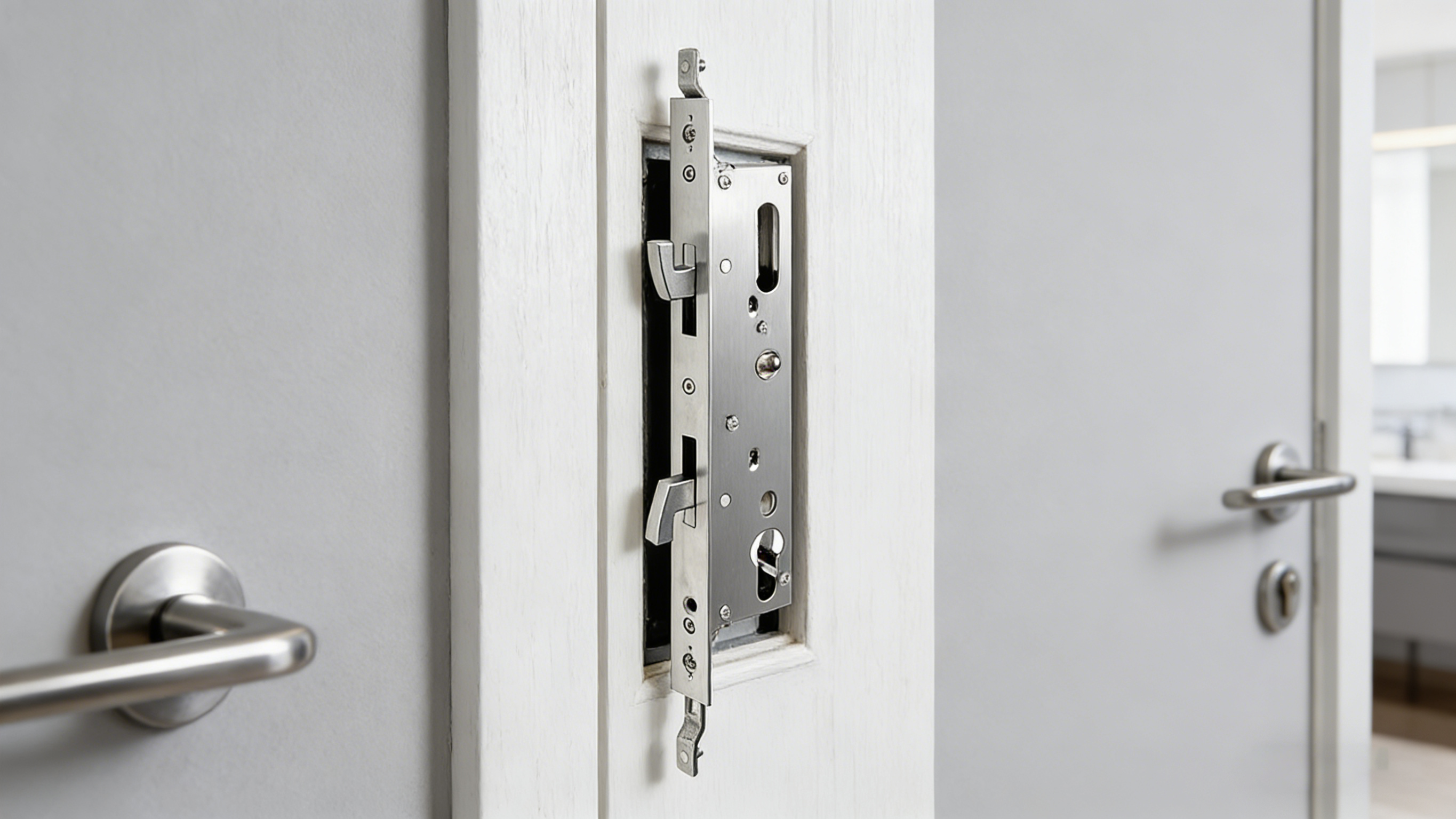
To understand why these components are interchangeable, you have to look at how they are built. Unlike cylindrical locks (where the keyhole is part of the knob or lever), a mortise lock consists of a large rectangular body installed inside a pocket (mortise) cut into the door edge. The cylinder is a separate component that threads into this body.
The lock industry adopted a specific standard for this threading: 1.150 x 32 UNS.
Because practically every major lock manufacturer utilizes this thread pitch and diameter, the physical act of screwing a new cylinder into an old lock body is rarely an issue. Whether you are dealing with hardware from the 1950s or a modern smart lock setup, the threads will likely match. This standardization allows for immense flexibility, letting you upgrade security levels or change keyways without removing the hardware from the door.
The Critical Variable: The Cam
While the threads may be standard, the back of the cylinder is not. The "cam" is the small metal tailpiece attached to the back of the mortise cylinder. When you turn your key, the cylinder rotates the cam, which in turn engages the lock mechanism to retract or throw the bolt.
Cams are the most common reason a replacement cylinder fails to operate a lock. If the cam is the wrong shape or size, it will spin freely without catching the bolt mechanism, or it will jam the lock entirely.
Common Cam Types
Standard Cam (Yale Cam): This is the most frequently used cam in residential and light commercial applications. It looks like a teardrop or a simple lobe.
Adams Rite Cam: Distinctly different from the standard cam, this is often found on aluminum storefront doors. It has a specific shape designed to work with narrow stile locks.
Cloverleaf Cam: Shaped somewhat like a clover, this is often found on specific high-security locks like Corbin Russwin.
The Good News: Cams are usually removable. If you buy a new mortise cylinder and it comes with the wrong cam, you can often unscrew the two small screws on the back of the cylinder and swap it with the cam from your old cylinder.
Cylinder Length and Door Thickness
Another factor that affects interchangeability is the length of the cylinder. Mortise cylinders are sold in various lengths, typically ranging from 1 inch to over 2 inches.
The required length depends on two things: the thickness of your door and the presence of any trim rings or escutcheons (the decorative plates around the lock).
Too Short: The cylinder won't reach deep enough into the lock body to engage the mechanism, or it will sit recessed in the door, making it difficult to use.
Too Long: The cylinder will stick out too far from the door face. This is not only aesthetically displeasing but also a major security risk, as it makes the cylinder vulnerable to being gripped and wrenched off with pliers.
When replacing a cylinder, measure the existing one from the back of the face (the head) to the center of the cam. Try to match this measurement exactly. If you are stuck with a cylinder that is slightly too long, you can use "blocking rings" or spacers to pad it out for a flush fit.
Keyways and Security Levels
One of the main reasons people swap mortise cylinders is to change the keyway. Perhaps you want all your building's locks to open with a single key, but your current front door uses a different brand.
Because mortise cylinders are interchangeable, you can buy a replacement cylinder that matches your preferred key system. For example, if your house is keyed to Kwikset (KW1) but your front door has a commercial mortise lock, you can purchase a mortise cylinder with a KW1 keyway. This allows you to key the heavy-duty front door to match the rest of your residential locks.
This also applies to security upgrades. You can remove a standard cylinder and replace it with a high-security, pick-resistant cylinder (like those from Mul-T-Lock or Medeco) without changing the rest of the lock hardware.
How to Replace a Mortise Cylinder
Replacing these cylinders is surprisingly simple and rarely requires a locksmith if you have the correct part.
Open the Door: You cannot remove the cylinder while the door is closed.
Locate the Faceplate: Look at the edge of the door (where the latch comes out). There is usually a metal faceplate covering the lock mechanism.
Find the Set Screw: Remove the faceplate (usually held on by two screws). Behind it, looking directly into the lock body at the same level as the cylinder, you will see a large set screw.
Loosen, Don’t Remove: Turn the set screw counter-clockwise to loosen it. You do not need to take it all the way out; just loosen it enough to release the tension on the cylinder.
Unscrew the Cylinder: Insert your key partway into the cylinder to use as a handle, or use a pair of pliers with a cloth to protect the finish. Unscrew the cylinder counter-clockwise.
Install the New Cylinder: Thread the new unit in clockwise. Be careful not to cross-thread it. Screw it in until it is flush with the door or trim ring, and the keyway is vertical (at the 6 o'clock position).
Tighten and Test: Tighten the set screw on the edge of the door. Replace the faceplate. Test the lock with the door open first to ensure the cam is engaging the bolt correctly.
1
Common Interchangeability Mistakes
Even though the system is designed for compatibility, things can go wrong. Avoid these common pitfalls:
Forcing the Threads: The threads on the cylinder and the lock body are often brass or zinc. If you encounter resistance, back off. Forcing it can strip the threads, ruining the expensive lock body.
Ignoring the Cam Direction: Some cams are directional. If you install the cam upside down on the back of the cylinder, the key may turn the wrong way or fail to retract the bolt.
Over-Tightening the Set Screw: This can warp the cylinder shell slightly, making the key difficult to turn. Tighten it just enough to hold the cylinder firm.
1
Frequently Asked Questions
Can I put a rim cylinder in a mortise lock?
No. Rim cylinders and mortise cylinders look similar from the front, but they mount differently. Rim cylinders have long screws that go through the door from the back, whereas mortise cylinders are threaded and screw directly into the lock case. They are not interchangeable.
How do I know which cam I need?
The easiest way is to remove your existing cylinder and look at the back. Compare the shape of the cam to charts available online or take the old cylinder to a locksmith shop to find a match.
Can I swap a thumbturn for a keyed cylinder?
Yes. On the interior side of a mortise lock, you often have a choice between a keyed cylinder (double cylinder) or a thumbturn. As long as the lock body is designed for it, these are interchangeable components.
Upgrading Your Security
The interchangeability of mortise cylinders is a massive benefit for property owners. It offers a modular approach to security, allowing you to upgrade, repair, or re-key your entry points without the expense of replacing the entire hardware assembly.
By paying attention to the cam shape, the cylinder length, and the finish, you can easily refresh your locks. Whether you are looking to simplify your keyring or upgrade to high-security restricted keys, the humble mortise cylinder offers a flexible solution that fits right into your existing door.
Mortise Lock Cylinder
Mortise Cylinder
commercial lock cylinder

 English
 العربية
 Français
 Русский
 Español
 Português
 Deutsch
 italiano
 日本語
日本語 한국어
한국어 Nederlands
 Tiếng Việt
 ไทย
ไทย Polski
 Türkçe
 አማርኛ
አማርኛ ພາສາລາວ
 ភាសាខ្មែរ
 Bahasa Melayu
 ဗမာစာ
ဗမာစာ தமிழ்
தமிழ் Filipino
 Bahasa Indonesia
 magyar
 Română
 Čeština
 Монгол
 қазақ
қазақ Српски
 हिन्दी
 فارسی
فارسی Kiswahili
 Slovenčina
 Slovenščina
 Norsk
Norsk Svenska
 українська
 Ελληνικά
 Suomi
Suomi Հայերեն
 עברית
עברית Latine
 Dansk
Dansk اردو
اردو Shqip
Shqip বাংলা
বাংলা Hrvatski
 Afrikaans
 Gaeilge
 Eesti keel
 Māori
Māori සිංහල
සිංහල नेपाली
 Oʻzbekcha
 latviešu
 অসমীয়া
 Aymara
 Azərbaycan dili
 Bamanankan
 Euskara
 Беларуская мова
 भोजपुरी
 Bosanski
 Български
 Català
 Cebuano
 Corsu
Corsu ދިވެހި
 डोग्रिड ने दी
 Esperanto
 Eʋegbe
 Frysk
Frysk Galego
 ქართული
 guarani
 ગુજરાતી
 Kreyòl ayisyen
 Hausa
Hausa ʻŌlelo Hawaiʻi
 Hmoob
Hmoob íslenska
 Igbo
Igbo Ilocano
 Basa Jawa
 ಕನ್ನಡ
ಕನ್ನಡ Kinyarwanda
 गोंगेन हें नांव
 Krio we dɛn kɔl Krio
 Kurdî
Kurdî Kurdî
Kurdî Кыргызча
 Lingala
 Lietuvių
 Oluganda
 Lëtzebuergesch
 Македонски
 मैथिली
 Malagasy
 മലയാളം
 Malti
Malti मराठी
मराठी ꯃꯦꯇꯥꯏ (ꯃꯅꯤꯄꯨꯔꯤ) ꯴.
 Mizo tawng
 Chichewa
 ଓଡ଼ିଆ
ଓଡ଼ିଆ Afaan Oromoo
 پښتو
پښتو ਪੰਜਾਬੀ
 Runasimi
 Gagana Samoa
 संस्कृत
 Gaelo Albannach
 Sepeti
 Sesotho
 chiShona
 سنڌي
سنڌي Soomaali
 Basa Sunda
 Wikang Tagalog
 Тоҷикӣ
 Татарча
 తెలుగు
 ትግንያውያን
 Xitsonga
 Türkmençe
 संस्कृत
 ئۇيغۇرچە
 Cymraeg
 isiXhosa
 ייִדיש
 Yorùbá
 isiZulu