Home security often comes down to the smallest details. While heavy doors and alarm systems are excellent deterrents, the integrity of your lock is the first line of defense. Among the most secure and durable options available is the mortise lock. Found commonly in commercial buildings and older residential homes, these locks are renowned for their strength. However, they can be intimidating to service due to their complex internal mechanisms.
If you need to change your locks or upgrade your security, knowing how to set a mortise cylinder properly is a valuable skill. It saves you the cost of a locksmith and ensures your hardware functions smoothly for years. This guide walks you through the entire process, from understanding the components to the final safety checks.
Understanding the Mortise Lock System
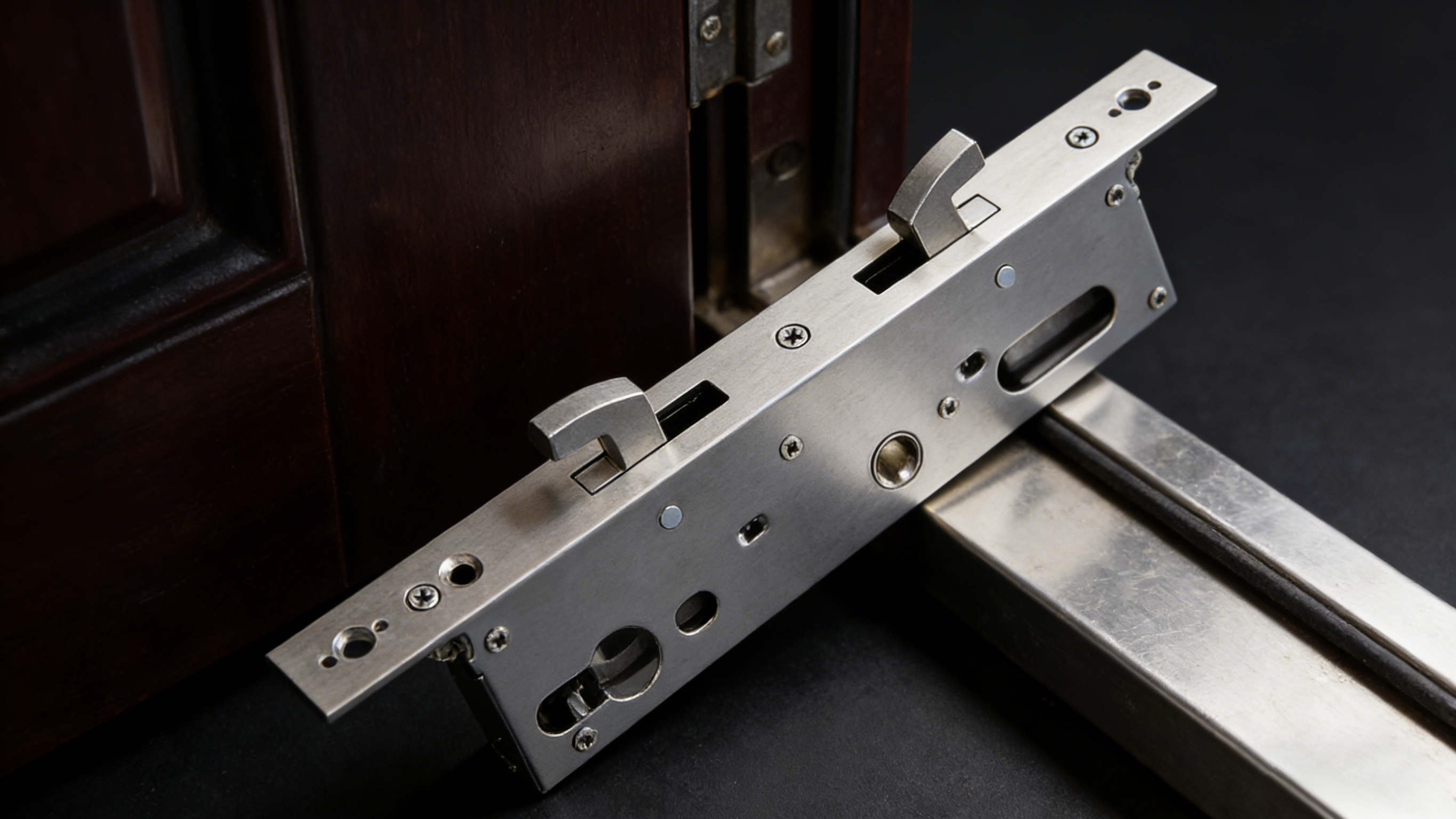
Before picking up a screwdriver, it helps to understand what you are working with. Unlike cylindrical locks (the standard knobs or levers found on most bedroom doors), a mortise lock is recessed into a pocket cut into the edge of the door.
The mortise cylinder itself is the threaded circular component where you insert your key. It screws directly into the lock body inside the door. On the back of this cylinder is a rotating piece of metal called a "cam." When you turn your key, the cam rotates and engages the lock mechanism to retract or throw the bolt.
Because the cylinder relies on precise threading and alignment, installing it incorrectly can lead to a lock that won't open—or worse, one that compromises the security of the door.
Tools and Preparation
Setting a cylinder is straightforward if you have the right tools. You won't need heavy machinery, but you will need patience and precision.
Required Tools:
Flathead or Phillips Head Screwdriver: Depending on the screws used on your lock’s faceplate.
The Key: You usually need the key inserted to help turn the cylinder during installation.
New Mortise Cylinder: Ensure you have the correct length and cam type for your specific lock body.
A Note on Cams: Not all cams are universal. The cam is the flat metal tail on the back of the cylinder. Standard cams work for most residential mortise locks, but some brands (like Yale or Corbin Russwin) use specific shapes. Before installation, compare the cam on your old cylinder with the new one to ensure they match.
Step-by-Step Installation Guide
Follow these steps carefully to ensure a secure fit and smooth operation.
1. Remove the Faceplate
Locate the metal plate on the edge of the door (where the bolt comes out). This is called the faceplate or armor front. It is typically held in place by two screws. Remove these screws and take the faceplate off to reveal the mounting screws and the lock mechanism inside.
2. Loosen the Set Screw
Look for a screw on the side of the lock body, roughly in line with where the cylinder sits. This is the mounting screw or "set screw." Its job is to clamp down on the cylinder to keep it from unscrewing.
Using your screwdriver, loosen this screw. Do not remove it completely. You only need to loosen it enough to relieve the tension on the cylinder threads. If you are removing an old cylinder first, turn it counter-clockwise to unscrew it once this screw is loose.
3. Prepare the New Cylinder
Insert the operating key into your new mortise cylinder. This serves two purposes: it gives you a handle to hold onto while threading the cylinder, and it ensures the pins are set correctly during the process.
4. Thread the Cylinder
Carefully insert the cylinder into the hole on the door's surface. You want to avoid cross-threading, which can damage the lock body permanently.
Hold the key and begin turning the cylinder clockwise.
It should turn smoothly without significant resistance. If it fights you, back it out and try again.
Screw it in until the cylinder face is flush with the trim ring or escutcheon plate on the door surface.
1
5. Align the Keyway
This is the most critical step. You cannot simply tighten the cylinder at any angle. The keyway (the slot where the key goes) must be vertical, usually at the 6 o'clock position.
If you screw it in too far, the cam might hit the back of the lock case, preventing the key from turning.
If it is not screwed in far enough, the key might turn, but the cam won't engage the bolt mechanism.
Find the "sweet spot" where the cylinder is flush, the keyway is vertical, and the key turns freely to operate the bolt.
1
6. Tighten the Set Screw
Once the cylinder is aligned correctly, go back to the edge of the door. Tighten the set screw you loosened in Step 2.
Warning: Do not overtighten! The cylinder is made of brass or zinc, which are relatively soft metals. Cranking the set screw too hard can deform the cylinder shell, causing the inner plug to bind. Tighten it just enough so the cylinder cannot be unscrewed by hand.
1
7. Test and Reassemble
Before putting the faceplate back on, test the lock with the door open.
Throw the deadbolt and retract it.
Ensure the key inserts and removes smoothly.
Check that the latch moves freely.
If everything works, reattach the faceplate on the edge of the door.
Troubleshooting Common Issues
Even with careful installation, issues can arise. Here are solutions to common problems when setting a mortise cylinder.
The key is hard to turn
This usually happens if the set screw is too tight. Loosen the set screw slightly (about a quarter turn) and test the key again. If the cylinder shell was compressed, this should free up the plug.
The key spins but doesn't unlock the door
This indicates a cam issue. Either the cam is the wrong shape for your lock body, or the cylinder isn't screwed in deep enough for the cam to reach the actuator. Remove the cylinder and check the cam type. If the cam is correct, try screwing the cylinder in one more rotation.
The cylinder wobbles
If the cylinder moves when you insert the key, the set screw isn't tight enough, or the grooves on the side of the cylinder aren't aligned with the set screw. Ensure the cylinder is screwed in fully and vertically before tightening the screw.
The key won't come out
This usually means the cylinder is not oriented correctly. The pins inside the cylinder need to align perfectly for the key to be removed. Ensure the keyway is perfectly vertical (12 o'clock or 6 o'clock position) when in the resting state.
Why Choose a Mortise Lock?
If you are debating whether to keep your mortise lock or switch to a standard cylindrical lock, consider the benefits of keeping the mortise hardware.
Superior Strength: The lock body is encased inside the door, providing more structural integrity against kick-ins compared to standard deadbolts.
Longevity: These locks are designed for high-traffic commercial use, meaning a residential mortise lock can easily last decades with proper maintenance.
Flexibility: Because the mortise cylinder is a separate component, you can easily rekey your home or upgrade to high-security cylinders without replacing the entire expensive lock body.
Frequently Asked Questions
Can I replace a mortise cylinder without a locksmith?
Yes, absolutely. As long as you have the correct replacement cylinder (correct length and cam), the process requires only a screwdriver and about ten minutes of your time.
How do I know what size mortise cylinder I need?
Mortise cylinders come in various lengths, typically ranging from 1 inch to 1-1/4 inches or longer. The length you need depends on the thickness of your door and the trim (rosettes or escutcheons) you are using. The best way to measure is to remove your old cylinder and measure from the back of the cam to the face of the cylinder.
What is the difference between a mortise cylinder and a rim cylinder?
While they look similar, they mount differently. A mortise cylinder has threads on the outside and screws into the lock body. A rim cylinder (used on surface-mounted locks like night latches) has long screws that go through the door from the back to hold it in place.
Securing Your Entryway
Learning how to set a cylinder in a mortise lock empowers you to maintain your home's security on your own terms. Whether you are recovering from a lost key or simply upgrading to a high-security keyway, the process is manageable for any DIY enthusiast.
Remember that the lock is only as good as the installation. Take your time aligning the cylinder, ensure the set screw is snug but not crushing, and always test with the door open. With these steps, your entryway will remain both secure and functional.
panic mortise lock
mortise cylinders
Mortise Lock

 English
 العربية
 Français
 Русский
 Español
 Português
 Deutsch
 italiano
 日本語
日本語 한국어
한국어 Nederlands
 Tiếng Việt
 ไทย
ไทย Polski
 Türkçe
 አማርኛ
አማርኛ ພາສາລາວ
 ភាសាខ្មែរ
 Bahasa Melayu
 ဗမာစာ
ဗမာစာ தமிழ்
தமிழ் Filipino
 Bahasa Indonesia
 magyar
 Română
 Čeština
 Монгол
 қазақ
қазақ Српски
 हिन्दी
 فارسی
فارسی Kiswahili
 Slovenčina
 Slovenščina
 Norsk
Norsk Svenska
 українська
 Ελληνικά
 Suomi
Suomi Հայերեն
 עברית
עברית Latine
 Dansk
Dansk اردو
اردو Shqip
Shqip বাংলা
বাংলা Hrvatski
 Afrikaans
 Gaeilge
 Eesti keel
 Māori
Māori සිංහල
සිංහල नेपाली
 Oʻzbekcha
 latviešu
 অসমীয়া
 Aymara
 Azərbaycan dili
 Bamanankan
 Euskara
 Беларуская мова
 भोजपुरी
 Bosanski
 Български
 Català
 Cebuano
 Corsu
Corsu ދިވެހި
 डोग्रिड ने दी
 Esperanto
 Eʋegbe
 Frysk
Frysk Galego
 ქართული
 guarani
 ગુજરાતી
 Kreyòl ayisyen
 Hausa
Hausa ʻŌlelo Hawaiʻi
 Hmoob
Hmoob íslenska
 Igbo
Igbo Ilocano
 Basa Jawa
 ಕನ್ನಡ
ಕನ್ನಡ Kinyarwanda
 गोंगेन हें नांव
 Krio we dɛn kɔl Krio
 Kurdî
Kurdî Kurdî
Kurdî Кыргызча
 Lingala
 Lietuvių
 Oluganda
 Lëtzebuergesch
 Македонски
 मैथिली
 Malagasy
 മലയാളം
 Malti
Malti मराठी
मराठी ꯃꯦꯇꯥꯏ (ꯃꯅꯤꯄꯨꯔꯤ) ꯴.
 Mizo tawng
 Chichewa
 ଓଡ଼ିଆ
ଓଡ଼ିଆ Afaan Oromoo
 پښتو
پښتو ਪੰਜਾਬੀ
 Runasimi
 Gagana Samoa
 संस्कृत
 Gaelo Albannach
 Sepeti
 Sesotho
 chiShona
 سنڌي
سنڌي Soomaali
 Basa Sunda
 Wikang Tagalog
 Тоҷикӣ
 Татарча
 తెలుగు
 ትግንያውያን
 Xitsonga
 Türkmençe
 संस्कृत
 ئۇيغۇرچە
 Cymraeg
 isiXhosa
 ייִדיש
 Yorùbá
 isiZulu