A malfunctioning or outdated lock can compromise the security of your property. While calling a locksmith is always an option, changing a mortise lock cylinder is a straightforward task you can often handle yourself. With the right tools and a little patience, you can enhance your security and save on professional fees.
This guide will walk you through everything you need to know about replacing mortise cylinders. We'll cover the tools required, provide a step-by-step process for removing the old cylinder and installing the new one, and offer tips to ensure a smooth and successful replacement. By the end of this post, you'll have the confidence to tackle this common home maintenance project.
What is a Mortise Lock?
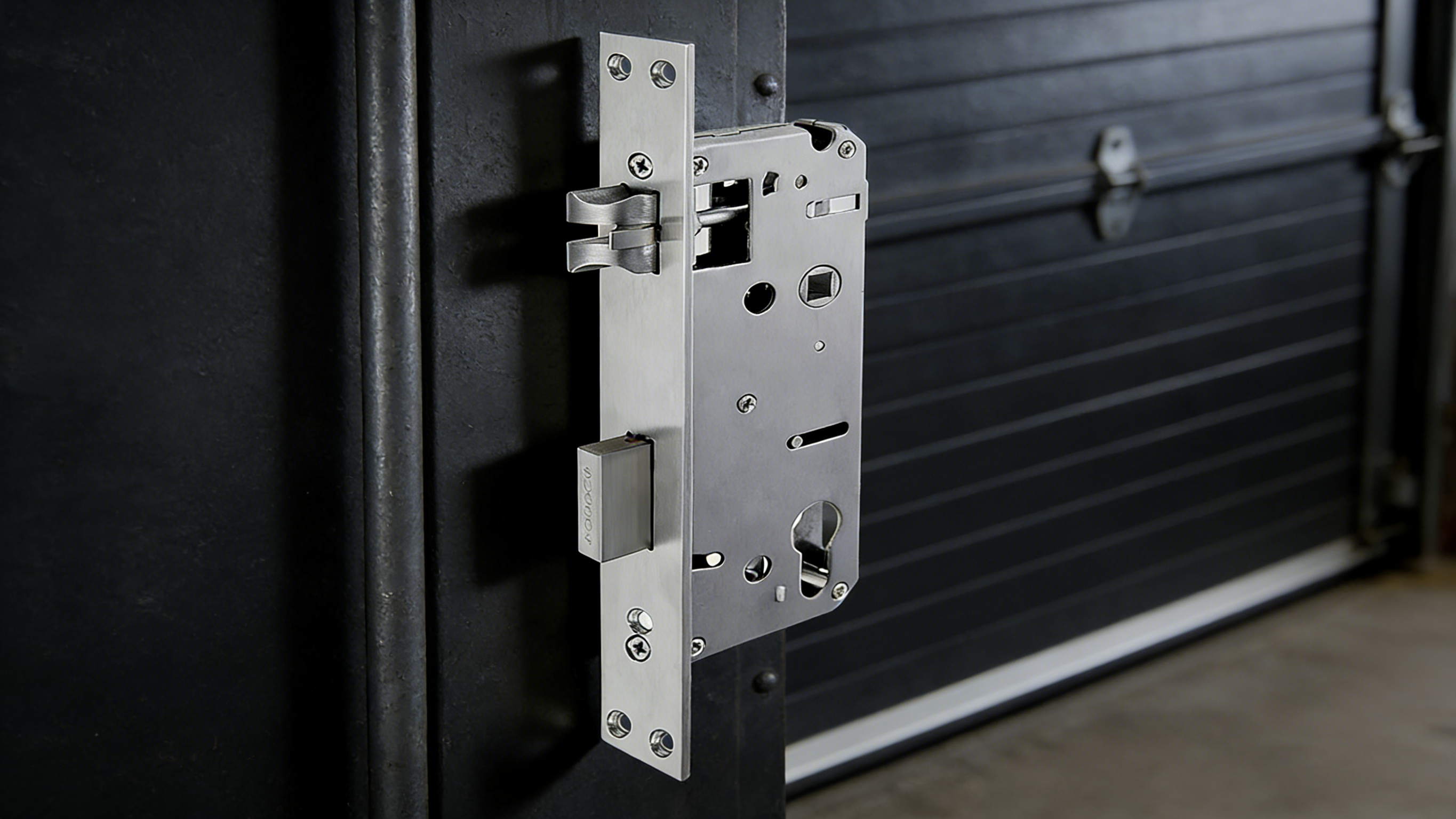
Before jumping into the replacement process, it’s helpful to understand what a mortise lock is. Unlike more common cylindrical locks, a mortise lock consists of a large, rectangular body (the lockset) that fits into a pocket, or "mortise," cut into the edge of a door. The lock cylinder is a separate, threaded component that screws into this lockset and contains the keyway and pins.
These locks are known for their durability and strength, making them a popular choice for commercial buildings, apartment complexes, and high-end residential properties. The key feature to remember is that the cylinder can be replaced without having to change the entire lockset, which is both convenient and cost-effective.
Tools and Materials You'll Need
Gathering your tools before you start will make the process much smoother. You won't need a lot of specialized equipment for this job. Here's a list of what you should have on hand:
New Mortise Cylinder: Ensure you have the correct replacement cylinder. They come in various lengths and finishes, so match it to your existing hardware or desired style.
Screwdriver: A Phillips head and a flathead screwdriver will cover most scenarios. The main screw you'll be dealing with is the set screw.
Mortise Lock Key or Cylinder Removal Tool: A special-purpose tool is available for this, but the key that operates the lock often works just as well to help turn the cylinder.
Pliers (Optional): A pair of needle-nose or standard pliers might be useful for gripping the cylinder if it's tight.
Measuring Tape: To ensure you purchase the correct size replacement cylinder.
1
How to Choose the Right Mortise Cylinder
Selecting the correct replacement cylinder is the most critical step. If you get the wrong size or type, it simply won't work. Here's how to ensure you pick the right one:
1. Measure the Cylinder Length
The length of the mortise cylinder needs to match the thickness of your door and faceplate. To measure your existing cylinder, open the door and measure from the faceplate to the end of the cylinder on the inside. Standard sizes typically range from 1 inch to 2 inches, increasing in 1/8-inch increments.
2. Check the Cam Type
The cam is a small lever on the back of the cylinder that interacts with the lock's internal mechanism to retract the bolt. There are several types of cams (e.g., standard, Adams Rite, cloverleaf). Remove your old cylinder first and take a photo of the cam or bring the old cylinder with you to the hardware store to ensure you get an exact match. Using the wrong cam will prevent the lock from functioning.
3. Choose the Finish
While not critical for function, you'll want the finish of the new cylinder (e.g., brass, chrome, matte black) to match the rest of your door hardware for a cohesive look.
Step-by-Step Guide to Changing a Mortise Cylinder
With your tools and new cylinder ready, it's time to get started. Follow these steps carefully for a hassle-free replacement.
Step 1: Locate and Loosen the Set Screw
Open the door so you can access its edge. Look for the mortise lock faceplate. On this plate, usually located between the latch and the deadbolt, you will find a small set screw. This screw is responsible for holding the mortise cylinder in place.
Using the appropriate screwdriver (usually a flathead), turn the set screw counter-clockwise. You don't need to remove the screw completely; just loosen it enough (a few turns should do) so that it no longer presses against the cylinder's threads. If you loosen it too much and it falls into the door, you may have to remove the entire lockset to retrieve it.
Step 2: Remove the Old Mortise Cylinder
Once the set screw is loose, the cylinder can be unscrewed from the lock body. Insert the key into the cylinder and turn it slightly (about 10-15 degrees) to align the cam properly, which allows the cylinder to turn.
Using the key for leverage, begin turning the entire cylinder counter-clockwise. It should start to unthread from the lock body. If it’s been in place for a long time, it might be stiff. You can use pliers to get a better grip, but be sure to wrap the cylinder in a cloth to prevent scratching the finish if you plan to reuse it. Continue unscrewing until it's completely free from the door.
Step 3: Prepare and Install the New Cylinder
Take your new mortise cylinder and insert the key. Just like with the old one, turn the key slightly to position the cam correctly for installation.
Carefully insert the new cylinder into the hole in the door and begin turning it clockwise. Make sure it threads smoothly into the lock body. If you feel resistance, back it out and try again to avoid cross-threading, which can damage the lock.
Screw the cylinder in until it is flush with the door's escutcheon plate or trim ring. It should be snug but not overly tight. The goal is for it to sit securely without protruding too far.
Step 4: Tighten the Set Screw
With the new cylinder in place, return to the edge of the door. Turn the set screw clockwise until it is tight. This will secure the cylinder and prevent it from being unscrewed from the outside. Be careful not to overtighten, as this could damage the threads on the screw or the cylinder.
Step 5: Test the Lock
The final step is to test your work. With the door still open, use the key to lock and unlock the deadbolt several times. Ensure the key turns smoothly and the bolt extends and retracts fully. Also, test any thumbturns or other mechanisms associated with the lock. If everything works as expected, you have successfully changed your mortise lock cylinder.
Secure Your Space
Changing a mortise lock cylinder is an accessible DIY project that can significantly boost your property's security and give you peace of mind. By following these steps, you can confidently replace an old or compromised lock without the need for a professional. Remember to double-check your measurements and match the cam type to ensure you have the right parts before you begin.
For more home security tips and DIY guides, be sure to explore our other blog posts.
Mortise Lock Cylinder
mortise cylinders
mortice deadlock

 English
 العربية
 Français
 Русский
 Español
 Português
 Deutsch
 italiano
 日本語
日本語 한국어
한국어 Nederlands
 Tiếng Việt
 ไทย
ไทย Polski
 Türkçe
 አማርኛ
አማርኛ ພາສາລາວ
 ភាសាខ្មែរ
 Bahasa Melayu
 ဗမာစာ
ဗမာစာ தமிழ்
தமிழ் Filipino
 Bahasa Indonesia
 magyar
 Română
 Čeština
 Монгол
 қазақ
қазақ Српски
 हिन्दी
 فارسی
فارسی Kiswahili
 Slovenčina
 Slovenščina
 Norsk
Norsk Svenska
 українська
 Ελληνικά
 Suomi
Suomi Հայերեն
 עברית
עברית Latine
 Dansk
Dansk اردو
اردو Shqip
Shqip বাংলা
বাংলা Hrvatski
 Afrikaans
 Gaeilge
 Eesti keel
 Māori
Māori සිංහල
සිංහල नेपाली
 Oʻzbekcha
 latviešu
 অসমীয়া
 Aymara
 Azərbaycan dili
 Bamanankan
 Euskara
 Беларуская мова
 भोजपुरी
 Bosanski
 Български
 Català
 Cebuano
 Corsu
Corsu ދިވެހި
 डोग्रिड ने दी
 Esperanto
 Eʋegbe
 Frysk
Frysk Galego
 ქართული
 guarani
 ગુજરાતી
 Kreyòl ayisyen
 Hausa
Hausa ʻŌlelo Hawaiʻi
 Hmoob
Hmoob íslenska
 Igbo
Igbo Ilocano
 Basa Jawa
 ಕನ್ನಡ
ಕನ್ನಡ Kinyarwanda
 गोंगेन हें नांव
 Krio we dɛn kɔl Krio
 Kurdî
Kurdî Kurdî
Kurdî Кыргызча
 Lingala
 Lietuvių
 Oluganda
 Lëtzebuergesch
 Македонски
 मैथिली
 Malagasy
 മലയാളം
 Malti
Malti मराठी
मराठी ꯃꯦꯇꯥꯏ (ꯃꯅꯤꯄꯨꯔꯤ) ꯴.
 Mizo tawng
 Chichewa
 ଓଡ଼ିଆ
ଓଡ଼ିଆ Afaan Oromoo
 پښتو
پښتو ਪੰਜਾਬੀ
 Runasimi
 Gagana Samoa
 संस्कृत
 Gaelo Albannach
 Sepeti
 Sesotho
 chiShona
 سنڌي
سنڌي Soomaali
 Basa Sunda
 Wikang Tagalog
 Тоҷикӣ
 Татарча
 తెలుగు
 ትግንያውያን
 Xitsonga
 Türkmençe
 संस्कृत
 ئۇيغۇرچە
 Cymraeg
 isiXhosa
 ייִדיש
 Yorùbá
 isiZulu