If you live in an older home or are renovating a historic property, you’ve likely encountered door hardware that doesn't look like the standard knob-and-latch setup found in modern construction. One of the most common types of vintage hardware is the mortise lock. While they are often associated with pre-war architecture, these locks are still manufactured today for high-end residential and commercial properties because of their durability and security.
Identifying a mortise lock isn't always straightforward if you don't know what to look for. They can be hidden within the door itself, leaving only a faceplate and the knob visible. Knowing exactly what kind of lock you have is crucial for repairs, replacements, or simply understanding the security mechanisms of your home. This guide will walk you through the visual cues, structural differences, and key components that distinguish a mortise lock from other types.
What Exactly Is a Mortise Lock?
Before we jump into identification, it helps to understand what makes this lock unique. A mortise lock (sometimes spelled "mortice") gets its name from the pocket—or "mortise"—cut into the edge of the door where the lock body is fitted.
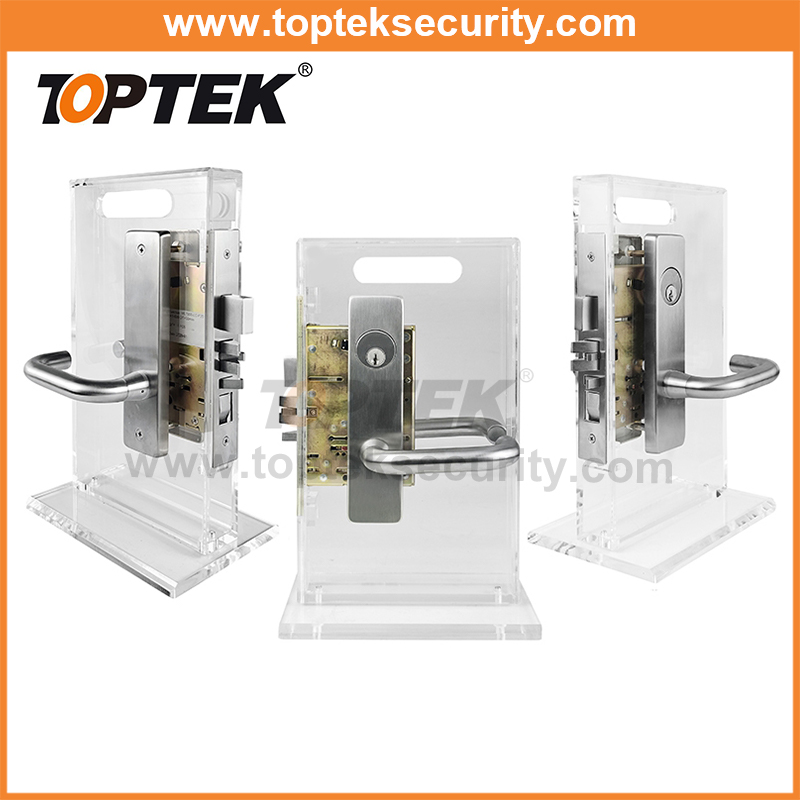
Unlike a standard cylindrical lock (bored lock), where the mechanism sits through a hole bored through the face of the door, a mortise lock is a box-like cassette installed inside the door's structure. This design offers superior strength because the lock is integrated into the door rather than just sitting on it.
These locks are renowned for their longevity. It is not uncommon to find mortise locks from the early 1900s still functioning perfectly today, provided they have been maintained. They are versatile, allowing for various functions like passage, privacy, and heavy-duty security, all within the same basic footprint.
Visual Identification: The Faceplate Test
The easiest and quickest way to identify a mortise lock is by examining the edge of the door when it is open. This is where the lock mechanism meets the door jamb.
The Wide Faceplate
Look at the metal plate on the edge of the door.
Cylindrical locks typically have a small, rectangular latch plate that surrounds just the latch bolt.
Mortise locks have a much larger, wider faceplate. This faceplate usually houses not just the latch bolt (the angled piece that keeps the door closed) but often a deadbolt as well.
If you see a wide metal strip—usually about an inch wide and anywhere from 5 to 8 inches long—embedded flush into the door edge, you are almost certainly looking at a mortise lock.
The Fasteners
Examine the screws on the faceplate. A mortise lock faceplate is typically held in place by two screws, one at the top and one at the bottom. These screws attach the faceplate directly to the lock body hidden inside the door.
Structural Identification: The Lock Body
If the faceplate test isn't conclusive, or if you are looking at a door where the hardware has been removed, the hole in the door tells the whole story.
The Rectangular Pocket
This is the definitive sign. If you remove the hardware, a mortise lock leaves behind a large, rectangular cavity carved deep into the door's edge.
Cylindrical locks require two circular holes: one through the face of the door for the knobs and one through the edge for the latch.
Mortise locks require a rectangular pocket (the mortise) chiseled out to fit the lock cassette (the box).
If your door has a large rectangular slot cut into the edge, it was prepped for a mortise lock.
Knob and Key Functionality
The way the knobs and keys interact with the lock can also be a major clue.
Integral Deadbolt
Many mortise locks function as a two-in-one system. In a modern setup, you might have a door knob (latch) and a separate deadbolt installed above it.
In a mortise lock, the latch and the deadbolt are often contained within the same metal box. This means on the face of the door, the key cylinder and the door knob (or lever) are often part of the same decorative escutcheon plate. If your keyhole is directly above or below your knob, and they seem to be connected by a single large decorative plate, it is highly likely a mortise lock.
Rocker Switches and Buttons
Take a look at the edge of the door again (the faceplate). Many mortise locks feature toggle buttons or rocker switches on the faceplate. These buttons control the locking mechanism of the outside knob.
Pressing one button might lock the outside knob, requiring a key to enter.
Pressing the other button might unlock it, allowing passage without a key.
Some older models use a "stop work" button that freezes the latch entirely.
If you see these small buttons or switches on the edge of the door, you have a mortise lock. Cylindrical locks do not have this feature on the door edge.
Identifying Parts for Replacement
If you are trying to identify the lock because you need to replace it, you need to measure specific dimensions. Simply knowing it's a mortise lock isn't enough, as sizes vary wildly between manufacturers and eras.
1. Backset
This is the most critical measurement. The backset is the distance from the edge of the door (the faceplate) to the center of the knob spindle or the center of the keyhole. Common backsets for mortise locks are 2.5 inches or 2.75 inches, but older locks can vary.
2. Case Dimensions
If you can remove the lock from the door, measure the height, depth, and thickness of the metal box (the case). The depth is particularly important to ensure the new lock fits into the existing mortise pocket without additional chiseling.
3. Center-to-Center
Measure the distance from the center of the knob spindle to the center of the key cylinder hole. This ensures that your exterior trim (the escutcheon plate) will line up correctly with the new lock body.
Why Stick with Mortise Locks?
If you identify that you have a mortise lock, you might be tempted to replace it with a modern, cheaper cylindrical lock. However, this is usually a mistake.
Security: A mortise lock is generally stronger. The bolt extends further into the frame, and the lock body is encased in the door, making it harder to force open.
Aesthetics: Converting to a cylindrical lock often leaves ugly gaps and holes that are difficult to patch. The large escutcheon plates of mortise locks cover more surface area, and removing them usually reveals unpainted or damaged wood.
Value: Original hardware adds character and value to a home. Restoring an old mortise lock is often preferred over replacing it with big-box store hardware.
1
Securing Your Home with Confidence
Identifying your lock is the first step toward better home security and maintenance. Whether you spotted the wide faceplate, found the rectangular pocket, or noticed the integrated deadbolt, knowing you have a mortise lock puts you ahead of the game. These robust mechanisms are built to last, and with the right identification, you can repair or replace them to keep your doors secure and stylish for years to come.
If you are unsure about measuring or sourcing parts, taking clear photos of the lock—especially the faceplate and the side profile—and bringing them to a local locksmith is always a smart move. They can help you decode the specific mechanics of your hardware.
Euro Mortice Lock
Mortise Lock
CE Mortice Lock

 English
 العربية
 Français
 Русский
 Español
 Português
 Deutsch
 italiano
 日本語
日本語 한국어
한국어 Nederlands
 Tiếng Việt
 ไทย
ไทย Polski
 Türkçe
 አማርኛ
አማርኛ ພາສາລາວ
 ភាសាខ្មែរ
 Bahasa Melayu
 ဗမာစာ
ဗမာစာ தமிழ்
தமிழ் Filipino
 Bahasa Indonesia
 magyar
 Română
 Čeština
 Монгол
 қазақ
қазақ Српски
 हिन्दी
 فارسی
فارسی Kiswahili
 Slovenčina
 Slovenščina
 Norsk
Norsk Svenska
 українська
 Ελληνικά
 Suomi
Suomi Հայերեն
 עברית
עברית Latine
 Dansk
Dansk اردو
اردو Shqip
Shqip বাংলা
বাংলা Hrvatski
 Afrikaans
 Gaeilge
 Eesti keel
 Māori
Māori සිංහල
සිංහල नेपाली
 Oʻzbekcha
 latviešu
 অসমীয়া
 Aymara
 Azərbaycan dili
 Bamanankan
 Euskara
 Беларуская мова
 भोजपुरी
 Bosanski
 Български
 Català
 Cebuano
 Corsu
Corsu ދިވެހި
 डोग्रिड ने दी
 Esperanto
 Eʋegbe
 Frysk
Frysk Galego
 ქართული
 guarani
 ગુજરાતી
 Kreyòl ayisyen
 Hausa
Hausa ʻŌlelo Hawaiʻi
 Hmoob
Hmoob íslenska
 Igbo
Igbo Ilocano
 Basa Jawa
 ಕನ್ನಡ
ಕನ್ನಡ Kinyarwanda
 गोंगेन हें नांव
 Krio we dɛn kɔl Krio
 Kurdî
Kurdî Kurdî
Kurdî Кыргызча
 Lingala
 Lietuvių
 Oluganda
 Lëtzebuergesch
 Македонски
 मैथिली
 Malagasy
 മലയാളം
 Malti
Malti मराठी
मराठी ꯃꯦꯇꯥꯏ (ꯃꯅꯤꯄꯨꯔꯤ) ꯴.
 Mizo tawng
 Chichewa
 ଓଡ଼ିଆ
ଓଡ଼ିଆ Afaan Oromoo
 پښتو
پښتو ਪੰਜਾਬੀ
 Runasimi
 Gagana Samoa
 संस्कृत
 Gaelo Albannach
 Sepeti
 Sesotho
 chiShona
 سنڌي
سنڌي Soomaali
 Basa Sunda
 Wikang Tagalog
 Тоҷикӣ
 Татарча
 తెలుగు
 ትግንያውያን
 Xitsonga
 Türkmençe
 संस्कृत
 ئۇيغۇرچە
 Cymraeg
 isiXhosa
 ייִדיש
 Yorùbá
 isiZulu