Introduction to Mortise Cylinder Locks
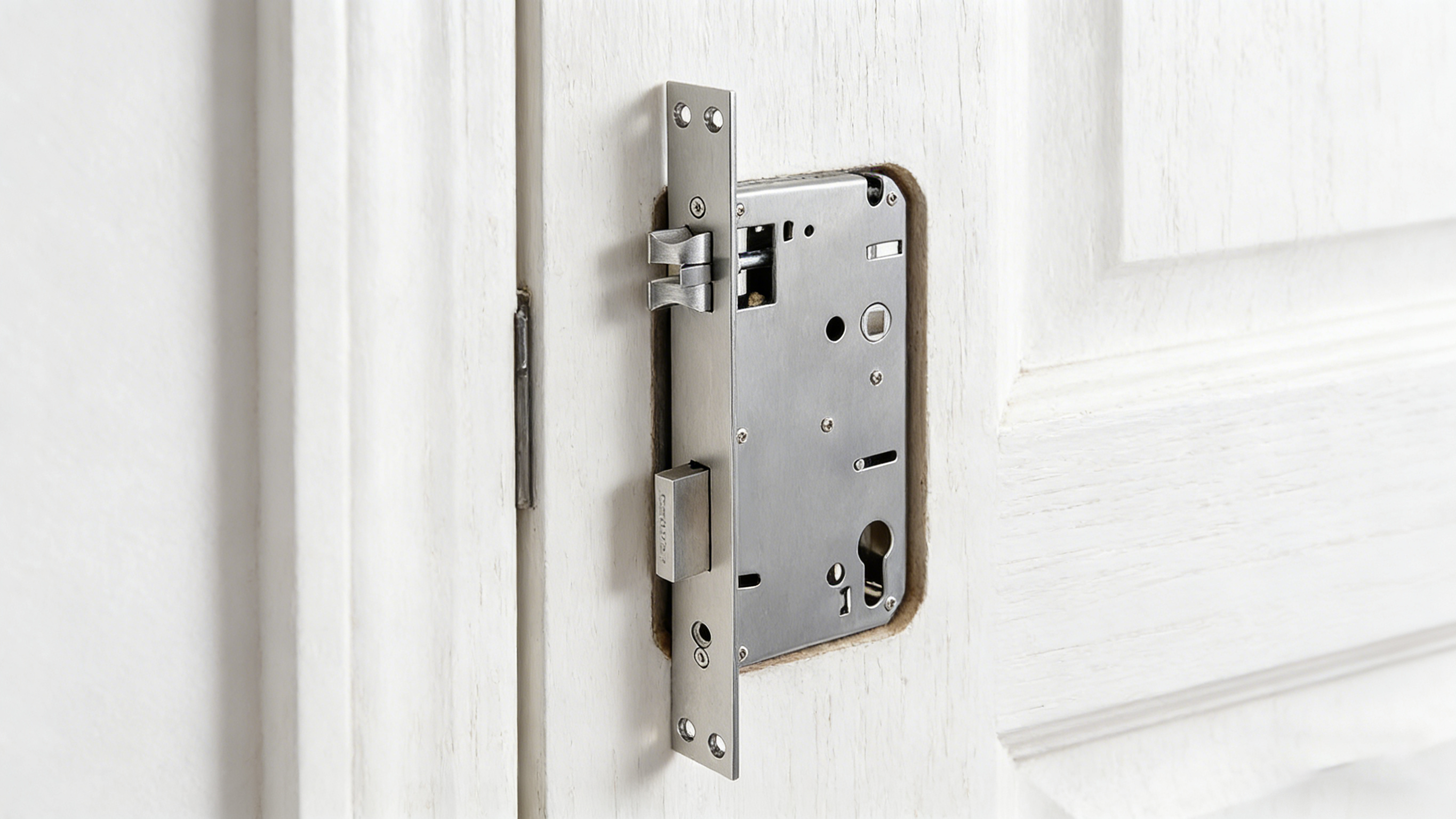
A mortise cylinder lock represents the pinnacle of door security hardware, commonly found in commercial buildings, institutional facilities, and high-end residential properties. Unlike standard locks that are simply inserted through a door, mortise cylinder locks feature a sophisticated two-part system where a threaded cylinder is secured into a robust lock body (chassis) that sits inside a precisely cut pocket within the door's edge. This fundamental design difference provides exceptional strength, durability, and resistance to forced entry, making these locks a preferred choice where security is paramount.
The term "mortise" refers to the rectangular pocket cut into the edge of the door where the lock body resides, while "cylinder" denotes the key-operated mechanism that threads into this assembly. This combination creates a lock system that withstands substantial physical attack while offering smooth, reliable operation.
How Does a Mortise Cylinder Lock Work?
The operation of a mortise lock cylinder revolves around a precise pin-tumbler mechanism. When a properly cut key is inserted into the cylinder, its unique ridges and valleys align a series of internal pins to a specific height. This alignment creates a shear line that allows the cylinder plug to rotate freely. This rotation activates a cam on the back of the cylinder, which in turn moves the locking mechanism within the mortise lock body—retracting the latchbolt or deadbolt to unlock the door.
When the key is removed, springs push the pins back down, blocking the shear line and preventing unauthorized rotation. The mortise lock body itself contains the robust levers, latches, and deadbolts that physically secure the door to the frame, providing multiple points of engagement that dramatically increase security compared to standard cylindrical locksets.
Key Components and Design Features
| Component | Description | Function |
| Mortise Lock Body | A rectangular metal chassis that houses the locking mechanism | Sits inside the door's mortise pocket; contains latch, deadbolt, and internal levers |
| Cylinder | The key-operated plug with a cam on the back | Threads into the lock body; converts key rotation into mechanical movement |
| Faceplate | Metal plate on the door edge that covers the mortise pocket | Provides clean appearance and additional reinforcement |
| Strike Plate | Metal plate installed on the door frame | Receives the latch and deadbolt; reinforces the frame |
| Internal Mechanism | Series of levers, springs, and bolts inside the lock body | Provides multiple locking points and smooth operation |
| Cam | Small metal tailpiece on the back of the cylinder | Transfers rotation from the cylinder to the lock mechanism |
Advantages of Mortise Cylinder Locks
Superior Security: The mortise design distributes force throughout the door rather than concentrating it on a single point. The lock body is typically made from heavy-duty steel or brass, making it extremely resistant to kicking, prying, and other forced entry attempts.
Durability and Longevity: Commercial-grade mortise locks are engineered for high-frequency use, often rated for millions of cycles. Their robust construction withstands daily heavy use far better than standard residential locks.
Design Flexibility: Mortise cylinders are often interchangeable, allowing building owners to rekey or upgrade security without replacing the entire lock body. They also accommodate various functions (passage, privacy, classroom, storeroom) through interchangeable internal components.
Aesthetic Options: Available in numerous finishes and styles, mortise locks can be paired with various lever, knob, or pull handles to match architectural design while maintaining security.
Integration Capabilities: Many mortise lock bodies can be fitted with electronic components, allowing integration with access control systems while maintaining mechanical override capability.
Common Applications
Commercial Buildings: Office entrances, conference rooms, and sensitive areas
Educational Institutions: Classroom doors, administrative offices, and storage rooms
Healthcare Facilities: Patient rooms, medication storage, and restricted areas
Hospitality: Hotel room doors and secure amenity areas
High-End Residential: Entry doors in luxury homes and apartments
Government and Institutional Buildings: Where enhanced security is mandated
Installation Considerations
Installing a mortise cylinder lock requires precision woodworking to create the rectangular pocket in the door edge—a task typically performed by professional locksmiths or skilled carpenters. The process involves:
Marking and cutting the mortise pocket to exact dimensions
Drilling the cylinder hole through the face of the door
Installing the lock body into the pocket
Threading the cylinder into the lock body
Installing the faceplate and strike plate
Attaching the exterior trim (lever, knob, or pull)
Proper installation is crucial for optimal security and function. Ill-fitting mortise locks can compromise security and lead to operational issues.
Maintenance and Troubleshooting
Regular maintenance ensures longevity and reliability:
Lubricate the cylinder and mechanism annually with dry graphite or manufacturer-recommended lubricant
Check for loose screws, especially on faceplates and strike plates
Ensure the door and frame are properly aligned to prevent binding
Test all functions regularly, including deadbolt operation and key rotation
Common issues include sticking keys (often due to dirty or dry cylinders), misalignment between door and frame, and worn internal components after extensive use.
Frequently Asked Questions (FAQ)
Q: Can I install a mortise lock on any door?A: Mortise locks require doors with sufficient thickness (typically 1¾ inches or more) to accommodate the lock body. Hollow-core doors often lack the structural integrity needed for proper installation.
Q: Are mortise cylinder locks more expensive than standard locks?A: Yes, mortise locks typically cost more initially due to their complex manufacturing and installation requirements. However, their durability and longevity often make them more cost-effective over time, especially in high-traffic environments.
Q: Can I rekey a mortise cylinder lock myself?A: While cylinders can be removed and rekeyed by a locksmith, the process requires specialized tools and knowledge. For security reasons, rekeying is best left to professionals.
Q: How do mortise locks compare to electronic smart locks?A: Mortise locks offer physical security advantages that many electronic locks lack. However, many modern systems combine both technologies—using mortise lock bodies with electronic access control components.
Q: Are all mortise cylinders the same size?A: While there are standard sizes (typically 1" or 1-1/8" cylinder length for most doors), variations exist. Always measure your existing cylinder or consult with a professional before purchasing a replacement.
Q: Can mortise locks be used with panic bars?A: Yes, many mortise lock bodies are designed to integrate with panic hardware (exit devices) for code-compliant egress in commercial buildings.
Conclusion
Mortise cylinder locks represent a significant investment in door security, offering robust protection that far exceeds standard locking mechanisms. Their unique design—combining a threaded cylinder with a heavy-duty internal chassis—creates a system that resists forced entry while providing reliable operation through years of heavy use. While installation requires precision and expertise, the resulting security, durability, and flexibility make mortise locks the preferred choice for commercial applications and security-conscious residential properties.
When selecting a mortise lock system, consider your specific security needs, door type, and usage patterns. Consult with security professionals to ensure proper specification and installation, as even the highest-quality lock provides limited protection if improperly fitted. With proper selection and maintenance, a mortise cylinder lock system will deliver decades of secure, trouble-free service.
Mortise Cylinder Lock
Mortise Cylinder
Mortise Cylinders

 English
 العربية
 Français
 Русский
 Español
 Português
 Deutsch
 italiano
 日本語
日本語 한국어
한국어 Nederlands
 Tiếng Việt
 ไทย
ไทย Polski
 Türkçe
 አማርኛ
አማርኛ ພາສາລາວ
 ភាសាខ្មែរ
 Bahasa Melayu
 ဗမာစာ
ဗမာစာ தமிழ்
தமிழ் Filipino
 Bahasa Indonesia
 magyar
 Română
 Čeština
 Монгол
 қазақ
қазақ Српски
 हिन्दी
 فارسی
فارسی Kiswahili
 Slovenčina
 Slovenščina
 Norsk
Norsk Svenska
 українська
 Ελληνικά
 Suomi
Suomi Հայերեն
 עברית
עברית Latine
 Dansk
Dansk اردو
اردو Shqip
Shqip বাংলা
বাংলা Hrvatski
 Afrikaans
 Gaeilge
 Eesti keel
 Māori
Māori සිංහල
සිංහල नेपाली
 Oʻzbekcha
 latviešu
 অসমীয়া
 Aymara
 Azərbaycan dili
 Bamanankan
 Euskara
 Беларуская мова
 भोजपुरी
 Bosanski
 Български
 Català
 Cebuano
 Corsu
Corsu ދިވެހި
 डोग्रिड ने दी
 Esperanto
 Eʋegbe
 Frysk
Frysk Galego
 ქართული
 guarani
 ગુજરાતી
 Kreyòl ayisyen
 Hausa
Hausa ʻŌlelo Hawaiʻi
 Hmoob
Hmoob íslenska
 Igbo
Igbo Ilocano
 Basa Jawa
 ಕನ್ನಡ
ಕನ್ನಡ Kinyarwanda
 गोंगेन हें नांव
 Krio we dɛn kɔl Krio
 Kurdî
Kurdî Kurdî
Kurdî Кыргызча
 Lingala
 Lietuvių
 Oluganda
 Lëtzebuergesch
 Македонски
 मैथिली
 Malagasy
 മലയാളം
 Malti
Malti मराठी
मराठी ꯃꯦꯇꯥꯏ (ꯃꯅꯤꯄꯨꯔꯤ) ꯴.
 Mizo tawng
 Chichewa
 ଓଡ଼ିଆ
ଓଡ଼ିଆ Afaan Oromoo
 پښتو
پښتو ਪੰਜਾਬੀ
 Runasimi
 Gagana Samoa
 संस्कृत
 Gaelo Albannach
 Sepeti
 Sesotho
 chiShona
 سنڌي
سنڌي Soomaali
 Basa Sunda
 Wikang Tagalog
 Тоҷикӣ
 Татарча
 తెలుగు
 ትግንያውያን
 Xitsonga
 Türkmençe
 संस्कृत
 ئۇيغۇرچە
 Cymraeg
 isiXhosa
 ייִדיש
 Yorùbá
 isiZulu