Commercial buildings and older residential homes often rely on the robust security of a mortise cylinder lock. These mechanisms are known for their durability and strength, sitting inside a pocket (the mortise) cut into the door's edge. However, when it comes time to replace the cylinder—whether due to a lost key or a desire to upgrade security—many DIY enthusiasts hit a wall. They grab a standard toolbox, only to find their tools don't quite do the job.
The confusion usually stems from the hidden nature of the retention mechanism. Unlike a standard tubular deadbolt where the screws are clearly visible on the back of the door, a mortise cylinder is held in place by a specific set screw located on the edge of the door. Identifying the correct screwdriver to access and loosen this screw is the critical first step in the removal process.
This guide will walk you through exactly which tools you need, how to identify the fasteners involved, and the precise steps to remove your lock without damaging the door hardware.
Identifying the Right Screwdriver
The short answer is that you will likely need a Phillips Head #2 or a standard flathead (slotted) screwdriver. However, the specific type depends entirely on the manufacturer of your lock body and the faceplate protecting it.
You are not unscrewing the cylinder itself with the screwdriver. Instead, you are unscrewing a "set screw" that clamps the cylinder in place. Here is a breakdown of the specific drivers required for each stage of the process.
1. Removing the Faceplate (Armor Front)
The first barrier between you and the mechanism is the faceplate, also known as the armor front. This is the long metal plate located on the edge of the door that the latch bolt extends through.
2. Loosening the Cylinder Set Screw
Once the faceplate is removed, you will see a long line of screws. You are looking for the cylinder set screw. This is often recessed slightly into the lock body and is aligned horizontally with the center of the mortise cylinder.
The Tool: Most commonly a Phillips #2 screwdriver. However, older locks (especially vintage residential ones) often use a large flathead screw.
The Goal: You only need to loosen this screw. Do not remove it entirely, or it may fall inside the door cavity, turning a five-minute job into a frustrating hour-long retrieval mission.
1
Tool Selection Guide
To help you prepare your toolbox, refer to the table below matching the lock component to the typically required tool.
Lock Component | Common Screw Type | Recommended Tool | Pro Tip |
Faceplate / Armor Front | 8-32 Machine Screw | Phillips #1 or Small Flathead (3/16") | These screws are small and easy to strip. Apply firm pressure. |
Cylinder Set Screw | Set Screw (Internal) | Phillips #2 or Large Flathead (1/4") | Often located deep in the chassis. A screwdriver with a 4-inch shaft is ideal. |
Profile Cylinder Screw | Long Retaining Screw | Phillips #2 | Only applicable if you have a Euro-profile cylinder, not a standard US mortise. |
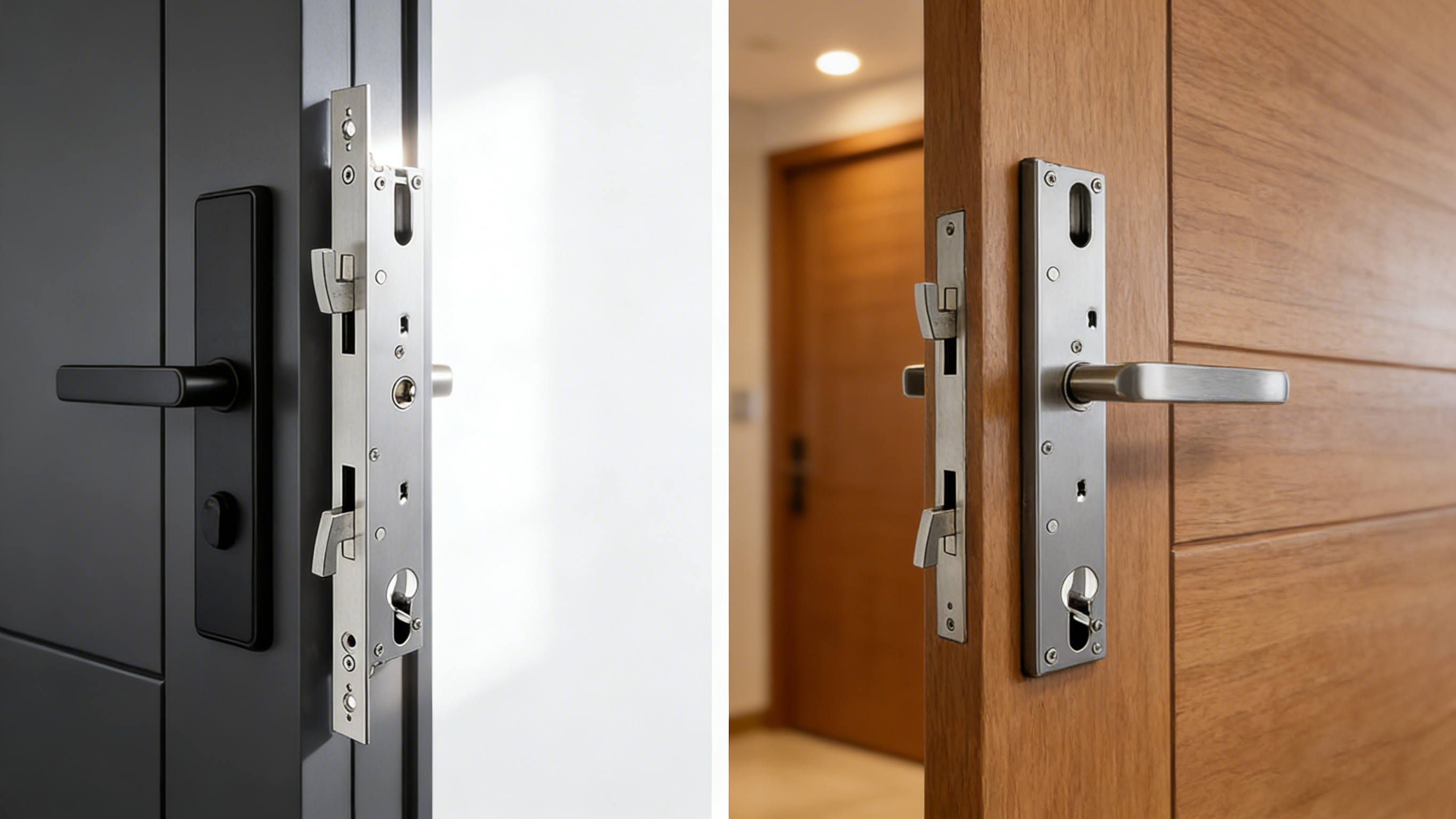
Why the Shaft Length Matters
When selecting your screwdriver, pay attention to the length of the shaft. A "stubby" screwdriver might fit into the screw head, but it often lacks the reach or the leverage required for a mortise lock.
The set screw is sometimes recessed deep within the lock body. A screwdriver with a standard 4-inch shaft provides enough clearance so the handle doesn't bang against the door edge while you are turning. Furthermore, these set screws can be seized up from years of inactivity or paint buildup. A longer handle gives you better torque to break the seal without stripping the head.
Step-by-Step: Removing the Mortise Cylinder
Once you have your Phillips #2 and flathead screwdrivers ready, follow this process to remove the cylinder safely.
Step 1: Open the Door and Locate the Faceplate
You cannot remove a mortise cylinder lock while the door is closed. Open the door and locate the metal plate on the edge. If the lock has been painted over, you may need to use a utility knife to score the paint around the faceplate screws to prevent chipping.
Step 2: Remove the Faceplate
Using your smaller screwdriver, remove the two mounting screws holding the faceplate on. Set the plate and screws aside in a safe place.
Step 3: Identify the Set Screw
Look inside the lock body through the opening you just created. You will see the latch bolt and the deadbolt mechanism. Look for a screw that is inline with the cylinder you want to remove.
If you have a keyed cylinder on the outside and a thumbturn on the inside, there may be two set screws.
The screw head will be facing you.
Step 4: Loosen the Set Screw
Insert your Phillips #2 or large flathead screwdriver. Turn the screw counter-clockwise to loosen it.
Crucial Warning: Turn the screw only 3 to 4 full rotations. You want to relieve the pressure on the cylinder grooves, not remove the screw entirely. If the screw feels loose, stop.
Step 5: Unscrew the Mortise Cylinder
This is the part that surprises most first-timers: the cylinder itself is a large screw.
Insert your key into the mortise cylinder keyway.
Use the key as a handle/lever.
Turn the entire cylinder counter-clockwise.
It should begin to unscrew from the door.
If the cylinder is stuck, do not use pliers on the round face of the lock, as this will destroy the finish and potentially crush the cylinder shape. Instead, ensure the set screw is loose enough. If it still won't budge, a slight wiggle with the key inserted usually frees it up.
Troubleshooting Common Issues
Sometimes, having the right screwdriver isn't enough. Here is how to handle common roadblocks.
The Set Screw is Stripped
If you insert your screwdriver and it spins without catching, the screw head may be stripped.
Rubber Band Trick: Place a wide rubber band over the tip of your screwdriver and insert it into the screw head. The rubber fills the gaps and provides grip.
Screw Extractor: If the rubber band fails, you may need a specialized screw extractor bit to grab the damaged metal.
The Cylinder Just Spins
If you turn the cylinder and it spins endlessly without coming out, the threads on the cylinder or the lock case may be stripped, or the set screw is still engaged with the groove. Tighten the set screw slightly and try to find the "sweet spot" where it allows the cylinder to back out, or apply outward pulling pressure on the key while turning.
Frequently Asked Questions
Can I remove a mortise cylinder without a key?
Yes, but it is difficult. The key acts as a handle to turn the cylinder. If you do not have a key, you cannot easily grip the flat face of the lock. You may need to use a specialized tool called a "cylinder wrench" or very carefully use channel-lock pliers with a cloth wrapped around the cylinder to protect the finish.
Why won't my screwdriver fit the set screw?
Some high-security commercial locks use "security" screws to prevent tampering. These might require a Torx bit or a hex key (Allen wrench) rather than a standard Phillips or flathead. Inspect the screw head with a flashlight to confirm the shape.
Do I need a power drill to remove a mortise lock?
Generally, no. A power drill is excessive for the delicate threads of a mortise cylinder lock. Using a drill can easily strip the brass set screw or damage the lock body. Hand tools are always recommended for this specific task to ensure you can feel the resistance of the threads.
Is the screwdriver size the same for all brands?
While Phillips #2 is the industry standard for brands like Schlage, Yale, and Corbin Russwin, you will occasionally find proprietary sizes. Always test the fit gently before applying maximum torque.
Secure Your Home with the Right Tools
Removing a mortise cylinder is a straightforward task once you understand the mechanics behind the faceplate. You don't need an expensive locksmithing kit; a standard Phillips #2 screwdriver and a flathead are usually all that stands between you and a successful lock replacement. By taking care to identify the set screw and loosening it carefully, you can swap out your cylinders in minutes, maintaining the security and functionality of your door.
If you encounter a lock that seems fused shut or requires force that feels unsafe, consult a professional locksmith to avoid permanent damage to the door itself.
Mortise Cylinder Lock
Mortise Cylinder
Mortise Lock

 English
 العربية
 Français
 Русский
 Español
 Português
 Deutsch
 italiano
 日本語
日本語 한국어
한국어 Nederlands
 Tiếng Việt
 ไทย
ไทย Polski
 Türkçe
 አማርኛ
አማርኛ ພາສາລາວ
 ភាសាខ្មែរ
 Bahasa Melayu
 ဗမာစာ
ဗမာစာ தமிழ்
தமிழ் Filipino
 Bahasa Indonesia
 magyar
 Română
 Čeština
 Монгол
 қазақ
қазақ Српски
 हिन्दी
 فارسی
فارسی Kiswahili
 Slovenčina
 Slovenščina
 Norsk
Norsk Svenska
 українська
 Ελληνικά
 Suomi
Suomi Հայերեն
 עברית
עברית Latine
 Dansk
Dansk اردو
اردو Shqip
Shqip বাংলা
বাংলা Hrvatski
 Afrikaans
 Gaeilge
 Eesti keel
 Māori
Māori සිංහල
සිංහල नेपाली
 Oʻzbekcha
 latviešu
 অসমীয়া
 Aymara
 Azərbaycan dili
 Bamanankan
 Euskara
 Беларуская мова
 भोजपुरी
 Bosanski
 Български
 Català
 Cebuano
 Corsu
Corsu ދިވެހި
 डोग्रिड ने दी
 Esperanto
 Eʋegbe
 Frysk
Frysk Galego
 ქართული
 guarani
 ગુજરાતી
 Kreyòl ayisyen
 Hausa
Hausa ʻŌlelo Hawaiʻi
 Hmoob
Hmoob íslenska
 Igbo
Igbo Ilocano
 Basa Jawa
 ಕನ್ನಡ
ಕನ್ನಡ Kinyarwanda
 गोंगेन हें नांव
 Krio we dɛn kɔl Krio
 Kurdî
Kurdî Kurdî
Kurdî Кыргызча
 Lingala
 Lietuvių
 Oluganda
 Lëtzebuergesch
 Македонски
 मैथिली
 Malagasy
 മലയാളം
 Malti
Malti मराठी
मराठी ꯃꯦꯇꯥꯏ (ꯃꯅꯤꯄꯨꯔꯤ) ꯴.
 Mizo tawng
 Chichewa
 ଓଡ଼ିଆ
ଓଡ଼ିଆ Afaan Oromoo
 پښتو
پښتو ਪੰਜਾਬੀ
 Runasimi
 Gagana Samoa
 संस्कृत
 Gaelo Albannach
 Sepeti
 Sesotho
 chiShona
 سنڌي
سنڌي Soomaali
 Basa Sunda
 Wikang Tagalog
 Тоҷикӣ
 Татарча
 తెలుగు
 ትግንያውያን
 Xitsonga
 Türkmençe
 संस्कृत
 ئۇيغۇرچە
 Cymraeg
 isiXhosa
 ייִדיש
 Yorùbá
 isiZulu