When securing a thick door, finding a lock that fits correctly is essential. Standard locks often fall short, leaving you to wonder about the available options for non-standard door thicknesses. If you've ever asked, "What is the longest mortise cylinder lock available?" you're in the right place.
This guide will walk you through everything you need to know about mortise cylinder lengths. We'll explore standard sizes, explain how to measure for the correct fit, and introduce you to the extra-long options designed for thicker, more robust doors. By the end, you'll have the information needed to select the perfect mortise cylinder for your specific security requirements.
Understanding the Mortise Cylinder Lock
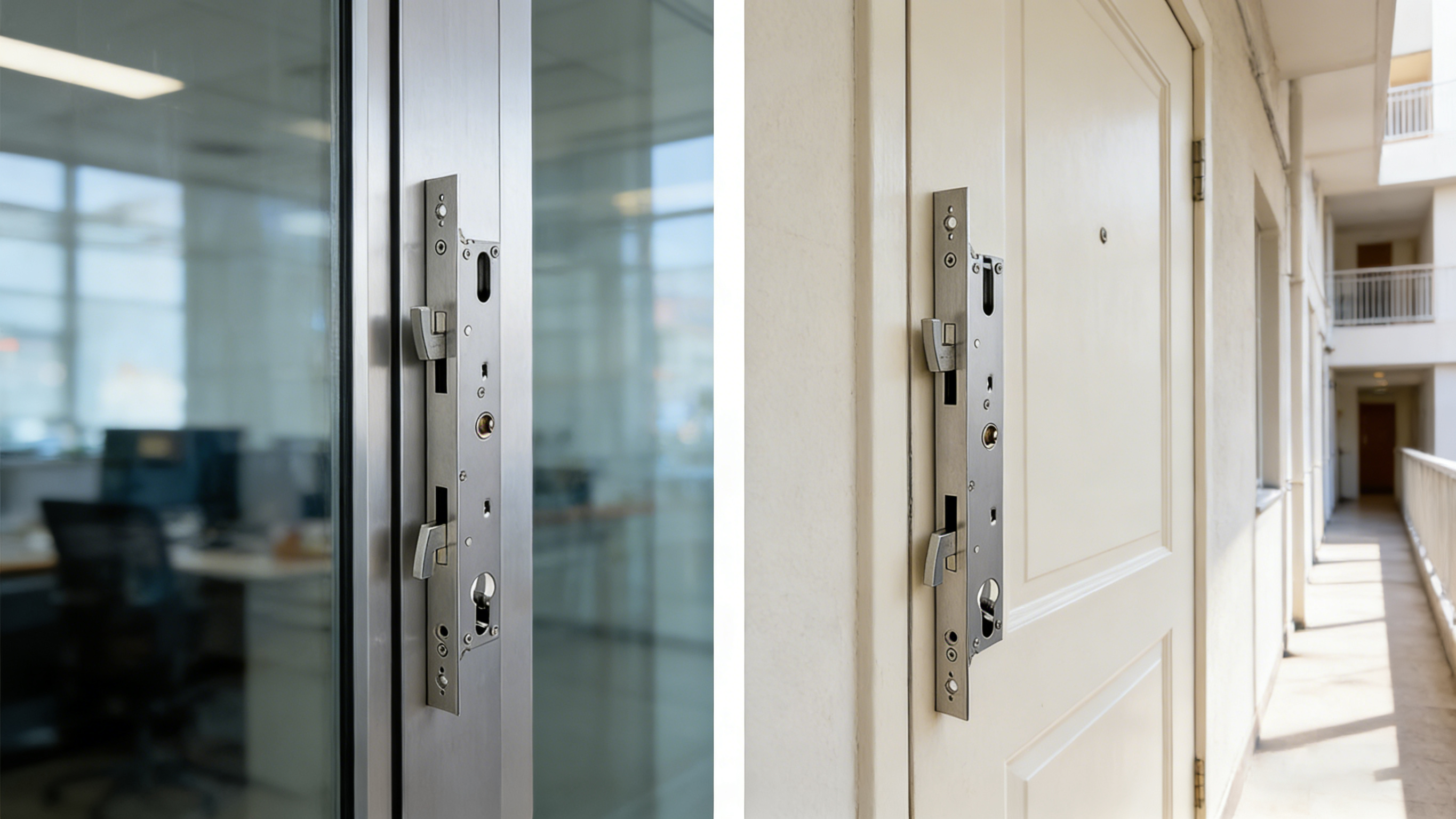
Before we discuss lengths, let's quickly review what a mortise cylinder lock is. A mortise cylinder is a threaded cylinder containing the keyway and locking mechanism. It screws into a mortise lock body, which is installed inside a pocket (or mortise) cut into the edge of the door.
These locks are known for their strength and durability, making them a popular choice for commercial buildings, institutions, and high-end residential properties. The cylinder's length is crucial because it must be long enough to pass through the door and any additional hardware (like trim plates or pull handles) while still allowing the key to operate the lock correctly.
Standard Mortise Cylinder Lengths
Mortise cylinders come in a variety of standard lengths to accommodate different door thicknesses. The length is measured from the underside of the cylinder head to the end of the cam.
Most manufacturers produce cylinders in 1/8-inch increments. Common standard lengths you'll find on the market include:
Standard Length (Inches) | Standard Length (mm) |
1" | 25.4mm |
1-1/8" | 28.6mm |
1-1/4" | 31.8mm |
1-3/8" | 34.9mm |
1-1/2" | 38.1mm |
1-5/8" | 41.3mm |
1-3/4" | 44.5mm |
2" | 50.8mm |
A 1-1/8" or 1-1/4" cylinder is often sufficient for a standard commercial door, which is typically 1-3/4" thick. However, custom-built doors, glass doors with metal frames, or doors with decorative hardware often require something longer.
How to Measure for a Mortise Cylinder
To determine the correct length for your mortise cylinder lock, you need to measure the door's thickness accurately.
Measure Door Thickness: Use a tape measure or calipers to measure the exact thickness of the door where the lock will be installed.
Account for Hardware: Consider the thickness of any escutcheon plates, pull handles, or other trim that the cylinder must pass through. Add this measurement to the door's thickness.
Calculate Total Length: The sum of these measurements gives you the minimum cylinder length required. The goal is to have the cylinder sit flush or protrude slightly (no more than 1/4 inch) from the face of the trim.
Formula:
Door Thickness + Trim/Hardware Thickness = Required Cylinder Length
For example, if you have a 2-inch thick door and a 1/4-inch thick escutcheon plate, you would need a cylinder that is at least 2-1/4 inches long.
So, What Is the Longest Mortise Cylinder Lock?
While standard cylinders typically stop around 2 inches, many manufacturers offer much longer options to meet the demands of custom architectural designs. It's not uncommon to find specialty suppliers offering mortise cylinders that are 4 inches, 5 inches, or even 6 inches long.
Some specialized manufacturers can produce even longer cylinders on a custom-order basis. Theoretically, there is no strict upper limit, as a machine shop could fabricate a cylinder of almost any length if required for a unique project. However, for practical, off-the-shelf purposes, cylinders longer than 6 inches are exceptionally rare.
What about extra-long cylinders?
When dealing with extremely thick doors, a single, extra-long cylinder isn't always the best solution. Very long cylinders can be susceptible to bending or breaking if subjected to force.
In these situations, locksmiths and security professionals often turn to alternative solutions:
Cylinder Extensions: These are threaded extenders that can be added to a standard cylinder to increase its length. They offer a modular way to achieve a custom fit.
Interchangeable Core (IC) Cylinders: These systems use a removable core, which can sometimes be housed in longer bodies or used with specialized hardware to accommodate thick doors.
1
Choosing the Right Lock for Your Needs
Finding the longest mortise cylinder is only part of the equation. You also need to ensure it's compatible with your lock body and meets your security needs. Key considerations include:
Keyway: Does the cylinder have a standard or a high-security, restricted keyway?
Cam Type: The cam is the part at the back of the cylinder that interacts with the lock body. You must select a cylinder with the correct cam for your specific mortise lock.
Finish: Ensure the cylinder finish (e.g., brass, chrome, bronze) matches the rest of your door hardware.
1
Frequently Asked Questions (FAQs)
Can I use a cylinder that is too long?
It's not recommended. A cylinder that protrudes too far from the door is a security risk. It provides an easy target for wrenches, pliers, or other tools that could be used to forcibly twist and break the cylinder.
Where can I buy extra-long mortise cylinders?
Most standard hardware stores will only stock common sizes. For longer cylinders, you'll need to visit a specialized locksmith supplier or an online architectural hardware retailer.
Are longer mortise cylinders less secure?
Not necessarily, but they can be if not installed correctly. The main vulnerability comes from the potential for the cylinder to be snapped or twisted. Using security collars or high-strength materials can help mitigate this risk.
What if I can't find a cylinder long enough?
If your door is exceptionally thick and a stock cylinder won't work, contact a professional locksmith. They can assess the situation and may be able to source a custom-made cylinder or recommend an alternative locking solution that provides the security you need.
Final Thoughts on Mortise Cylinder Length
While standard mortise cylinders usually top out at around 2 inches, specialty manufacturers provide options extending to 6 inches and beyond for custom applications. The key to a secure and functional installation is accurate measurement. By carefully calculating your door and hardware thickness, you can select a mortise cylinder lock that fits perfectly.
If you find yourself with a non-standard door, don't compromise on security. Reach out to a professional locksmith or a specialty hardware supplier. They have the expertise and resources to help you find the right locking solution, no matter how thick your door may be.
mortise cylinder lock
mortise cylinder
Security lock

 English
 العربية
 Français
 Русский
 Español
 Português
 Deutsch
 italiano
 日本語
日本語 한국어
한국어 Nederlands
 Tiếng Việt
 ไทย
ไทย Polski
 Türkçe
 አማርኛ
አማርኛ ພາສາລາວ
 ភាសាខ្មែរ
 Bahasa Melayu
 ဗမာစာ
ဗမာစာ தமிழ்
தமிழ் Filipino
 Bahasa Indonesia
 magyar
 Română
 Čeština
 Монгол
 қазақ
қазақ Српски
 हिन्दी
 فارسی
فارسی Kiswahili
 Slovenčina
 Slovenščina
 Norsk
Norsk Svenska
 українська
 Ελληνικά
 Suomi
Suomi Հայերեն
 עברית
עברית Latine
 Dansk
Dansk اردو
اردو Shqip
Shqip বাংলা
বাংলা Hrvatski
 Afrikaans
 Gaeilge
 Eesti keel
 Māori
Māori සිංහල
සිංහල नेपाली
 Oʻzbekcha
 latviešu
 অসমীয়া
 Aymara
 Azərbaycan dili
 Bamanankan
 Euskara
 Беларуская мова
 भोजपुरी
 Bosanski
 Български
 Català
 Cebuano
 Corsu
Corsu ދިވެހި
 डोग्रिड ने दी
 Esperanto
 Eʋegbe
 Frysk
Frysk Galego
 ქართული
 guarani
 ગુજરાતી
 Kreyòl ayisyen
 Hausa
Hausa ʻŌlelo Hawaiʻi
 Hmoob
Hmoob íslenska
 Igbo
Igbo Ilocano
 Basa Jawa
 ಕನ್ನಡ
ಕನ್ನಡ Kinyarwanda
 गोंगेन हें नांव
 Krio we dɛn kɔl Krio
 Kurdî
Kurdî Kurdî
Kurdî Кыргызча
 Lingala
 Lietuvių
 Oluganda
 Lëtzebuergesch
 Македонски
 मैथिली
 Malagasy
 മലയാളം
 Malti
Malti मराठी
मराठी ꯃꯦꯇꯥꯏ (ꯃꯅꯤꯄꯨꯔꯤ) ꯴.
 Mizo tawng
 Chichewa
 ଓଡ଼ିଆ
ଓଡ଼ିଆ Afaan Oromoo
 پښتو
پښتو ਪੰਜਾਬੀ
 Runasimi
 Gagana Samoa
 संस्कृत
 Gaelo Albannach
 Sepeti
 Sesotho
 chiShona
 سنڌي
سنڌي Soomaali
 Basa Sunda
 Wikang Tagalog
 Тоҷикӣ
 Татарча
 తెలుగు
 ትግንያውያን
 Xitsonga
 Türkmençe
 संस्कृत
 ئۇيغۇرچە
 Cymraeg
 isiXhosa
 ייִדיש
 Yorùbá
 isiZulu