Installing a mortise lock is often considered a rite of passage for woodworkers and DIY enthusiasts. Unlike standard cylindrical locks that simply slide through a bored hole, mortise locks require a rectangular pocket (the mortise) cut into the edge of the door. This mechanism offers superior strength and a classic aesthetic, but it also demands a higher level of precision during installation. One slip-up, or one wrong tool choice, can ruin a beautiful solid wood door.
The most common question that arises during this process is simple yet critical: what size drill bit for mortise lock installation is best? The answer isn't a single number, as it depends entirely on the specific dimensions of the lock body you are installing. Using a bit that is too large will leave the lock rattling inside the door, while a bit that is too small will force you to spend hours chiseling away excess wood.
This guide will walk you through how to select the perfect drill bit size, understanding mortise lock sizes, and the best techniques for a clean, professional installation.
Understanding the Anatomy of a Mortise Lock
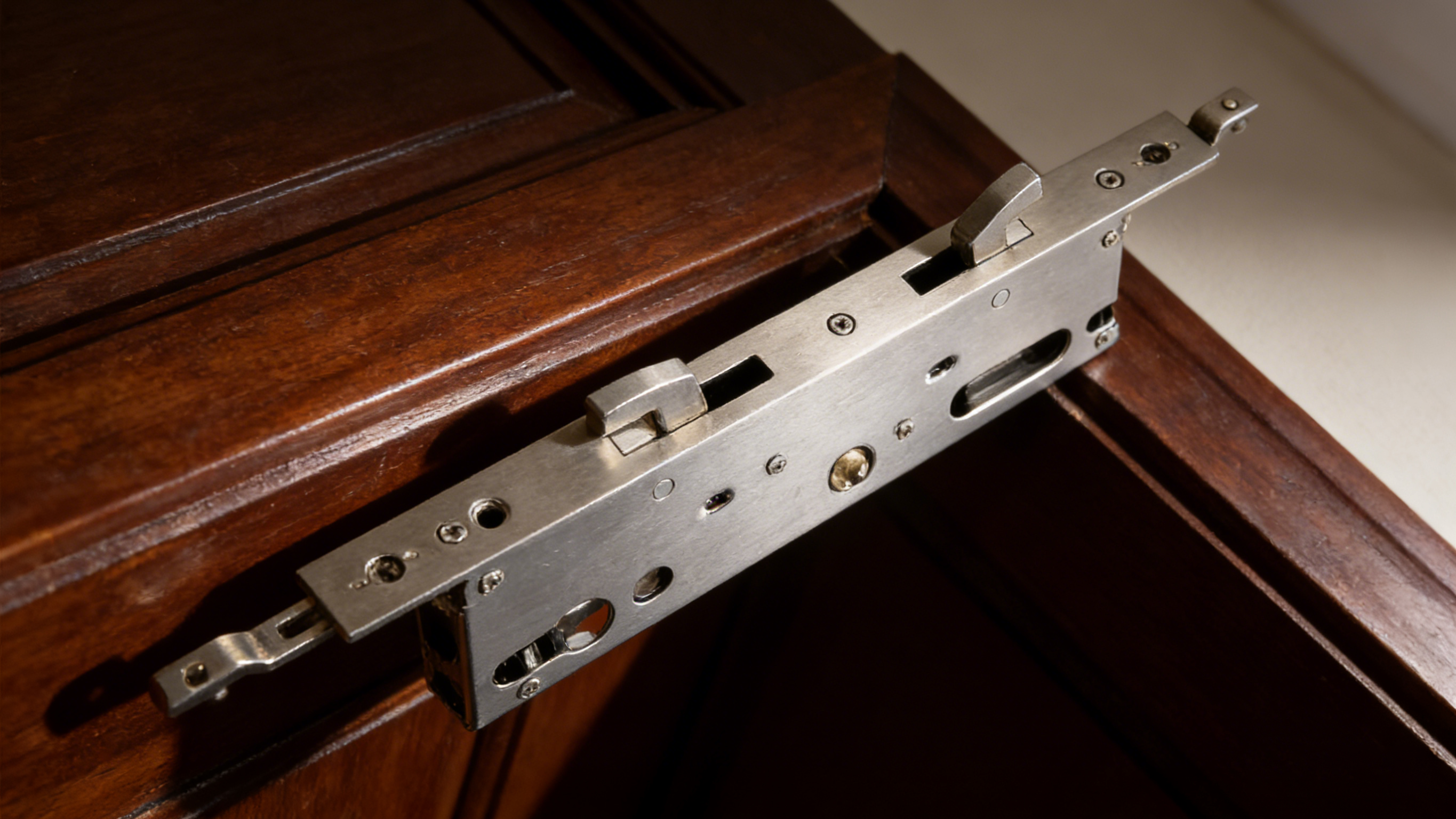
Before reaching for your drill, it is helpful to understand what you are trying to achieve. A mortise lock consists of a "lock body" or "cassette" that slides into the pocket you create.
The goal when drilling the mortise is to remove the bulk of the wood from the door's edge to create this pocket. You generally want to remove as much material as possible with the drill to minimize the manual labor of chiseling the corners square. Therefore, the drill bit size corresponds directly to the thickness of the lock case.
How to Determine the Correct Drill Bit Size
The general rule of thumb for selecting a drill bit is to choose a size that matches the thickness of the lock body exactly, or is slightly smaller (by about 1/16 inch) to provide a margin for error.
Here is the step-by-step process to find your size:
Measure the Lock Case Thickness: Use calipers or a precise tape measure to determine the thickness of the part of the lock that slides into the door. Do not measure the faceplate, which sits flush on the surface; measure the actual metal box housing the mechanism.
Select the Bit: If your lock case is 5/8" thick, a 5/8" bit is the standard choice. This allows the lock to slide in snugly.
Consider Your Skill Level: If you are drilling freehand without a jig, you might opt for a slightly smaller bit. For a 5/8" lock, a 1/2" bit ensures you won't accidentally drift and breakthrough the side of the door. However, this will require more cleanup with a chisel.
1
Drill Bit Size Reference Table
To make things easier, refer to this table for common mortise lock sizes and their corresponding drill bit recommendations.
Lock Case Thickness | Recommended Drill Bit Size (Tight Fit) | Safe Drill Bit Size (Freehand Drilling) |
1/2 inch (12.7mm) | 1/2 inch | 7/16 inch |
9/16 inch (14mm) | 9/16 inch | 1/2 inch |
5/8 inch (16mm) | 5/8 inch | 9/16 inch |
3/4 inch (19mm) | 3/4 inch | 5/8 inch |
7/8 inch (22mm) | 7/8 inch | 3/4 inch |
Note: Always test your chosen bit on a piece of scrap wood before drilling into your actual door.
Types of Drill Bits for Mortising
Not all drill bits are created equal when it comes to deep boring in wood. The type of bit you choose is just as important as the size.
Auger Bits
These are the gold standard for installing mortise locks. Auger bits have a screw tip that pulls the bit into the wood, requiring less pressure from you. They also have deep flutes that effectively clear wood chips from deep holes, preventing the bit from overheating or jamming.
Forstner Bits
Forstner bits create incredibly clean, flat-bottomed holes. They are excellent if you are using a drill press or a very steady hand. However, they can heat up quickly in deep holes and do not clear chips as well as auger bits.
Spade Bits (Paddle Bits)
While inexpensive and readily available, spade bits are generally not recommended for fine mortise work. They tend to "wander" and can tear out the wood grain, leaving a messy hole that is difficult to clean up. If this is your only option, ensure it is sharp and proceed slowly.
The Installation Process: Drilling the Mortise
Once you have the correct bit, the drilling process involves creating a series of overlapping holes.
Mark the Door: Clearly mark the centerline of the door edge and the top and bottom boundaries of the mortise lock body.
Set the Depth: Wrap a piece of masking tape around your drill bit to mark the depth of the lock case. This prevents you from drilling too deep and compromising the door's structure.
Drill the Series: Start at the top of your marked area. Drill straight into the door edge. Pull the drill out frequently to clear chips. Move down and drill the next hole, overlapping the previous one slightly. Continue until you reach the bottom mark.
Clean Up: You will be left with a rough, scalloped hole. Use a sharp wood chisel and a mallet to pare down the sides and square off the corners until the lock body slides in smoothly.
1
Common Dimensions for Face Holes
While the deep mortise pocket is the hardest part, don't forget you also need to drill holes through the face of the door for the doorknob spindle and the key cylinder.
Component | Common Hole Size |
Spindle (Handle) | 3/4 inch to 13/16 inch |
Key Cylinder | 1-1/8 inch to 1-1/4 inch |
Thumb Turn | 3/16 inch to 1/4 inch |
Always consult the template provided by the lock manufacturer, as these sizes vary between brands.
Frequently Asked Questions (FAQ)
Can I use a router instead of a drill?
Yes, a plunge router with a spiral up-cut bit is an excellent tool for this job. It creates cleaner sides than a drill. However, you will need a long router bit to reach the full depth of the mortise, and you typically need to build or buy a jig to keep the router stable on the thin edge of the door.
What if I drill the hole too wide?
If your drill bit was too large or wandered off-center, the lock body might sit loosely in the pocket. This can put stress on the mounting screws. You can fix this by gluing thin veneer shims or strips of hardwood into the sides of the mortise to narrow the opening back down for a snug fit.
Do I need a mortising jig?
While not strictly necessary, a mortising jig is highly recommended, especially if you have multiple doors to do. A jig clamps onto the door and guides the drill bit perfectly straight, eliminating the risk of drilling out the side of the door.
How deep should the mortise be?
The depth should be equal to the depth of the lock body plus roughly 1/8 inch to allow for debris and ensure the faceplate seats fully flush against the door edge without bottoming out.
Achieving the Perfect Fit
Installing a mortise lock requires patience, steady hands, and the right tools. By carefully measuring your lock case and selecting the corresponding drill bit size, you turn a daunting task into a manageable series of steps. Remember that it is always easier to remove more wood later with a chisel than it is to put wood back, so when in doubt, opt for a slightly smaller bit and refine the fit manually. With the right preparation, your new lock will function smoothly and securely for decades.
mortise lock sizes
Mortise Lock
Mortise Lock Cylinder

 English
 العربية
 Français
 Русский
 Español
 Português
 Deutsch
 italiano
 日本語
日本語 한국어
한국어 Nederlands
 Tiếng Việt
 ไทย
ไทย Polski
 Türkçe
 አማርኛ
አማርኛ ພາສາລາວ
 ភាសាខ្មែរ
 Bahasa Melayu
 ဗမာစာ
ဗမာစာ தமிழ்
தமிழ் Filipino
 Bahasa Indonesia
 magyar
 Română
 Čeština
 Монгол
 қазақ
қазақ Српски
 हिन्दी
 فارسی
فارسی Kiswahili
 Slovenčina
 Slovenščina
 Norsk
Norsk Svenska
 українська
 Ελληνικά
 Suomi
Suomi Հայերեն
 עברית
עברית Latine
 Dansk
Dansk اردو
اردو Shqip
Shqip বাংলা
বাংলা Hrvatski
 Afrikaans
 Gaeilge
 Eesti keel
 Māori
Māori සිංහල
සිංහල नेपाली
 Oʻzbekcha
 latviešu
 অসমীয়া
 Aymara
 Azərbaycan dili
 Bamanankan
 Euskara
 Беларуская мова
 भोजपुरी
 Bosanski
 Български
 Català
 Cebuano
 Corsu
Corsu ދިވެހި
 डोग्रिड ने दी
 Esperanto
 Eʋegbe
 Frysk
Frysk Galego
 ქართული
 guarani
 ગુજરાતી
 Kreyòl ayisyen
 Hausa
Hausa ʻŌlelo Hawaiʻi
 Hmoob
Hmoob íslenska
 Igbo
Igbo Ilocano
 Basa Jawa
 ಕನ್ನಡ
ಕನ್ನಡ Kinyarwanda
 गोंगेन हें नांव
 Krio we dɛn kɔl Krio
 Kurdî
Kurdî Kurdî
Kurdî Кыргызча
 Lingala
 Lietuvių
 Oluganda
 Lëtzebuergesch
 Македонски
 मैथिली
 Malagasy
 മലയാളം
 Malti
Malti मराठी
मराठी ꯃꯦꯇꯥꯏ (ꯃꯅꯤꯄꯨꯔꯤ) ꯴.
 Mizo tawng
 Chichewa
 ଓଡ଼ିଆ
ଓଡ଼ିଆ Afaan Oromoo
 پښتو
پښتو ਪੰਜਾਬੀ
 Runasimi
 Gagana Samoa
 संस्कृत
 Gaelo Albannach
 Sepeti
 Sesotho
 chiShona
 سنڌي
سنڌي Soomaali
 Basa Sunda
 Wikang Tagalog
 Тоҷикӣ
 Татарча
 తెలుగు
 ትግንያውያን
 Xitsonga
 Türkmençe
 संस्कृत
 ئۇيغۇرچە
 Cymraeg
 isiXhosa
 ייִדיש
 Yorùbá
 isiZulu