Home security often feels like a puzzle, and few pieces are as confusing as the mortise lock. You might be looking to replace an antique lock on a vintage door, or perhaps you are upgrading your home’s security with something more robust than a standard tubular latch. In either scenario, you likely found yourself asking a critical question before hitting the "buy" button: Do mortise locks come in different sizes?
The short answer is yes. Unlike standard cylindrical locks found on most modern interior doors, mortise locks are not one-size-fits-all. They come in a vast array of dimensions, configurations, and standards. This variation is part of what makes them so secure, but it also makes replacing them a task that requires precision.
Whether you are a DIY enthusiast renovating a historic property or a homeowner simply trying to fix a sticky front door, understanding mortise lock sizes is essential. Buying the wrong size can lead to compromised door integrity, unsightly gaps, or a lock that simply won't function. This guide will walk you through everything you need to know about mortise lock measurements so you can secure your home with confidence.
Why Mortise Locks Aren't Universal
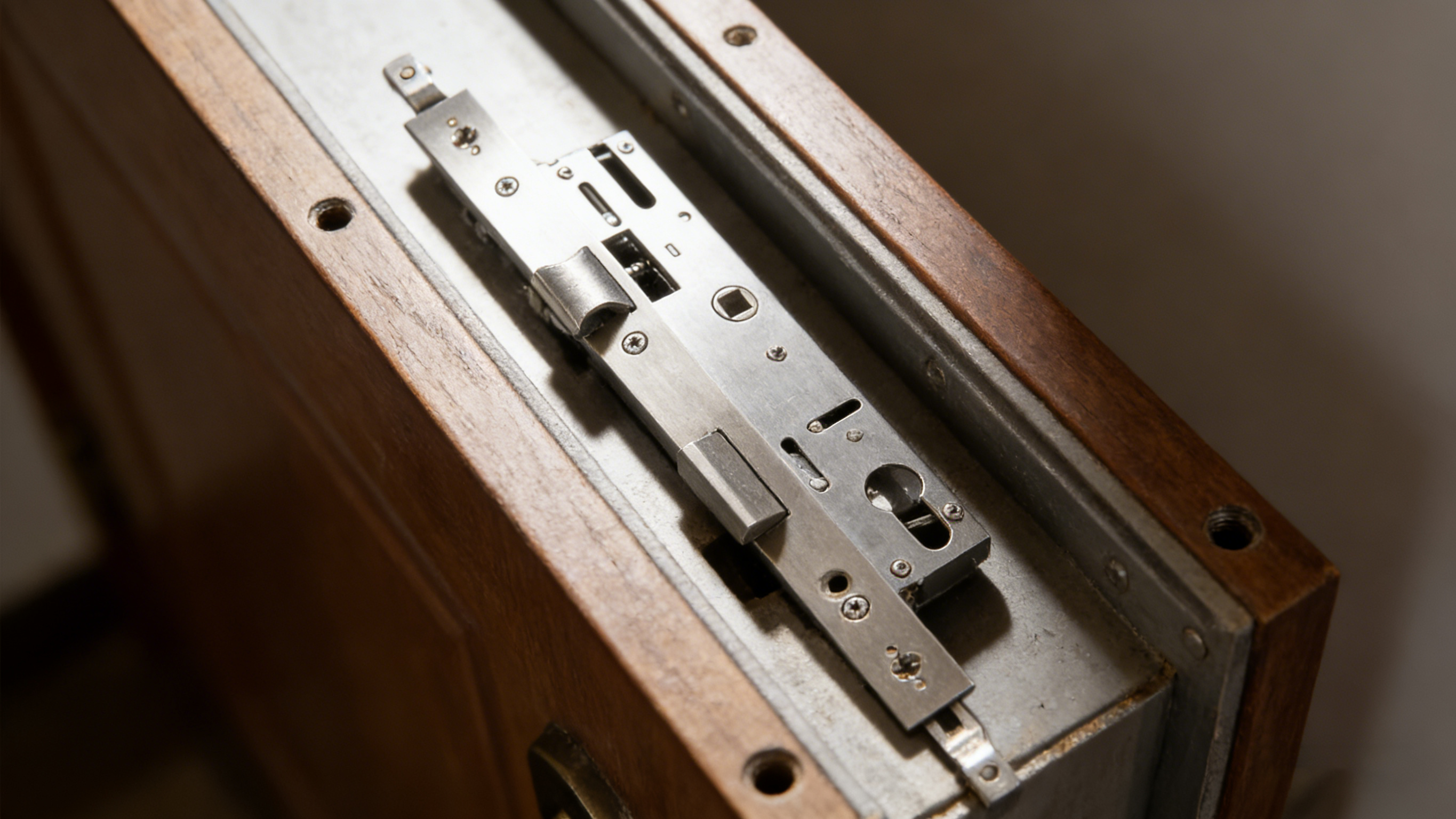
To understand why sizing varies so much, it helps to understand what a mortise lock actually is. Unlike a standard deadbolt that is bored through the door, a mortise lock slides into a pocket (the "mortise") cut into the edge of the door.
Because the lock body is housed inside the door itself, the dimensions of that pocket determine the size of the lock you can install. Over the last century, different manufacturers, architectural styles, and countries have developed their own standards. A lock installed in a 1920s Victorian home will likely have different dimensions than a commercial mortise lock installed in an office building today.
There are three main variables that dictate the size:
The Case Dimensions: The physical box that holds the locking mechanism.
The Backset: The horizontal distance from the edge of the door to the center of the spindle (handle).
The Faceplate: The metal plate visible on the edge of the door.
If any of these mortise lock measurements are off, the lock won't fit the existing pocket, or the handle and keyhole won't align with the holes already drilled in your door.
Critical Measurements You Need to Know
If you are replacing a lock, you cannot simply eyeball it. You need to pull out a tape measure or a set of calipers. Here are the specific measurements that vary between models.
1. The Backset
This is arguably the most important measurement. The backset is the distance from the edge of the lock faceplate to the center of the follower (the square hole where the handle spindle goes). Common backsets for mortise locks include:
In metric regions or for imported locks, you might see 45mm, 55mm, or 60mm. If you get this wrong, your door handle will not line up with the internal mechanism.
2. Center-to-Center (PZ)
Also known as "centers," this measures the distance between the center of the handle spindle (the follower) and the center of the keyhole (or thumb turn). This measurement dictates whether your external hardware—the handles and plates—will fit the lock body.
Standard American: Often varies by brand, but common measurements exist.
Euro Profile: Often 85mm or 92mm.
Bathroom/Privacy: Often 57mm.
If you are keeping your old door handles but changing the lock body, this measurement must be exact.
3. Case Depth and Height
The case is the metal box that slides into the wood.
Case Depth: This is how far the lock goes into the door. It is usually the backset plus the space required for the mechanism behind the spindle. If your door has glass panels (lites) near the edge, a case that is too deep might hit the glass.
Case Height: The vertical measurement of the box. If the new case is taller than the old one, you will need to chisel out more wood. If it is shorter, the lock won't be secure and may rattle inside the door.
1
4. Faceplate Dimensions
The faceplate is the strip of metal visible on the edge of the door when it is open. These come in various lengths and widths. While a slightly different faceplate isn't a mechanical dealbreaker, a faceplate that is too wide for your door's thickness looks unprofessional and can compromise the door's strength.
American vs. European Standards
A major source of confusion regarding mortise lock sizes comes from the difference between American (ANSI) and European (DIN) standards.
American Mortise Locks:
These are typically heavy-duty, robust locks often found in commercial settings or high-end residential entries. They usually feature a thumb-latch grip handle on the outside. They tend to have larger case bodies and specific function codes (e.g., "entry," "storeroom," "privacy").
European (DIN) Mortise Locks:
These are common in modern apartment buildings and are becoming popular in the US for interior doors. They are generally slimmer and designed to work with "Euro cylinder" profiles. If you buy a designer door handle from a European brand, it likely requires a DIN standard lockcase.
You cannot easily swap an American mortise lock for a European one without significant patchwork on the door, as the hole placements and case dimensions are completely different.
How to Measure Your Lock for Replacement
If you need to replace a broken unit, the safest route is to remove the old lock from the door to measure it accurately. Here is a step-by-step process:
Remove the Handles: Unscrew the set screws or face screws holding the doorknobs or levers in place and pull the spindle out.
Remove the Cylinder: Open the door and locate the screw on the faceplate that aligns with the cylinder. Unscrew it, and the key cylinder should slide out.
Slide out the Body: Remove the screws securing the faceplate to the door edge. You should now be able to pull the entire mortise lock body out of the pocket.
Measure the Case: Measure the height and depth of the metal box.
Measure the Backset: Measure from the front of the faceplate to the center of the square spindle hole.
Measure the Faceplate: Record the height and width of the strip on the edge.
Compare these numbers strictly against the spec sheets of the locks you are considering buying.
Commonly Asked Questions about Mortise Locks
Can I replace a mortise lock with a standard deadbolt?
Technically, yes, but it is difficult. Because a mortise lock requires a large rectangular pocket to be cut into the door, removing it leaves a massive hole. A standard cylindrical deadbolt requires a small round hole. To switch, you would need to fill the entire mortise pocket with solid wood, glue it, sand it, repaint the door, and then drill new holes. Most homeowners find it easier to simply replace the mortise lock with a new one of the same size.
Are vintage mortise locks standard sizes?
Rarely. Antique locks from the late 19th and early 20th centuries vary wildly between manufacturers. While some modern "renovation" locks are designed to fit these older dimensions, you may need to do some light chiseling to get a modern replacement to fit an antique pocket.
How do I know if I have a mortise lock?
Look at the edge of your door. If you see a wide metal plate (usually about 1 inch wide and 5 to 8 inches tall) that houses both the latch and the deadbolt, it is likely a mortise lock. If the latch and deadbolt are on separate plates or there is no rectangular plate, you likely have a standard tubular latch or deadbolt.
Ensuring a Perfect Fit
Do mortise locks come in different sizes? Absolutely. From the depth of the case to the spacing of the keyhole, almost every aspect of these locks can vary. This variety allows them to fit a wide range of doors, from slim interior French doors to massive solid-wood front entries.
However, this variety means you cannot rush the replacement process. Taking accurate mortise lock measurements is the only way to ensure your home remains secure and your door functions smoothly. If you find the measurements confusing or can't find a direct match, purchasing a slightly smaller lock body is often better than a larger one, as you can shim the space with wood. Conversely, a larger body requires chiseling, which takes skill and specialized tools.
When in doubt, take your old lock to a specialized locksmith. They can often identify the brand and vintage, helping you find the closest modern equivalent to keep your home safe and stylish.
mortise lock sizes
Mortise lock measurements
Ansi 3 mortise lock

 English
 العربية
 Français
 Русский
 Español
 Português
 Deutsch
 italiano
 日本語
日本語 한국어
한국어 Nederlands
 Tiếng Việt
 ไทย
ไทย Polski
 Türkçe
 አማርኛ
አማርኛ ພາສາລາວ
 ភាសាខ្មែរ
 Bahasa Melayu
 ဗမာစာ
ဗမာစာ தமிழ்
தமிழ் Filipino
 Bahasa Indonesia
 magyar
 Română
 Čeština
 Монгол
 қазақ
қазақ Српски
 हिन्दी
 فارسی
فارسی Kiswahili
 Slovenčina
 Slovenščina
 Norsk
Norsk Svenska
 українська
 Ελληνικά
 Suomi
Suomi Հայերեն
 עברית
עברית Latine
 Dansk
Dansk اردو
اردو Shqip
Shqip বাংলা
বাংলা Hrvatski
 Afrikaans
 Gaeilge
 Eesti keel
 Māori
Māori සිංහල
සිංහල नेपाली
 Oʻzbekcha
 latviešu
 অসমীয়া
 Aymara
 Azərbaycan dili
 Bamanankan
 Euskara
 Беларуская мова
 भोजपुरी
 Bosanski
 Български
 Català
 Cebuano
 Corsu
Corsu ދިވެހި
 डोग्रिड ने दी
 Esperanto
 Eʋegbe
 Frysk
Frysk Galego
 ქართული
 guarani
 ગુજરાતી
 Kreyòl ayisyen
 Hausa
Hausa ʻŌlelo Hawaiʻi
 Hmoob
Hmoob íslenska
 Igbo
Igbo Ilocano
 Basa Jawa
 ಕನ್ನಡ
ಕನ್ನಡ Kinyarwanda
 गोंगेन हें नांव
 Krio we dɛn kɔl Krio
 Kurdî
Kurdî Kurdî
Kurdî Кыргызча
 Lingala
 Lietuvių
 Oluganda
 Lëtzebuergesch
 Македонски
 मैथिली
 Malagasy
 മലയാളം
 Malti
Malti मराठी
मराठी ꯃꯦꯇꯥꯏ (ꯃꯅꯤꯄꯨꯔꯤ) ꯴.
 Mizo tawng
 Chichewa
 ଓଡ଼ିଆ
ଓଡ଼ିଆ Afaan Oromoo
 پښتو
پښتو ਪੰਜਾਬੀ
 Runasimi
 Gagana Samoa
 संस्कृत
 Gaelo Albannach
 Sepeti
 Sesotho
 chiShona
 سنڌي
سنڌي Soomaali
 Basa Sunda
 Wikang Tagalog
 Тоҷикӣ
 Татарча
 తెలుగు
 ትግንያውያን
 Xitsonga
 Türkmençe
 संस्कृत
 ئۇيغۇرچە
 Cymraeg
 isiXhosa
 ייִדיש
 Yorùbá
 isiZulu