When it comes to securing your business or home, not all locks are created equal. You might see a shiny new deadbolt at the hardware store and assume it’s secure, but how do you know it can actually withstand a break-in attempt? This is where ANSI grading comes in.
The American National Standards Institute (ANSI), along with the Builders Hardware Manufacturers Association (BHMA), has established a rigorous grading system to test the durability and security of door hardware. These grades—ranging from Grade 3 (residential) to Grade 1 (heavy-duty commercial)—tell you exactly what a lock can handle.
So, why should you specifically choose ANSI grade locks for your property? The answer lies in peace of mind, long-term durability, and proven performance. In this guide, we’ll explore what these grades actually mean, why ANSI grade 1 locks are the gold standard for security, and how upgrading can save you money and headaches in the long run.
What Are ANSI Grades and Why Do They Matter?
Before diving into the benefits, it helps to understand what the grading system actually measures. ANSI/BHMA standards test locks based on three main criteria: operation, security, and cycle counts (durability).
Operation: Does the lock work smoothly without sticking?
Security: How well does it resist force, such as hammer blows or prying?
Cycle Counts: How many times can you turn the key or handle before it fails?
The grading system simplifies these complex tests into three easy-to-understand categories.
The Three Tiers of Security
Grade |
Intended Use |
Cycle Count |
Security Level |
Grade 1 |
Commercial / High-Traffic |
800,000+ (knobs) / 1,000,000+ (levers/deadbolts) |
Highest |
Grade 2 |
Light Commercial / Residential |
400,000 |
Intermediate |
Grade 3 |
Residential |
200,000 |
Basic |
Grade 1 is the top tier. These locks are built for schools, hospitals, public buildings, and commercial facilities where security is paramount and traffic is heavy. Grade 2 is common in office interiors and high-end residential entries. Grade 3 is standard for residential interior doors or secondary entry points.
Why Choose ANSI Grade 1 Locks?
If you are looking for the absolute best protection, ANSI Grade 1 locks are the clear winner. While they are often associated with commercial properties, many security-conscious homeowners are now installing ANSI grade 1 door locks on their front doors. Here is why they are worth the investment.
1. Superior Durability and Cycle Life
Commercial environments see a staggering amount of foot traffic. Think about the main entrance of a busy office building or a retail store; the door might open hundreds of times a day. An ANSI Grade 1 lock is tested to withstand at least 1,000,000 cycles for levers and deadbolts (and 800,000 for knobs).
To put that in perspective, if you used a Grade 1 lock ten times a day, it could theoretically last over 270 years. While real-world environmental factors like rust or grit might shorten that lifespan, the internal mechanism is built like a tank. This exceptional durability reduces the frequency of replacements, saving you maintenance costs over time.
2. Maximum Physical Security
Security is the primary function of any lock, and Grade 1 locks undergo the harshest testing. They are subjected to:
Impact tests: Simulating kicks or shoulder slams.
Prying tests: Ensuring the bolt stays engaged even when a crowbar is used.
Bolt strength: Measuring the amount of force required to retract the bolt when locked.
When you install an ANSI grade 1 door lock, you are installing hardware that has been proven to resist aggressive forced entry attempts. For businesses storing valuable inventory or sensitive data, this level of protection is non-negotiable.
3. Resistance to Vandalism and Abuse
In public spaces, door hardware often faces abuse—whether intentional vandalism or just rough handling. Grade 1 locks are constructed with heavier gauge metals and reinforced internal components. They are designed to resist torque (twisting force) on the lever or knob, which is a common method vandals use to break inferior locks.
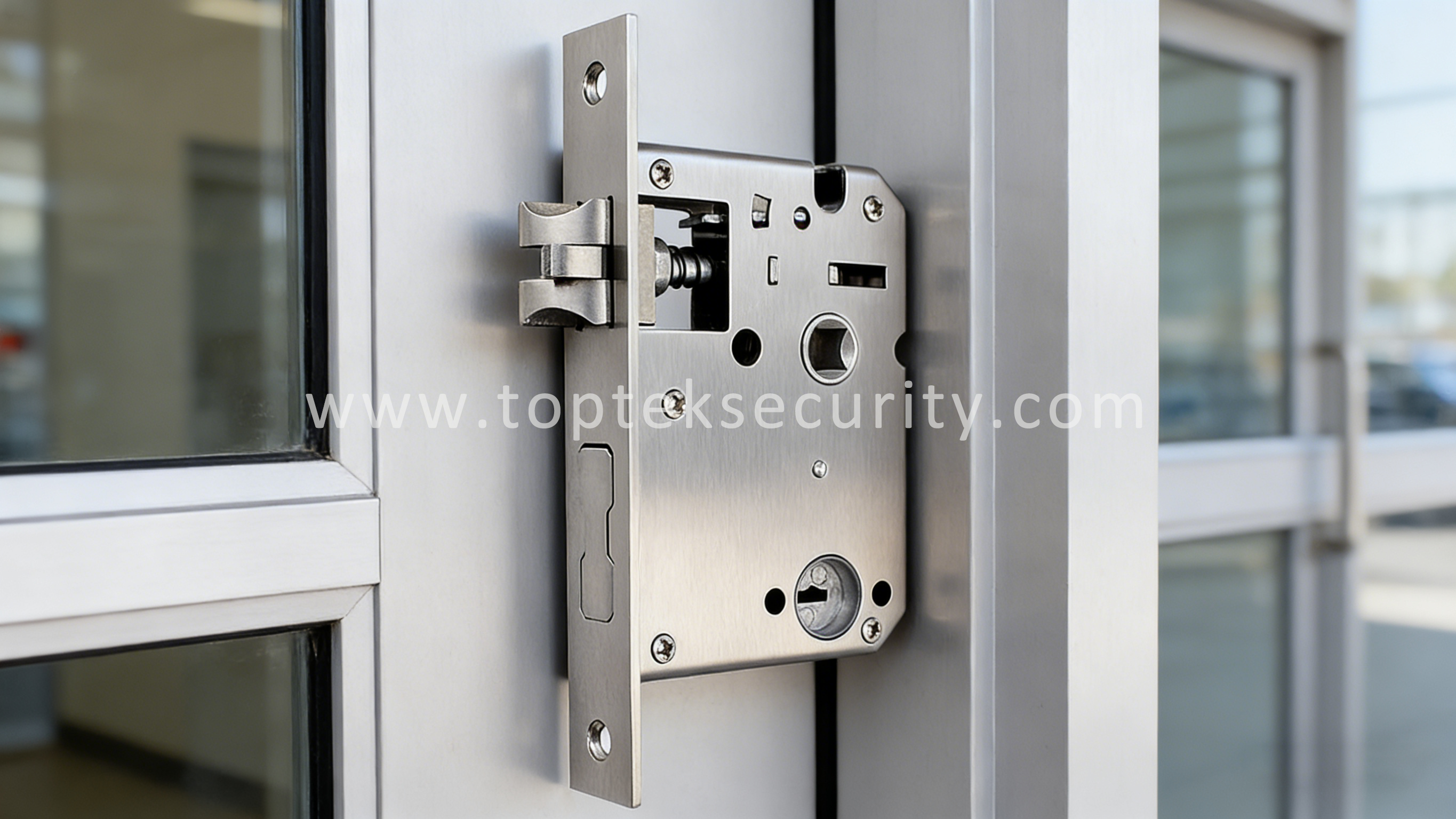
Is an ANSI Grade 1 Lock Right for You?
While Grade 1 offers the highest specs, it’s important to match the lock to the application.
For Commercial Buildings
If you manage a commercial property, ANSI grade locks are essential for exterior doors and high-security internal areas (like server rooms). Fire codes and insurance policies often require specific grades of hardware to ensure safety and liability compliance. Using anything less than Grade 1 on a main commercial entrance is likely to result in mechanical failure due to high traffic volume.
For Residential Homes
Most standard homes come equipped with Grade 3 locks. Upgrading your exterior deadbolts to Grade 2 is a significant improvement, but upgrading to an ANSI grade 1 door lock provides maximum security. It acts as a strong deterrent against kick-ins, which remain one of the most common methods of burglary.
Frequently Asked Questions (FAQ)
What is the difference between ANSI Grade 1 and Grade 2?
The primary difference is durability and strength. ANSI Grade 1 locks are heavy-duty commercial locks tested to 1 million cycles and higher impact resistance. Grade 2 locks are designed for light commercial or heavy-duty residential use, tested to 400,000 cycles. Grade 1 offers superior resistance to physical attacks.
Are ANSI Grade 1 locks worth the extra cost?
Yes, especially for exterior doors or high-traffic areas. While the upfront cost is higher than a standard Grade 3 lock, the longevity and superior security features mean you won't need to replace it as often, and you reduce the risk of break-ins.
Can I install an ANSI Grade 1 lock on my home?
Absolutely. Most ANSI grade 1 door locks are designed to fit standard door preparations. Installing a Grade 1 deadbolt is one of the most effective ways to upgrade your home security.
How do I know if a lock is ANSI graded?
Reputable manufacturers will clearly list the ANSI/BHMA grade on the packaging or product specification sheet. Look for the BHMA certified symbol or specific mentions of "ANSI Grade 1" or "Grade 2" in the product description.
Investing in Security is Investing in Peace of Mind
Choosing the right lock isn't just about locking a door; it's about securing what's behind it. Whether you are protecting a commercial facility with high foot traffic or ensuring your family is safe at home, ANSI grade locks provide a standardized, reliable benchmark for quality.
By opting for ANSI Grade 1 locks, you ensure that your hardware meets the highest industry standards for strength and endurance. It’s a choice that prioritizes safety, reduces long-term maintenance, and provides the confidence that your property is well-protected.
If you’re ready to upgrade your security with high-quality, certified commercial hardware, Toptek Security offers a wide range of mechanical and electrified solutions designed to meet these rigorous standards.
ANSl Grade Locks
ansi grade 1 locks
ansi grade 1 door lock

 English
 العربية
 Français
 Русский
 Español
 Português
 Deutsch
 italiano
 日本語
日本語 한국어
한국어 Nederlands
 Tiếng Việt
 ไทย
ไทย Polski
 Türkçe
 አማርኛ
አማርኛ ພາສາລາວ
 ភាសាខ្មែរ
 Bahasa Melayu
 ဗမာစာ
ဗမာစာ தமிழ்
தமிழ் Filipino
 Bahasa Indonesia
 magyar
 Română
 Čeština
 Монгол
 қазақ
қазақ Српски
 हिन्दी
 فارسی
فارسی Kiswahili
 Slovenčina
 Slovenščina
 Norsk
Norsk Svenska
 українська
 Ελληνικά
 Suomi
Suomi Հայերեն
 עברית
עברית Latine
 Dansk
Dansk اردو
اردو Shqip
Shqip বাংলা
বাংলা Hrvatski
 Afrikaans
 Gaeilge
 Eesti keel
 Māori
Māori සිංහල
සිංහල नेपाली
 Oʻzbekcha
 latviešu
 অসমীয়া
 Aymara
 Azərbaycan dili
 Bamanankan
 Euskara
 Беларуская мова
 भोजपुरी
 Bosanski
 Български
 Català
 Cebuano
 Corsu
Corsu ދިވެހި
 डोग्रिड ने दी
 Esperanto
 Eʋegbe
 Frysk
Frysk Galego
 ქართული
 guarani
 ગુજરાતી
 Kreyòl ayisyen
 Hausa
Hausa ʻŌlelo Hawaiʻi
 Hmoob
Hmoob íslenska
 Igbo
Igbo Ilocano
 Basa Jawa
 ಕನ್ನಡ
ಕನ್ನಡ Kinyarwanda
 गोंगेन हें नांव
 Krio we dɛn kɔl Krio
 Kurdî
Kurdî Kurdî
Kurdî Кыргызча
 Lingala
 Lietuvių
 Oluganda
 Lëtzebuergesch
 Македонски
 मैथिली
 Malagasy
 മലയാളം
 Malti
Malti मराठी
मराठी ꯃꯦꯇꯥꯏ (ꯃꯅꯤꯄꯨꯔꯤ) ꯴.
 Mizo tawng
 Chichewa
 ଓଡ଼ିଆ
ଓଡ଼ିଆ Afaan Oromoo
 پښتو
پښتو ਪੰਜਾਬੀ
 Runasimi
 Gagana Samoa
 संस्कृत
 Gaelo Albannach
 Sepeti
 Sesotho
 chiShona
 سنڌي
سنڌي Soomaali
 Basa Sunda
 Wikang Tagalog
 Тоҷикӣ
 Татарча
 తెలుగు
 ትግንያውያን
 Xitsonga
 Türkmençe
 संस्कृत
 ئۇيغۇرچە
 Cymraeg
 isiXhosa
 ייִדיש
 Yorùbá
 isiZulu