You are here:Home » News » How Electrified Mortise Locks Enhance Security for Commercial Buildings
How Electrified Mortise Locks Enhance Security for Commercial Buildings
Views: 0 Author: Site Editor Publish Time: 2025-06-06 Origin: Site
Introduction
Are you concerned about the security of your commercial building? With increasing risks of theft and unauthorized access, it's more important than ever to ensure your building is secure. Electrified mortise locks are a modern solution that addresses these security concerns. Unlike traditional locks, they offer advanced features like remote access and real-time monitoring, becoming a key component of commercial security systems. In this post, we’ll explore how electrified mortise locks work, their benefits for commercial buildings, and why they’re a must-have in today’s security landscape.
Benefits of Electrified Mortise Locks for Commercial Buildings
What Makes Electrified Mortise Locks Ideal for Commercial Settings?
Durability: Made from high-quality materials like stainless steel, electrified mortise locks are built to withstand daily wear and tear. They are ideal for high-traffic commercial environments, such as office buildings and hospitals.
Resistance to Tampering and Vandalism: These locks are designed to resist forced entry. Their construction and advanced security features prevent tampering and vandalism, offering superior protection compared to traditional locks.
Integration with Modern Security Systems: Electrified mortise locks integrate with technologies like RFID, biometrics, and keypads, allowing businesses to control who enters specific areas. This integration enhances both security and convenience.
How Do Electrified Mortise Locks Improve Security?
Controlled Access: These locks allow for remote locking and unlocking. You can manage access from a central location, providing flexibility and control, especially for after-hours entry or employee access.
Enhanced Security Features: Real-time monitoring of lock status helps detect unauthorized access attempts. Alerts and alarms can trigger responses instantly, preventing security breaches.
Compliance with Fire Safety Regulations: Fire-rated electrified mortise locks automatically unlock in emergencies, ensuring escape routes remain clear and safe, while complying with fire safety standards.
Technical Aspects of Electrified Mortise Locks
What Materials Are Electrified Mortise Locks Made From?
Material
Benefit
Stainless Steel (304/430)
Corrosion-resistant and durable for commercial environments.
Friction-Reducing Mechanisms
Minimizes wear, ensuring smooth operation over time.
Durability for High-Frequency Use
Designed to withstand frequent use in busy commercial settings.
How Do Electrified Mortise Locks Work?
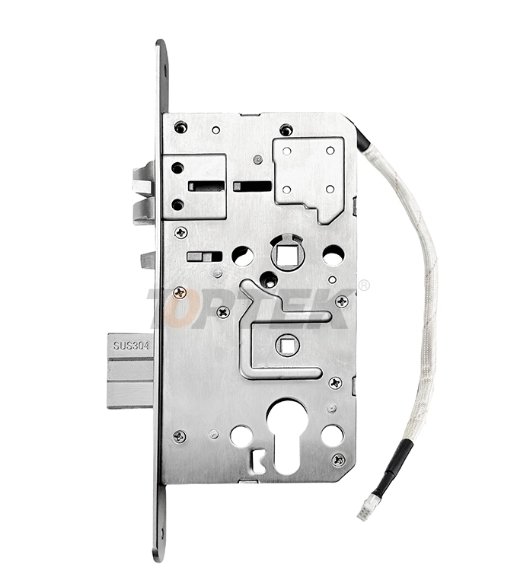
Electronic Components: Electrified mortise locks use electronic circuits to manage and control access. These circuits communicate with access control systems like card readers and biometric scanners, enabling efficient security management.
4-Position Status Sensing: This feature allows for real-time monitoring of the lock's status, alerting you if it's locked, unlocked, or compromised.
Integration with Alarm Systems: The locks integrate seamlessly with alarm systems, sending alerts when unauthorized access is detected, which helps businesses react promptly to potential breaches.
What Certifications Do Electrified Mortise Locks Have?
EN12209 Certification: Ensures compliance with European security standards, guaranteeing the lock’s high performance and reliability.
Fire-Rated Certification (e.g., EN1634): These locks meet fire safety standards, automatically unlocking during emergencies to ensure safe evacuations.
Applications and Use Cases for Electrified Mortise Locks
Where Are Electrified Mortise Locks Most Beneficial?
High-Security Areas: Electrified mortise locks are perfect for high-security environments like government buildings, financial institutions, and data centers. These places require the highest levels of security to protect sensitive information and prevent unauthorized access.
Commercial Settings: These locks are also beneficial for office buildings, hospitals, schools, and airports, providing robust security solutions for both employees and the public.
How Do Electrified Mortise Locks Enhance Access Control?
Integration with Access Systems: They work seamlessly with RFID card readers, biometric scanners, and keypads, allowing businesses to control who enters their buildings. This integration provides efficient access management and ensures that only authorized personnel can enter restricted areas.
User-Specific Access: These locks allow businesses to assign specific access rights to employees, ensuring that access is granted only to authorized individuals.
Remote Access & Monitoring: One of the key advantages of electrified mortise locks is the ability to remotely monitor and control access. This feature enhances security management and enables businesses to respond quickly to potential security threats.
Comparing Electrified Mortise Locks to Other Lock Types
How Do Electrified Mortise Locks Compare to Magnetic Locks?
Feature
Electrified Mortise Lock
Magnetic Lock
Concealment
Better concealed inside the door mechanism
External parts can be tampered with
Tamper Resistance
Highly tamper-resistant
Easier to bypass
Integration with Security Systems
Integrates seamlessly with modern systems
Limited integration options
Vulnerability to Power Failure
Not affected by power outages with battery backup
Dependent on continuous power supply
Electrified Mortise Locks vs. Mechanical Locks
Feature
Electrified Mortise Lock
Mechanical Lock
Ease of Management
Remote access and real-time monitoring for easy management
Manual operation, harder to manage at scale
Security Features
Enhanced with electronic access and integration with alarms
Basic security, limited monitoring capabilities
Cost Considerations and Return on Investment
Are Electrified Mortise Locks Expensive?
Initial Cost vs. Long-Term Savings: Although the upfront cost is higher, electrified mortise locks offer long-term savings due to reduced maintenance needs and improved security.
Why the Upfront Investment is Worth It: Investing in these locks ensures better protection and reduces the risk of unauthorized access, making them valuable for commercial buildings.
Durability & Maintenance: These locks have low maintenance costs over time because of their durable materials and fewer repair needs compared to traditional locks.
Maintenance and Longevity of Electrified Mortise Locks
How Long Do Electrified Mortise Locks Last?
Average Lifespan: Typically lasts up to 200,000 cycles or more with proper maintenance.
Factors Affecting Longevity: Usage frequency, environmental conditions, and proper installation play significant roles in ensuring long-term durability.
How to Maintain Electrified Mortise Locks?
Routine Checks: Regularly inspect locks for wear and tear.
Clean Sensors and Circuits: Keep components clean to avoid malfunctions.
When to Replace Components: Replace worn-out parts to maintain optimal security.
Troubleshooting Common Issues with Electrified Mortise Locks
What to Do if the Lock Doesn’t Work?
Common Issues: Malfunctioning sensors or power failure can prevent the lock from functioning. Check the power supply, clean the sensor, and test the lock mechanism.
How to Handle Power Outages?
Battery Backup Systems: Electrified mortise locks often come with battery backup systems, ensuring continued functionality during power losses.
UPS (Uninterruptible Power Supply): A UPS system can provide power during outages, ensuring uninterrupted security operations.
Industry Trends and the Future of Electrified Mortise Locks
How Are Electrified Mortise Locks Evolving?
Integration with Smart Buildings: Increasingly connected to IoT devices for seamless control and monitoring.
Innovations: Bluetooth technology and mobile app integrations allow for keyless entry and remote monitoring, offering greater convenience.
AI-Enabled Security: AI is being integrated to analyze access patterns and detect potential security risks.
What Are the Emerging Security Needs in Commercial Buildings?
Electrified Mortise Locks in Building Security: Electrified mortise locks are crucial for smarter, more secure buildings, offering integration with advanced systems.
Conclusion
Investing in electrified mortise locks offers enhanced security, reliability, and easier management for commercial buildings. They are cost-effective in the long term and help meet fire safety standards. To secure your building, contact security experts for installation and maintenance. Choose the right electrified mortise lock system tailored to your commercial needs.
FAQ
Q: What is an electrified mortise lock?
A: An electrified mortise lock is a type of lock that uses electricity to control access and improve security, providing features like integration with access control systems and real-time monitoring.
Q: How does an electrified mortise lock improve security in a commercial building?
A: It provides controlled access, tamper resistance, and integration with modern security systems such as alarms, sensors, and access control devices, enhancing overall building security.
Q: Can electrified mortise locks be used in high-security environments?
A: Yes, they are ideal for high-security areas such as government buildings, financial institutions, and data centers due to their durability, resistance to tampering, and ability to integrate with advanced security systems.
Q: How long do electrified mortise locks last?
A: Typically, they can last up to 200,000 cycles or more with proper maintenance, making them a durable choice for commercial buildings.
Q: Are electrified mortise locks expensive to maintain?
A: They may have a higher initial cost, but they offer long-term savings due to reduced maintenance needs and enhanced reliability compared to traditional locks.

 English
 العربية
 Français
 Русский
 Español
 Português
 Deutsch
 italiano
 日本語
日本語 한국어
한국어 Nederlands
 Tiếng Việt
 ไทย
ไทย Polski
 Türkçe
 አማርኛ
አማርኛ ພາສາລາວ
 ភាសាខ្មែរ
 Bahasa Melayu
 ဗမာစာ
ဗမာစာ தமிழ்
தமிழ் Filipino
 Bahasa Indonesia
 magyar
 Română
 Čeština
 Монгол
 қазақ
қазақ Српски
 हिन्दी
 فارسی
فارسی Kiswahili
 Slovenčina
 Slovenščina
 Norsk
Norsk Svenska
 українська
 Ελληνικά
 Suomi
Suomi Հայերեն
 עברית
עברית Latine
 Dansk
Dansk اردو
اردو Shqip
Shqip বাংলা
বাংলা Hrvatski
 Afrikaans
 Gaeilge
 Eesti keel
 Māori
Māori සිංහල
සිංහල नेपाली
 Oʻzbekcha
 latviešu
 অসমীয়া
 Aymara
 Azərbaycan dili
 Bamanankan
 Euskara
 Беларуская мова
 भोजपुरी
 Bosanski
 Български
 Català
 Cebuano
 Corsu
Corsu ދިވެހި
 डोग्रिड ने दी
 Esperanto
 Eʋegbe
 Frysk
Frysk Galego
 ქართული
 guarani
 ગુજરાતી
 Kreyòl ayisyen
 Hausa
Hausa ʻŌlelo Hawaiʻi
 Hmoob
Hmoob íslenska
 Igbo
Igbo Ilocano
 Basa Jawa
 ಕನ್ನಡ
ಕನ್ನಡ Kinyarwanda
 गोंगेन हें नांव
 Krio we dɛn kɔl Krio
 Kurdî
Kurdî Kurdî
Kurdî Кыргызча
 Lingala
 Lietuvių
 Oluganda
 Lëtzebuergesch
 Македонски
 मैथिली
 Malagasy
 മലയാളം
 Malti
Malti मराठी
मराठी ꯃꯦꯇꯥꯏ (ꯃꯅꯤꯄꯨꯔꯤ) ꯴.
 Mizo tawng
 Chichewa
 ଓଡ଼ିଆ
ଓଡ଼ିଆ Afaan Oromoo
 پښتو
پښتو ਪੰਜਾਬੀ
 Runasimi
 Gagana Samoa
 संस्कृत
 Gaelo Albannach
 Sepeti
 Sesotho
 chiShona
 سنڌي
سنڌي Soomaali
 Basa Sunda
 Wikang Tagalog
 Тоҷикӣ
 Татарча
 తెలుగు
 ትግንያውያን
 Xitsonga
 Türkmençe
 संस्कृत
 ئۇيغۇرچە
 Cymraeg
 isiXhosa
 ייִדיש
 Yorùbá
 isiZulu