Fitting a mortice lock is a classic carpentry skill that enhances the security of your home. While it might seem daunting, with the right tools and a bit of patience, it's a project most DIY enthusiasts can tackle. Installing a mortice lock properly ensures your external doors are secure and function smoothly.
This guide will provide a clear, step-by-step process for fitting a mortice lock into a wooden door. We'll cover everything from the tools you'll need to marking out, chiseling, and final installation. By the end, you'll have the confidence and knowledge to add a professional level of security to your home.
Understanding the mortice lock
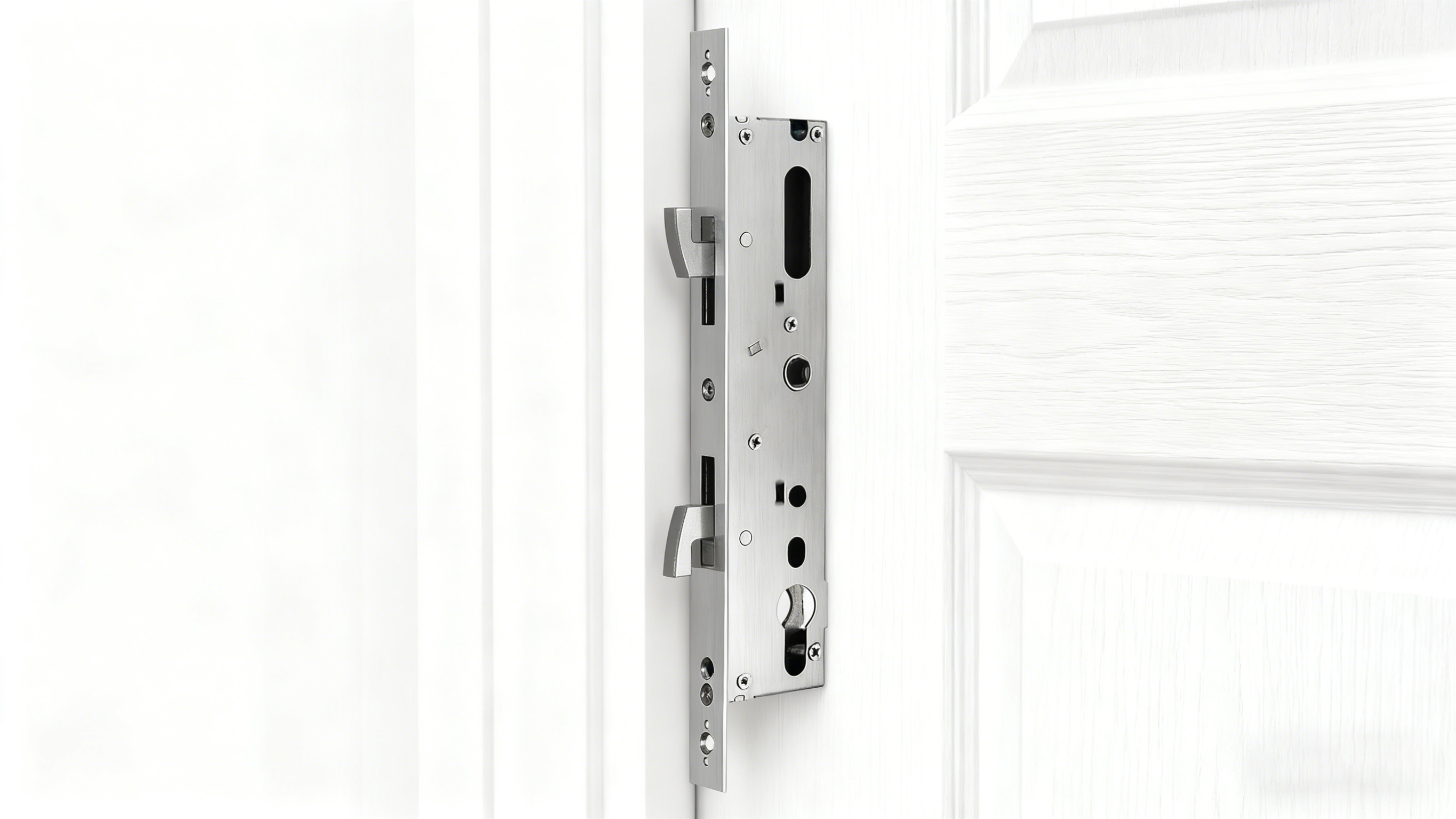
Before we begin, let's clarify what a mortice lock is. Unlike a cylinder rim lock (or Yale lock), which is mounted onto the surface of a door, a mortice lock is fitted into a pocket—the mortice—cut into the edge of the door. This makes it more secure and less visible.
There are two main types of mortice locks:
Mortice Deadlock: This lock features a single bolt that is operated by a key. It offers a solid, secure locking point.
Mortice Sashlock: This type includes both a key-operated deadbolt and a latch, which is operated by a door handle. It's common on back doors and internal doors that require locking.
For external doors, a 5-lever mortice deadlock is often the standard recommended by insurance companies because it offers a higher level of security against picking and drilling.
Tools and materials you'll need
Gathering your tools before you start will make the process much smoother. Here’s what you’ll need:
Tools:
A sharp pencil
Measuring tape
Combination square or try square
Drill (cordless or corded)
A selection of flat wood drill bits
A set of sharp wood chisels (e.g., 1/2-inch and 1-inch)
A wooden mallet or hammer
Screwdriver
Utility knife
Materials:
Safety First: Always wear safety glasses when drilling or chiseling to protect your eyes from wood chips and dust. Sharp chisels are essential for a clean job, but handle them with care.
Step 1: Marking the door
Accurate marking is the most critical part of this job. Take your time to get it right, as all subsequent steps depend on it.
Mark the lock position
First, decide on the height for your lock. A comfortable height for the keyhole is typically around one meter (about 39 inches) from the floor. This also aligns well with standard door handle heights if you're fitting a sashlock.
Once you've chosen the height, use your tape measure and combination square to draw a horizontal line across the face of the door and around onto the door edge. This line represents the center of the keyhole.
Mark the mortice pocket
Now, place the lock body against the edge of the door. Align the keyhole on the lock with the horizontal line you just drew. Use your pencil to mark the top and bottom of the lock body on the door edge.
Next, find the center of the door's thickness. You can do this by measuring the door's thickness and dividing by two. Use your combination square to scribe a line down the center of the door edge, between your top and bottom marks. This centered line will guide your drilling and chiseling.
Step 2: Cutting the mortice pocket
With your markings complete, you can now create the pocket for the lock.
Drill out the waste wood
Select a flat wood drill bit that is slightly narrower than the thickness of your lock body. This ensures you don't accidentally make the mortice too wide.
Wrap a piece of masking tape around your drill bit to mark the depth you need to drill. To find this depth, hold the drill bit against the side of the lock body. The tape should align with the end of the lock's faceplate.
Start drilling a series of holes along the centerline you marked on the door edge. Drill between the top and bottom marks for the lock body. Keep the drill as straight and level as possible. Overlapping the holes slightly will make it easier to remove the remaining wood.
Chisel the mortice
Once you've drilled out the bulk of the wood, it's time to clean up the mortice with a chisel.
Using a sharp chisel and a mallet, carefully remove the remaining wood between the drilled holes. Work from both sides towards the middle. Keep your chisel perpendicular to the door edge to ensure the sides of the mortice are straight.
Periodically check the fit of the lock body. The goal is a snug fit—not so tight that you have to force it in, but not so loose that it rattles. Continue to pare away small amounts of wood until the lock slides in smoothly.
Step 3: Marking and cutting for the faceplate
Once the lock body fits perfectly, insert it into the mortice. The faceplate should now be sitting against the edge of the door.
Use a utility knife to carefully score around the edges of the faceplate. This creates a clean outline for the recess.
Remove the lock and use your chisel to carefully cut out the shallow recess for the faceplate. The depth should be equal to the thickness of the faceplate, allowing it to sit perfectly flush with the door edge. Take your time with this step, removing thin shavings of wood until the plate fits flush.
Step 4: Drilling the holes for the keyhole and spindle
With the lock body back in the mortice, you need to mark the positions for the keyhole and, if you're fitting a sashlock, the handle spindle.
Use a pencil or a sharp tool to mark the center of the keyhole through the lock body onto the face of the door. Do this on both sides. If you have a spindle hole, mark that as well.
Remove the lock. You now have the precise locations for your holes. Drill a pilot hole through the door from one side. Then, using a larger bit that matches the size of the keyhole escutcheon, drill halfway through from one side, then complete the hole from the other side. This prevents the wood from splintering out.
Repeat the process for the spindle hole if you're fitting a sashlock.
Step 5: Fitting the lock and strike plate
Now you can permanently install the lock.
Secure the lock
Slide the lock body into the mortice. Ensure the faceplate is flush. Drill pilot holes for the faceplate screws and then drive the screws in to secure the lock in place. Install the keyhole escutcheons on both sides of the door.
Mark and fit the strike plate
The final step is to fit the strike plate on the door frame. Close the door and, with the lock's bolt extended, mark where the top and bottom of the bolt meet the frame.
Open the door and use your combination square to transfer these marks onto the inside face of the door frame.
Hold the strike plate against the frame, aligning it with your marks. Draw around the strike plate and the inner hole for the bolt.
Drill and chisel out the recess for the bolt in the door frame. Then, chisel a shallow recess for the strike plate itself so it sits flush with the frame. Screw the strike plate into position.
Test the lock. The bolt should move smoothly into the strike plate without catching. If it's stiff, you may need to adjust the position of the strike plate or slightly enlarge the hole in the frame.
A secure finish
Fitting a mortice lock is a rewarding DIY task that significantly boosts your home's security. By following these steps carefully and working with precision, you can achieve a professional result. Remember that sharp tools and accurate measurements are your best friends in this project. With your new lock installed, you can have peace of mind knowing your door is properly secured.
mortice lock
External Door lock
Interior Door lock

 English
 العربية
 Français
 Русский
 Español
 Português
 Deutsch
 italiano
 日本語
日本語 한국어
한국어 Nederlands
 Tiếng Việt
 ไทย
ไทย Polski
 Türkçe
 አማርኛ
አማርኛ ພາສາລາວ
 ភាសាខ្មែរ
 Bahasa Melayu
 ဗမာစာ
ဗမာစာ தமிழ்
தமிழ் Filipino
 Bahasa Indonesia
 magyar
 Română
 Čeština
 Монгол
 қазақ
қазақ Српски
 हिन्दी
 فارسی
فارسی Kiswahili
 Slovenčina
 Slovenščina
 Norsk
Norsk Svenska
 українська
 Ελληνικά
 Suomi
Suomi Հայերեն
 עברית
עברית Latine
 Dansk
Dansk اردو
اردو Shqip
Shqip বাংলা
বাংলা Hrvatski
 Afrikaans
 Gaeilge
 Eesti keel
 Māori
Māori සිංහල
සිංහල नेपाली
 Oʻzbekcha
 latviešu
 অসমীয়া
 Aymara
 Azərbaycan dili
 Bamanankan
 Euskara
 Беларуская мова
 भोजपुरी
 Bosanski
 Български
 Català
 Cebuano
 Corsu
Corsu ދިވެހި
 डोग्रिड ने दी
 Esperanto
 Eʋegbe
 Frysk
Frysk Galego
 ქართული
 guarani
 ગુજરાતી
 Kreyòl ayisyen
 Hausa
Hausa ʻŌlelo Hawaiʻi
 Hmoob
Hmoob íslenska
 Igbo
Igbo Ilocano
 Basa Jawa
 ಕನ್ನಡ
ಕನ್ನಡ Kinyarwanda
 गोंगेन हें नांव
 Krio we dɛn kɔl Krio
 Kurdî
Kurdî Kurdî
Kurdî Кыргызча
 Lingala
 Lietuvių
 Oluganda
 Lëtzebuergesch
 Македонски
 मैथिली
 Malagasy
 മലയാളം
 Malti
Malti मराठी
मराठी ꯃꯦꯇꯥꯏ (ꯃꯅꯤꯄꯨꯔꯤ) ꯴.
 Mizo tawng
 Chichewa
 ଓଡ଼ିଆ
ଓଡ଼ିଆ Afaan Oromoo
 پښتو
پښتو ਪੰਜਾਬੀ
 Runasimi
 Gagana Samoa
 संस्कृत
 Gaelo Albannach
 Sepeti
 Sesotho
 chiShona
 سنڌي
سنڌي Soomaali
 Basa Sunda
 Wikang Tagalog
 Тоҷикӣ
 Татарча
 తెలుగు
 ትግንያውያን
 Xitsonga
 Türkmençe
 संस्कृत
 ئۇيغۇرچە
 Cymraeg
 isiXhosa
 ייִדיש
 Yorùbá
 isiZulu