When securing a property, understanding the different types of locks available is the first step toward making an informed decision. You've likely come across terms like "mechanical lock" and "mortise lock," but the relationship between them can sometimes be unclear. Are they different categories altogether, or does one fall under the umbrella of the other?
This guide will clarify the connection between these two common locking systems. We will explore what defines a mechanical lock, how a mortise lock functions, and ultimately answer the question: is a mortise lock a mechanical lock? By the end, you'll have a clear understanding of these essential security components and be better equipped to choose the right hardware for your needs.
What is a Mechanical Lock?
Before we can classify a mortise lock, we need to define what a mechanical lock is. At its core, a mechanical lock is any locking device that operates using only physical components and forces. It does not rely on electricity, batteries, or any form of electronic data to function.
Think of a traditional lock and key. When you insert a key into the lock, its unique pattern of ridges and grooves aligns a series of internal pins or tumblers. Once these components are in the correct position, the lock's cylinder can turn, retracting a bolt and allowing the door to open. Every part of this process is physical, from the movement of the key to the sliding of the bolt.
Key Characteristics of Mechanical Locks
No Power Source Required: The most defining feature is their independence from electrical power. They work during power outages without any issue.
Physical Key or Code: Operation typically requires a physical key or the manual input of a combination on a dial or keypad.
Internal Components: They consist of tangible parts like pins, springs, tumblers, levers, and bolts that move in response to the key or code.
Proven Reliability: Mechanical locks have been used for centuries. Their designs are time-tested, offering a high degree of reliability and durability when properly maintained.
Common examples of mechanical locks include deadbolts, padlocks, cylindrical locks (the kind with a knob or lever you see on most residential interior doors), and combination locks. They are the foundation of physical security and remain widely used in both residential and commercial settings.
Understanding the Mortise Lock
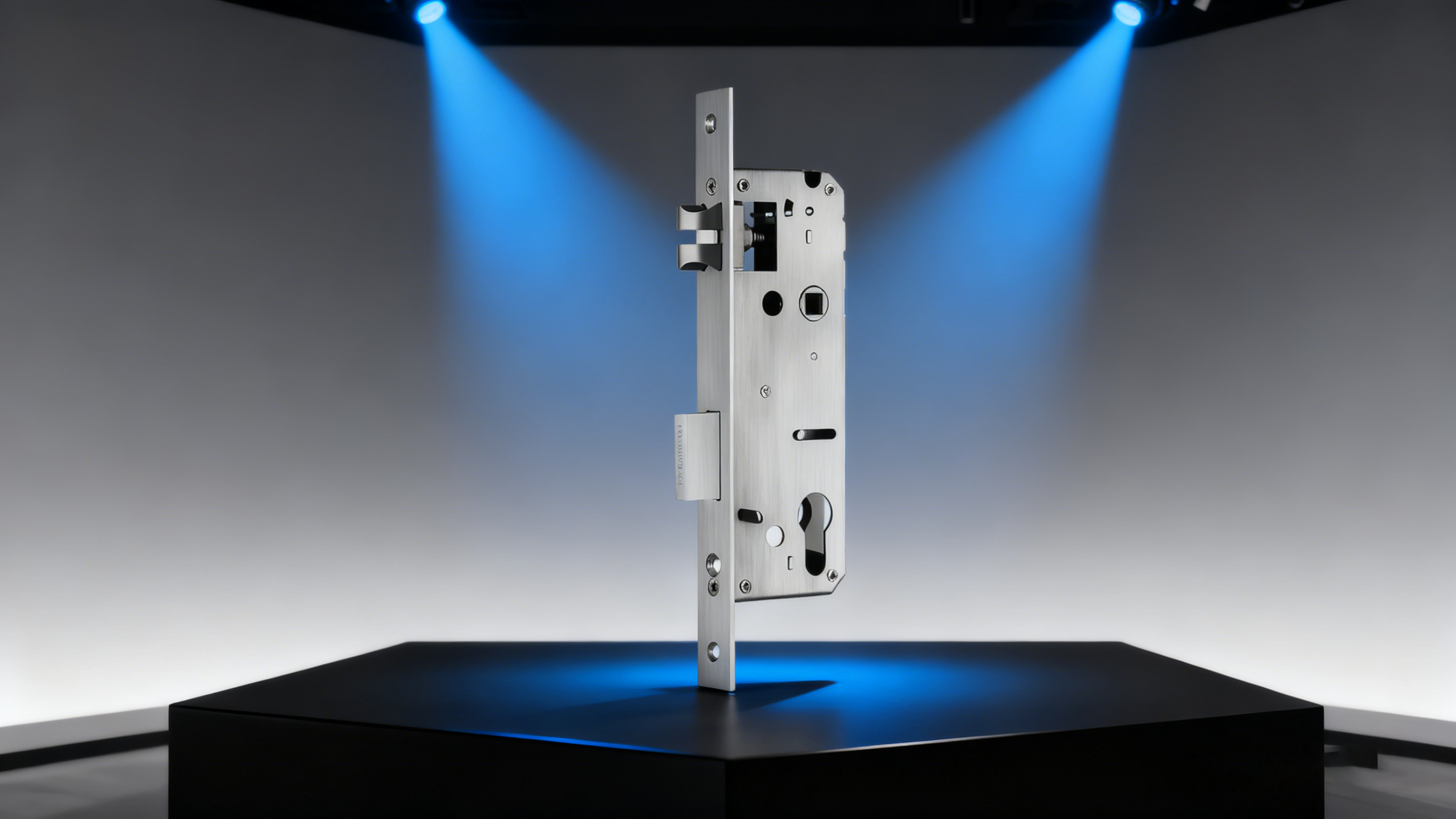
Now, let's turn our attention to the mortise lock. The term "mortise" refers to the pocket or recess cut into the edge of a door where the lock body is installed. Unlike cylindrical locks that are installed by drilling two simple holes, a mortise lock requires a more complex and precise pocket to be chiseled out. This installation method is what gives the lock its name.
A mortise lock system is typically more robust and complex than a standard cylindrical lock. It consists of several components:
Lock Body: The main part of the lock that sits inside the mortise pocket. It contains the internal mechanisms, including the latch bolt and deadbolt.
Lock Trim: The visible parts of the lock, including the handles (levers or knobs), thumbturns, and escutcheon plates that cover the lock body on the face of the door.
Strike Plate: A metal plate installed on the door frame that reinforces the jamb and receives the latch and deadbolt when the door is closed.
Keyed Cylinder: The cylinder where the key is inserted to operate the lock.
Mortise locks are renowned for their strength, durability, and versatility. They often combine multiple functions into a single unit, such as a latch bolt operated by the handle and a separate deadbolt for enhanced security. Because the lock body is integrated within the door itself, it provides a stronger defense against forced entry compared to locks that are simply attached to the door's surface.
So, Is a Mortise Lock a Mechanical Lock?
Yes, a mortise lock is unequivocally a type of mechanical lock.
Let's revisit our definitions. A mechanical lock operates entirely through physical components without the need for electricity. A standard mortise lock fits this description perfectly. It uses a key to align internal levers or pins, which in turn allows the cam to rotate and engage or retract the deadbolt. The handles physically retract the latch bolt via a spindle and springs. Every action is a direct result of physical force and movement.
A mortise lock is simply a specific form factor of a mechanical lock, defined by its installation method (being set into a mortise pocket) and its robust, integrated design. It is not a separate category of technology. Rather, "mechanical" describes how the lock operates, while "mortise" describes its physical construction and how it is fitted to the door.
The Rise of Electronic Mortise Locks
To add a layer of complexity, technology has evolved. Today, you can find electronic mortise locks. These are hybrid devices that combine the strong, durable body of a traditional mortise lock with modern electronic access control features.
These locks still fit into a mortise pocket and have the same robust internal boltwork. However, they incorporate electronic components to control the locking mechanism. Instead of or in addition to a mechanical key, they can be operated via:
Keypads (PIN codes)
Card readers (proximity cards or fobs)
Biometric scanners (fingerprints)
Smartphone apps (Bluetooth or Wi-Fi)
Even with these electronic features, the core of the lock—the boltwork that physically secures the door—is still a mechanical assembly. The electronics simply provide an alternative method to authorize the retraction of that mechanical bolt. Most electronic mortise locks also include a mechanical key override, allowing the lock to be opened with a traditional key if the electronics fail or the power goes out.
The existence of electronic versions does not change the fundamental classification of a standard mortise lock. A traditional, key-operated mortise lock remains a purely mechanical device.
Your Security, Clarified
Understanding the terminology of locks is crucial for ensuring the security of your property. A mortise lock is a robust and reliable type of mechanical lock, valued for its strength and integrated design. It operates on physical principles, just like any other mechanical lock, and does not require an external power source.
While electronic mortise locks now offer advanced access control features, they build upon the same strong mechanical foundation. For anyone seeking a time-tested, durable, and highly secure locking solution, the traditional mechanical mortise lock remains an outstanding choice. It represents a category of lock construction, not a departure from the mechanical principles that have secured doors for centuries.
If you are considering upgrading your security, knowing that a mortise lock is a premium form of mechanical lock can help guide your decision toward a solution that offers both strength and reliability.
commercial mortise locks
mortise lock
mortise cylinders

 English
 العربية
 Français
 Русский
 Español
 Português
 Deutsch
 italiano
 日本語
日本語 한국어
한국어 Nederlands
 Tiếng Việt
 ไทย
ไทย Polski
 Türkçe
 አማርኛ
አማርኛ ພາສາລາວ
 ភាសាខ្មែរ
 Bahasa Melayu
 ဗမာစာ
ဗမာစာ தமிழ்
தமிழ் Filipino
 Bahasa Indonesia
 magyar
 Română
 Čeština
 Монгол
 қазақ
қазақ Српски
 हिन्दी
 فارسی
فارسی Kiswahili
 Slovenčina
 Slovenščina
 Norsk
Norsk Svenska
 українська
 Ελληνικά
 Suomi
Suomi Հայերեն
 עברית
עברית Latine
 Dansk
Dansk اردو
اردو Shqip
Shqip বাংলা
বাংলা Hrvatski
 Afrikaans
 Gaeilge
 Eesti keel
 Māori
Māori සිංහල
සිංහල नेपाली
 Oʻzbekcha
 latviešu
 অসমীয়া
 Aymara
 Azərbaycan dili
 Bamanankan
 Euskara
 Беларуская мова
 भोजपुरी
 Bosanski
 Български
 Català
 Cebuano
 Corsu
Corsu ދިވެހި
 डोग्रिड ने दी
 Esperanto
 Eʋegbe
 Frysk
Frysk Galego
 ქართული
 guarani
 ગુજરાતી
 Kreyòl ayisyen
 Hausa
Hausa ʻŌlelo Hawaiʻi
 Hmoob
Hmoob íslenska
 Igbo
Igbo Ilocano
 Basa Jawa
 ಕನ್ನಡ
ಕನ್ನಡ Kinyarwanda
 गोंगेन हें नांव
 Krio we dɛn kɔl Krio
 Kurdî
Kurdî Kurdî
Kurdî Кыргызча
 Lingala
 Lietuvių
 Oluganda
 Lëtzebuergesch
 Македонски
 मैथिली
 Malagasy
 മലയാളം
 Malti
Malti मराठी
मराठी ꯃꯦꯇꯥꯏ (ꯃꯅꯤꯄꯨꯔꯤ) ꯴.
 Mizo tawng
 Chichewa
 ଓଡ଼ିଆ
ଓଡ଼ିଆ Afaan Oromoo
 پښتو
پښتو ਪੰਜਾਬੀ
 Runasimi
 Gagana Samoa
 संस्कृत
 Gaelo Albannach
 Sepeti
 Sesotho
 chiShona
 سنڌي
سنڌي Soomaali
 Basa Sunda
 Wikang Tagalog
 Тоҷикӣ
 Татарча
 తెలుగు
 ትግንያውያን
 Xitsonga
 Türkmençe
 संस्कृत
 ئۇيغۇرچە
 Cymraeg
 isiXhosa
 ייִדיש
 Yorùbá
 isiZulu