Security hardware can be intimidating. When you look at a commercial door lock, you might see a complex assembly of metal, springs, and latches. But often, the only part that needs replacing is the cylinder itself. If you manage a building, own a business, or are just a handy homeowner dealing with a storefront door, knowing how to measure a mortise cylinder is a small skill that saves significant time and money.
Ordering the wrong size is a common mistake. A cylinder that is too short won't engage the lock mechanism properly, leaving your door unsecured. One that is too long will stick out, creating a leverage point for burglars to attack with pliers or a wrench. Getting the fit right isn't just about aesthetics; it is about functionality and security.
This guide will walk you through exactly what a mortise cylinder is, why the measurements matter, and the step-by-step process to get the numbers right the first time.
What Is a Mortise Cylinder?
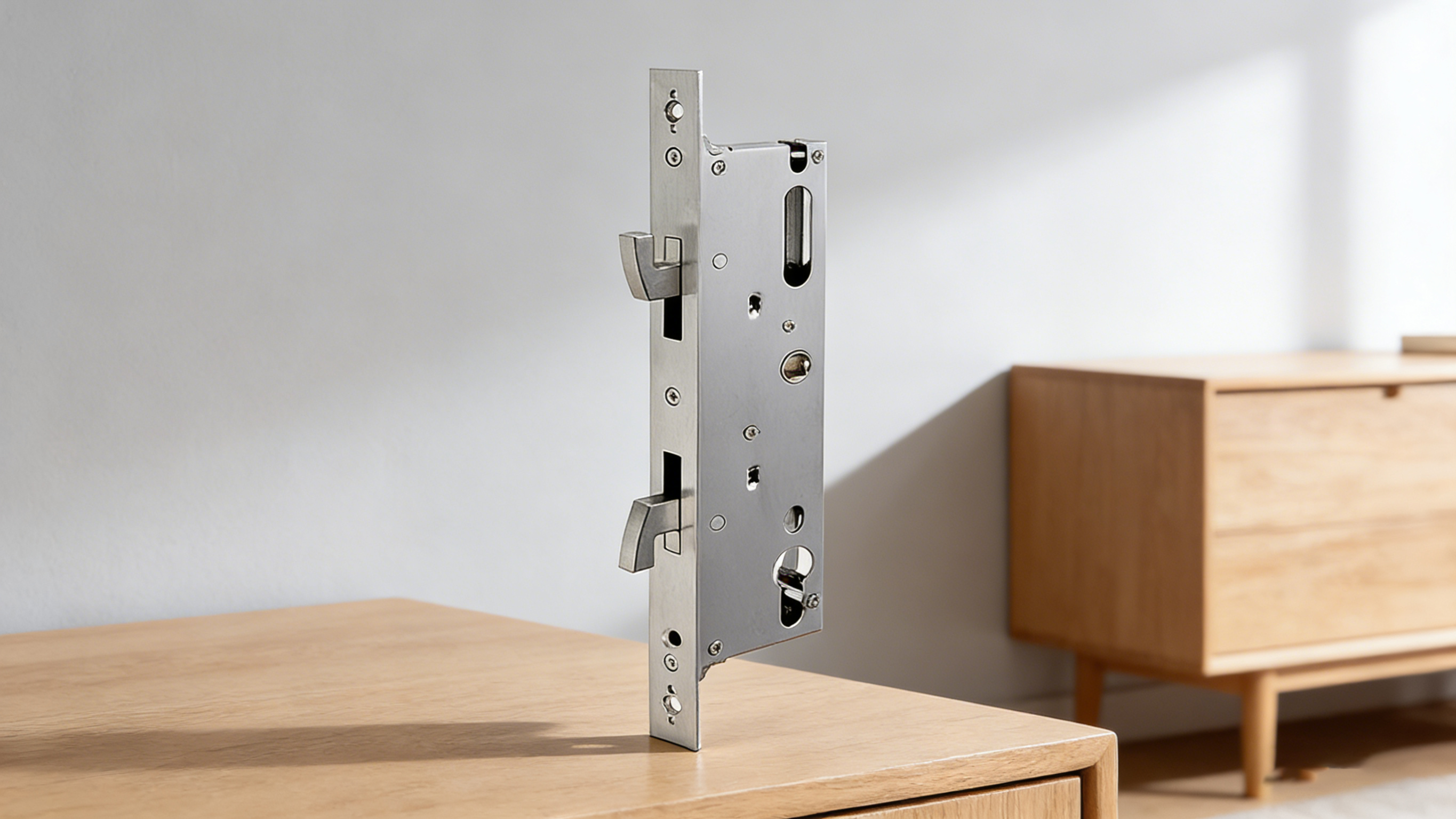
Before breaking out the ruler, it is helpful to understand what you are looking at. A mortise cylinder is a specific type of lock cylinder designed to screw into a mortise lock body. These are most commonly found on commercial glass storefront doors, aluminum frames, and heavy-duty apartment entry doors.
Unlike the common "knob" or "deadbolt" cylinders found on most residential houses (which are often "rim" cylinders or "key-in-knob" cylinders), the mortise cylinder is threaded. It looks like a large, threaded bolt with a keyhole on the front and a spinning cam on the back.
The Key Components
When measuring, you are primarily concerned with the cylinder body, but you need to know the parts to avoid confusion:
The Shell (Body): The threaded outer casing.
The Face: The front circle where you insert the key.
The Cam: The flat metal piece on the back that spins to actually throw the bolt.
The Tailpiece: While common in rim cylinders, mortise cylinders usually rely on the cam rather than a long tailpiece.
1
Why Precision Matters
You might wonder if a quarter-inch difference really matters. In the world of locksmithing, it absolutely does.
Standard mortise cylinders typically range in length from 1 inch to 1-1/4 inches, though they can go much longer for thick doors. The threading is almost always standard (1.150 x 32 UNS), so the diameter isn't usually the variable—the length is.
If you buy a 1-inch cylinder for a door that requires 1-1/4 inches, the cylinder will screw in too deep. The face of the lock will sit recessed inside the trim ring or escutcheon, making it difficult to insert the key. Worse, the cam might not reach the center of the lock case to retract the latch.
Conversely, installing a 1-1/4 inch cylinder where a 1-inch is needed results in the "stick out" problem mentioned earlier. It essentially invites a pipe wrench attack. A properly measured cylinder should sit flush with the collar or the door face.
Tools You Will Need
You don't need a professional locksmith kit to do this. You likely have everything you need in a basic junk drawer:
A Screwdriver: Usually a Phillips head, sometimes a flathead, to remove the faceplate.
A Ruler or Tape Measure: A rigid ruler or calipers is best for accuracy.
The Existing Key: To help remove the cylinder.
Step-by-Step Guide to Measuring
Follow these steps to ensure you order the perfect replacement.
Step 1: Remove the Faceplate
On the edge of the door (the part that disappears into the frame when closed), locate the lock faceplate. This is a long strip of metal held on by two screws. Remove these screws and take the faceplate off. This exposes the set screw.
Step 2: Loosen the Set Screw
Look inside the hole where the faceplate was. You should see a screw that aligns with the cylinder. This is the set screw (sometimes called a retention screw). It puts tension on the threads to keep the cylinder from unscrewing.
1
Step 3: Unscrew the Cylinder
Insert your key into the mortise cylinder partially (to use as a handle) or use the key to turn the cam to the 6 o'clock position if it's stuck. Gently unscrew the cylinder counter-clockwise. It should rotate freely once the set screw is loose.
Step 4: Measure the Length
Now that the cylinder is in your hand, you can measure it.
Place the cylinder on a flat surface.
Measure from the underside of the cylinder head (the lip that sits against the door) to the end of the cylinder body.
Do not include the cam in this measurement. You are measuring the threaded shell only.
1
Standard sizes:
Most commercial aluminum doors use a 1-inch cylinder.
Hollow metal doors often require 1-1/8 inch.
Thicker doors might need 1-1/4 inch or larger.
Step 5: Check the Cam
While you have the cylinder out, check the shape of the cam on the back. This is just as important as the length.
Standard Cam (Adams Rite): Looks like a small bowtie. Common on glass storefront doors.
Cloverleaf Cam: Shaped like a club or clover.
Yale Cam: A standard, slightly offset shape.
If you order the right length but the wrong cam, the lock won't operate. If your new cylinder comes with the wrong cam, you can often unscrew the old cam and attach it to the new cylinder, provided the screw spacing is the same.
Troubleshooting Common Issues
What if I can't remove the cylinder?
If the cylinder won't turn, the set screw might still be too tight, or the threads might be corroded. Apply a small amount of penetrating oil. Do not force it with pliers, as you can crush the threaded shell, making it impossible to remove without drilling.
What if I don't have the old cylinder?
If you are installing a lock on a new door or the old cylinder is missing, you must measure the door thickness and the hardware.
Measure the thickness of the door.
Measure the thickness of the escutcheon ring or collar you plan to use.
The cylinder length should be roughly half the door thickness plus the thickness of the trim ring.
It is safer to buy slightly longer and use a thicker trim ring (spacer) to take up the slack than to buy too short.
1
Does the brand matter?
Generally, mortise cylinders are interchangeable regarding thread size. A Schlage cylinder can fit into an Adams Rite lock body, and vice versa. However, you must ensure the keyway (the slot the key goes into) matches your existing keys if you want to keep using the same key.
Securing Your Entryway
Measuring a mortise cylinder is a straightforward task that demands a little attention to detail. By measuring from under the head to the end of the threads—and ignoring the cam—you ensure a flush, secure fit. This small maintenance task is a vital part of physical security. Whether you are swapping out locks for a new tenant or replacing a damaged unit, accuracy is your best tool.
If you find yourself with a unique door thickness or a lock body that doesn't seem to match standard sizes, taking the old cylinder to a local locksmith shop is always a safe bet. But for the vast majority of standard commercial doors, you are now equipped to measure, order, and install with confidence.
mortise cylinder lock
mortise cylinder
Mortise Lock

 English
 العربية
 Français
 Русский
 Español
 Português
 Deutsch
 italiano
 日本語
日本語 한국어
한국어 Nederlands
 Tiếng Việt
 ไทย
ไทย Polski
 Türkçe
 አማርኛ
አማርኛ ພາສາລາວ
 ភាសាខ្មែរ
 Bahasa Melayu
 ဗမာစာ
ဗမာစာ தமிழ்
தமிழ் Filipino
 Bahasa Indonesia
 magyar
 Română
 Čeština
 Монгол
 қазақ
қазақ Српски
 हिन्दी
 فارسی
فارسی Kiswahili
 Slovenčina
 Slovenščina
 Norsk
Norsk Svenska
 українська
 Ελληνικά
 Suomi
Suomi Հայերեն
 עברית
עברית Latine
 Dansk
Dansk اردو
اردو Shqip
Shqip বাংলা
বাংলা Hrvatski
 Afrikaans
 Gaeilge
 Eesti keel
 Māori
Māori සිංහල
සිංහල नेपाली
 Oʻzbekcha
 latviešu
 অসমীয়া
 Aymara
 Azərbaycan dili
 Bamanankan
 Euskara
 Беларуская мова
 भोजपुरी
 Bosanski
 Български
 Català
 Cebuano
 Corsu
Corsu ދިވެހި
 डोग्रिड ने दी
 Esperanto
 Eʋegbe
 Frysk
Frysk Galego
 ქართული
 guarani
 ગુજરાતી
 Kreyòl ayisyen
 Hausa
Hausa ʻŌlelo Hawaiʻi
 Hmoob
Hmoob íslenska
 Igbo
Igbo Ilocano
 Basa Jawa
 ಕನ್ನಡ
ಕನ್ನಡ Kinyarwanda
 गोंगेन हें नांव
 Krio we dɛn kɔl Krio
 Kurdî
Kurdî Kurdî
Kurdî Кыргызча
 Lingala
 Lietuvių
 Oluganda
 Lëtzebuergesch
 Македонски
 मैथिली
 Malagasy
 മലയാളം
 Malti
Malti मराठी
मराठी ꯃꯦꯇꯥꯏ (ꯃꯅꯤꯄꯨꯔꯤ) ꯴.
 Mizo tawng
 Chichewa
 ଓଡ଼ିଆ
ଓଡ଼ିଆ Afaan Oromoo
 پښتو
پښتو ਪੰਜਾਬੀ
 Runasimi
 Gagana Samoa
 संस्कृत
 Gaelo Albannach
 Sepeti
 Sesotho
 chiShona
 سنڌي
سنڌي Soomaali
 Basa Sunda
 Wikang Tagalog
 Тоҷикӣ
 Татарча
 తెలుగు
 ትግንያውያን
 Xitsonga
 Türkmençe
 संस्कृत
 ئۇيغۇرچە
 Cymraeg
 isiXhosa
 ייִדיש
 Yorùbá
 isiZulu