Replacing a door handle or lock might seem like a quick weekend DIY job, but nothing stalls progress faster than realizing you bought the wrong size latch. You’re standing in the hardware store aisle, staring at a wall of nearly identical boxes, wishing you had taken five minutes to measure the old one.
It happens more often than you’d think. Door hardware is surprisingly specific, and a few millimeters can be the difference between a perfect fit and a door that won't shut. The tubular mortice lock (often just called a tubular latch) is one of the most common locking mechanisms in residential doors, yet it comes in several standard sizes that look deceptively similar to the naked eye.
Whether you are upgrading to stylish new handles, fixing a broken spring, or installing a secure Tubular Deadbolt, getting the measurements right is the most critical step. This guide breaks down exactly what a tubular mortice lock is, why the measurements matter, and the simple steps to ensure you buy the perfect replacement every time.
Understanding the Basics: What is a Tubular Mortice Lock?
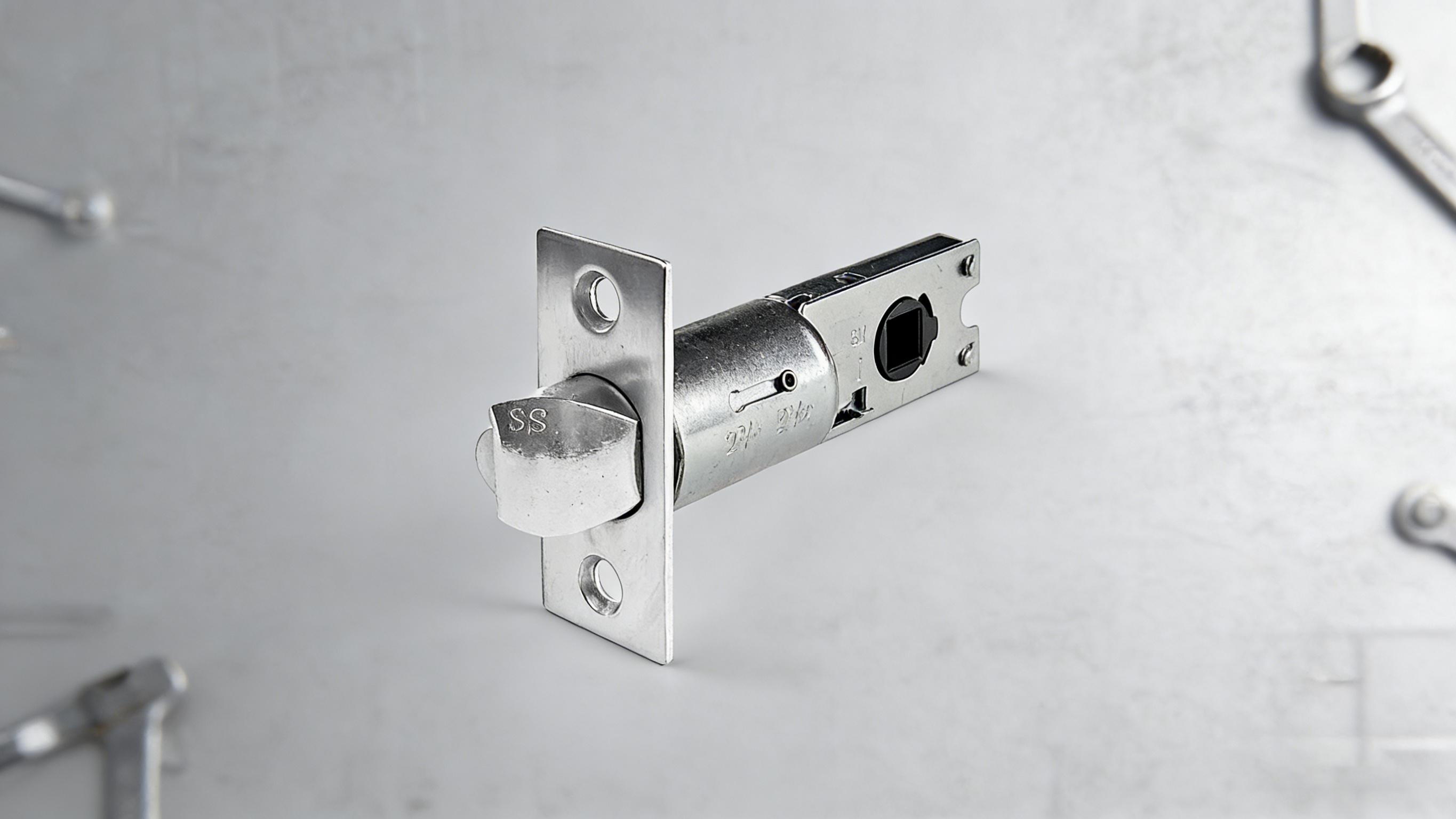
Before you pull out the tape measure, it helps to know exactly what you are working with. A tubular mortice lock (or tubular latch) is a type of door latch widely used on internal doors. Unlike a full mortice sash lock, which has a large rectangular body housing both a latch and a bolt, the tubular version is much smaller and simpler.
It consists of a tube-shaped body that slides into a hole drilled into the edge of the door. When you turn the door handle or knob, a spindle passes through the door and the latch mechanism, retracting the tongue (the metal piece that sticks out) and allowing the door to open.
While they are simple devices, they aren't universal. The distance from the edge of the door to the center of the handle—known as the backset—varies. Getting this wrong means your new handle won't cover the old holes, or the latch won't reach the strike plate on the door frame.
Tubular Latch vs. Tubular Deadbolt
You might also encounter the term Tubular Deadbolt. While they function similarly in terms of installation (using a bored hole in the door edge), their purpose is different.
Tubular Latch: Used primarily for internal doors where security isn't the main concern. It holds the door shut but doesn't lock it (unless combined with a separate locking mechanism or privacy handle).
Tubular Deadbolt: Used for security, typically on external doors. It has a solid bolt that extends into the door frame and is operated by a key or thumb turn.
The measuring process is largely the same for both, so you can apply the steps below regardless of which hardware you are replacing.
The Two Key Measurements You Need
When replacing a latch, you don't need to measure every single angle of the device. There are really only two critical dimensions that dictate whether a new lock will fit your door: the backset and the case depth.
1. The Backset (The Most Important Number)
The backset is the distance from the edge of the door (where the faceplate sits) to the center of the spindle hole (where the handle goes).
This measurement determines where your handle sits on the face of the door. If you buy a latch with a different backset than your previous one, your handle's spindle won't align with the latch mechanism, or you'll have to drill new holes in your door—a messy job you want to avoid.
Standard Backset Sizes:
Most residential tubular mortice locks come in two standard backset sizes:
45mm (1 3/4 inch): Common for narrow framed glazed doors or older doors.
60mm (2 3/8 inch): The most standard size for modern internal doors.
70mm (2 3/4 inch): Often found on commercial doors or heavy-duty locks.
2. The Case Depth (Overall Length)
The case depth is the total length of the latch body, from the faceplate to the very back of the tubular casing.
While the backset is crucial for handle alignment, the case depth ensures the lock fits inside the hole drilled into your door. If the new latch is significantly longer than the old one, you might need to drill deeper into the door edge. If it's too short, it might fit loosely or not sit securely.
Step-by-Step Guide to Measuring
You can measure a tubular mortice lock in two ways: while it's still in the door, or after you've removed it. For the most accuracy, removing it is highly recommended.
Method 1: Measuring with the Lock Removed (Recommended)
Removing the latch gives you clear access to the mechanism, eliminating guesswork.
Remove the handle: Unscrew the door handle or knob on both sides of the door and pull out the spindle.
Unscrew the faceplate: Locate the two screws on the edge of the door holding the latch in place. Remove them.
Extract the latch: Gently pry the latch out of the door. You might need a flathead screwdriver to help lever it out.
Measure the Backset: Lay the latch on a flat surface. Measure from the front of the metal faceplate to the center of the square hole (the follower) where the spindle goes. This is your backset measurement (e.g., 45mm, 60mm, or 70mm).
Measure the Case Depth: Measure the total length of the latch from the faceplate to the rear end of the casing. This helps you verify that the new latch will fit into the existing mortice pocket.
Method 2: Measuring with the Lock Installed
If you don't want to take the door apart just yet, you can estimate the measurement.
Open the door: Stand so you can see the edge of the door.
Locate the center: Look at the handle or keyhole. visualize where the center of the spindle is.
Measure: Place your tape measure on the edge of the door (where the latch tongue comes out). Measure across the face of the door to the center of the handle or keyhole.
Confirm: This number is your backset. It should be close to a standard size like 44mm, 57mm, or 70mm (allowing for slight variation in installation).
Other Features to Check Before Buying
Measurements aren't the only factor. A Tubular Latch or lock comes with other specifications that affect installation and finish.
Faceplate Shape
Check the metal plate that sits flush with the door edge. Is it rectangular with square corners, or does it have rounded corners?
Square corners: Requires a chisel to square off the mortice if you are fitting it into a fresh door. If replacing, ensure the new faceplate matches the existing recess.
Rounded corners: Often installed with a router machine in factory-made doors. If your door has a rounded recess, you need a latch with rounded corners (or you'll need to chisel the door to fit a square one).
Strike Plate
The strike plate is the metal piece attached to the door frame that catches the latch. While these usually come with the new lock, checking the size of the old one can save you from having to fill and re-cut the frame if the new strike plate is a wildly different size.
Heavy Duty vs. Standard
For high-traffic doors, consider upgrading to a heavy-duty tubular latch. These have stronger internal springs, which are essential if you are using heavy, un-sprung door handles. A standard latch might not have enough power to return a heavy handle to the horizontal position, leaving it looking droopy.
Troubleshooting Common Measurement Issues
Sometimes the numbers don't land exactly on a standard size. Here is what to do if your measurements seem off.
"My measurement is weird, like 57mm."
If you measure 57mm, you likely have a standard 60mm backset latch, but you are measuring the case body rather than the backset, or accounting for the bezel differently. Alternatively, older imperial locks might measure 2 1/4 inches (approx 57mm). In most modern replacements, a 60mm backset is the intended replacement, but always check the manufacturer's specific conversion chart if dealing with vintage hardware.
"The new latch fits, but the handle is stiff."
This usually isn't a measurement issue but an alignment one. If the hole for the spindle isn't perfectly aligned with the latch follower, the spindle will bind. Loosen the handle screws slightly to see if the action improves.
Frequently Asked Questions about Tubular Mortice Locks
Can I replace a standard mortice lock with a tubular latch?
Generally, no. A standard sash mortice lock is much larger and requires a large rectangular pocket in the door. A tubular latch is small and cylindrical. Putting a tubular latch into a door cut for a full mortice lock would leave giant gaps that the faceplate wouldn't cover.
Do I need to replace the strike plate too?
Ideally, yes. Manufacturers design the latch and strike plate to work together for smooth operation. However, if the old strike plate is in good condition and aligns perfectly with the new latch tongue, you can often leave it in place to save work on the door frame.
How do I know if I need a heavy-duty latch?
If your door handles are solid brass or particularly heavy, or if the handles themselves don't have a spring mechanism built-in (un-sprung), you absolutely need a heavy-duty latch. The latch's spring is the only thing holding the handle up.
Getting the Perfect Fit for Your Door
Taking the time to measure your tubular mortice lock correctly saves you the hassle of returns and the frustration of a DIY job gone wrong. By focusing on the backset and case depth, you can confidently select the right Tubular Latch or Tubular Deadbolt for your home.
Remember, if in doubt, take the old latch out of the door and bring it with you to the hardware store. It’s the foolproof way to ensure your door closes with a satisfying click every single time.
Tubular Mortice Lock
Mortice Lock
Tubular Latch

 English
 العربية
 Français
 Русский
 Español
 Português
 Deutsch
 italiano
 日本語
日本語 한국어
한국어 Nederlands
 Tiếng Việt
 ไทย
ไทย Polski
 Türkçe
 አማርኛ
አማርኛ ພາສາລາວ
 ភាសាខ្មែរ
 Bahasa Melayu
 ဗမာစာ
ဗမာစာ தமிழ்
தமிழ் Filipino
 Bahasa Indonesia
 magyar
 Română
 Čeština
 Монгол
 қазақ
қазақ Српски
 हिन्दी
 فارسی
فارسی Kiswahili
 Slovenčina
 Slovenščina
 Norsk
Norsk Svenska
 українська
 Ελληνικά
 Suomi
Suomi Հայերեն
 עברית
עברית Latine
 Dansk
Dansk اردو
اردو Shqip
Shqip বাংলা
বাংলা Hrvatski
 Afrikaans
 Gaeilge
 Eesti keel
 Māori
Māori සිංහල
සිංහල नेपाली
 Oʻzbekcha
 latviešu
 অসমীয়া
 Aymara
 Azərbaycan dili
 Bamanankan
 Euskara
 Беларуская мова
 भोजपुरी
 Bosanski
 Български
 Català
 Cebuano
 Corsu
Corsu ދިވެހި
 डोग्रिड ने दी
 Esperanto
 Eʋegbe
 Frysk
Frysk Galego
 ქართული
 guarani
 ગુજરાતી
 Kreyòl ayisyen
 Hausa
Hausa ʻŌlelo Hawaiʻi
 Hmoob
Hmoob íslenska
 Igbo
Igbo Ilocano
 Basa Jawa
 ಕನ್ನಡ
ಕನ್ನಡ Kinyarwanda
 गोंगेन हें नांव
 Krio we dɛn kɔl Krio
 Kurdî
Kurdî Kurdî
Kurdî Кыргызча
 Lingala
 Lietuvių
 Oluganda
 Lëtzebuergesch
 Македонски
 मैथिली
 Malagasy
 മലയാളം
 Malti
Malti मराठी
मराठी ꯃꯦꯇꯥꯏ (ꯃꯅꯤꯄꯨꯔꯤ) ꯴.
 Mizo tawng
 Chichewa
 ଓଡ଼ିଆ
ଓଡ଼ିଆ Afaan Oromoo
 پښتو
پښتو ਪੰਜਾਬੀ
 Runasimi
 Gagana Samoa
 संस्कृत
 Gaelo Albannach
 Sepeti
 Sesotho
 chiShona
 سنڌي
سنڌي Soomaali
 Basa Sunda
 Wikang Tagalog
 Тоҷикӣ
 Татарча
 తెలుగు
 ትግንያውያን
 Xitsonga
 Türkmençe
 संस्कृत
 ئۇيغۇرچە
 Cymraeg
 isiXhosa
 ייִדיש
 Yorùbá
 isiZulu