A commercial mortise lock is a heavy-duty lock set installed into a deep pocket, or mortise, cut into the edge of a door. Known for their durability and robust security, these locks are a common sight in commercial buildings, hotels, and schools. But what happens when you need to replace one? Whether it’s due to wear and tear, a security upgrade, or a simple style change, removing a commercial mortise lock can seem daunting.
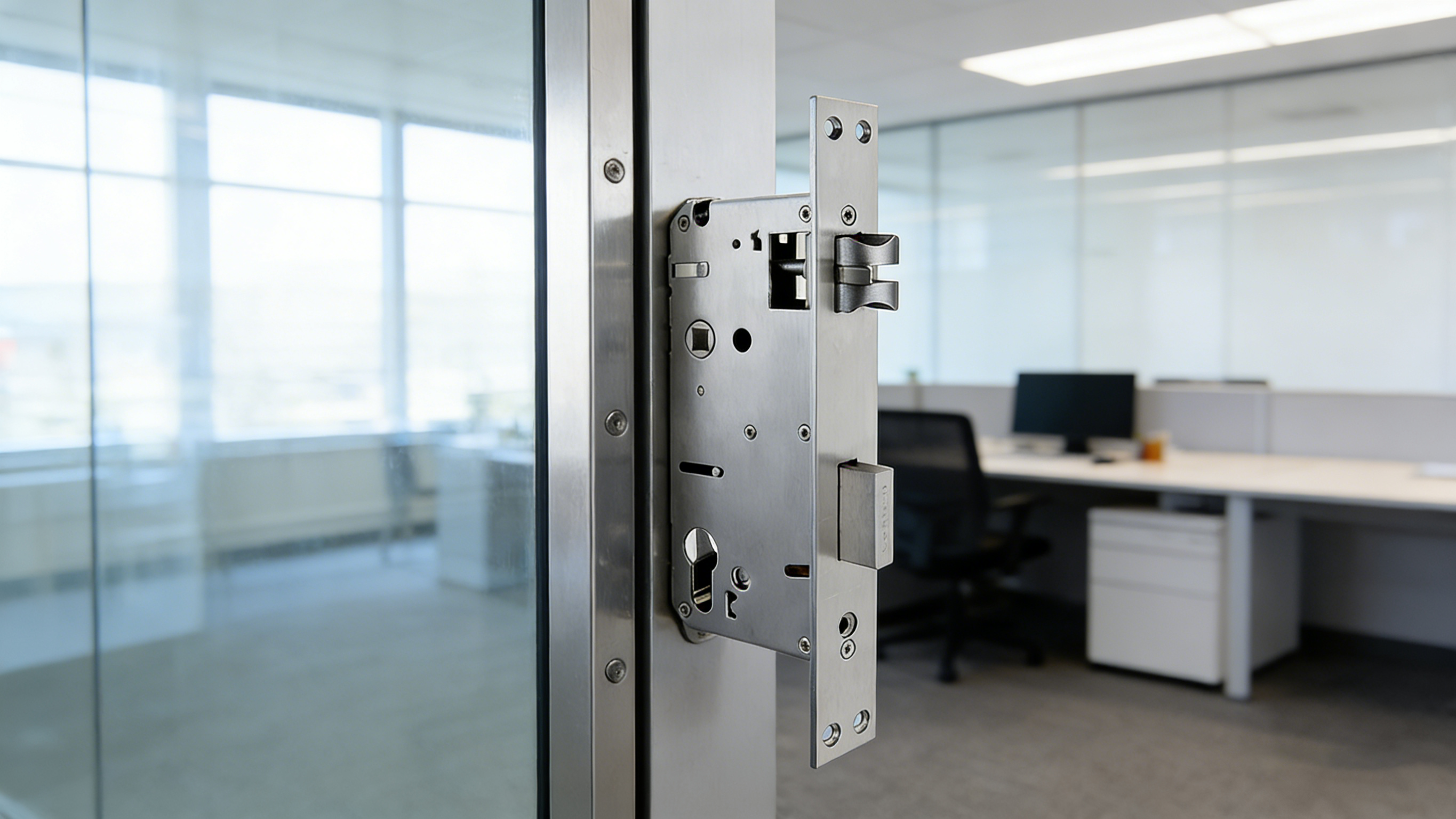
Unlike standard cylindrical locks found in most homes, mortise locks have a more complex assembly. They consist of a large lock body housed inside the door, a cylinder for the key, and various trim components like handles, levers, and plates. While this complexity contributes to their strength, it also means removal requires a few more steps and a bit more patience.
This guide will walk you through the process of removing a commercial mortise lock safely and efficiently. We will cover the tools you'll need, provide a step-by-step breakdown for removing both the entire lockset and just the cylinder, and offer some helpful tips to ensure the process goes smoothly. By the end of this post, you'll have the confidence and knowledge to tackle this project yourself.
Tools You Will Need
Before you begin, gathering the right tools will make the job much easier and prevent any damage to your door or the lock hardware. Fortunately, you don’t need a specialized toolkit. Most of the required tools are likely already in your toolbox.
Here’s a list of what you’ll need:
Screwdriver Set: You will need both Phillips head and flathead screwdrivers of various sizes. Mortise locks often use different types of screws for the faceplate, trim, and cylinder set screw.
Pliers (Optional): A pair of needle-nose pliers can be helpful for gripping small parts or providing extra torque if a screw is stuck.
Key or Cylinder Removal Tool: You will need the key that operates the lock or a key blank. A small, thin flathead screwdriver can also work in a pinch to turn the cylinder cam.
Work Gloves (Recommended): Wearing gloves can protect your hands from sharp edges and give you a better grip on the tools.
Small Container or Magnetic Tray: This is useful for keeping track of all the small screws and parts you remove. It's easy to lose them, and you may need them for the new installation.
Having these tools ready will streamline the removal process and help you stay organized from start to finish.
Step-by-Step Guide: Removing the Entire Lockset
If you're planning to replace the entire commercial mortise lock system—including the lock body, handles, and trim—follow these detailed steps. Make sure the door is open and secured so it doesn't swing shut while you're working.
Step 1: Remove the Interior Handle and Trim Plate
Start on the inside of the door. The interior handle (or lever) and thumbturn are typically held in place by set screws.
Locate the Set Screws: Look for small screws on the side or underside of the handle or lever shank. There may be one or two.
Loosen the Screws: Use the appropriate screwdriver or an Allen key to loosen these set screws. You usually don't need to remove them completely; just loosen them enough to release the handle.
Slide Off the Handle: Once the screws are loose, the handle or lever should slide right off its spindle.
Remove the Trim Plate: After the handle is off, you'll see screws holding the interior trim plate (also known as an escutcheon) to the door. Unscrew these and carefully remove the plate. This will expose the lock body inside the door and the mounting screws that hold it in place. Repeat this process for the exterior handle and trim if necessary.
1
Step 2: Unscrew the Faceplate on the Door's Edge
Now, move to the edge of the door where the latch and deadbolt are visible. You'll see a metal faceplate that covers the opening of the mortise pocket.
Locate the Faceplate Screws: There are typically two screws, one at the top and one at the bottom of the faceplate, that secure the lock body to the door.
Remove the Screws: Use your Phillips or flathead screwdriver to remove these screws completely. Be sure to place them in your container so they don't get lost.
1
Step 3: Slide the Lock Body Out
With the handles, trim, and faceplate screws removed, the entire lock body is now free to be removed from the door.
Gently Wiggle and Pull: Carefully grip the lock body from the mortise pocket on the edge of the door and slide it straight out. If it’s a tight fit, you may need to gently wiggle it back and forth. Avoid using excessive force, as this could damage the door.
Check for Obstructions: If the lock body seems stuck, double-check that all screws holding the trim and faceplate have been removed. Sometimes, old paint or varnish can also cause it to stick. You can use a utility knife to carefully score around the faceplate to break the seal.
Once the lock body is out, you have successfully removed the commercial mortise lock. You can now prepare the door for a new lock installation or take the old one for repair.
How to Remove Only the Mortise Cylinder
Sometimes, you might only need to replace the lock cylinder. This is common if you need to rekey the lock without replacing the entire hardware assembly. This process is quicker and requires fewer steps.
Step 1: Locate the Cylinder Set Screw
With the door open, look at the faceplate on the edge of the door. Between the latch and the deadbolt, you should find a small, threaded screw. This is the set screw that holds the cylinder in place. Some mortise locks may have two set screws if there are cylinders on both sides of the door.
Step 2: Loosen the Set Screw
Using a flathead screwdriver, turn the set screw counter-clockwise to loosen it. You only need to back it out a few turns—it doesn't need to be completely removed. Loosening it retracts the pin that locks the cylinder into the lock body.
Step 3: Unscrew the Cylinder
Now, you can remove the cylinder from the door.
Insert the Key: Place the key into the lock cylinder from the outside of the door.
Turn the Key Slightly: Turn the key about 10-15 degrees, as if you were unlocking the door. This aligns the cam on the back of the cylinder, allowing it to clear the lock body as you unscrew it.
Unscrew and Remove: While holding the key in this slightly turned position, use your other hand to grip the cylinder and turn it counter-clockwise. It will unscrew from the lock body. Continue turning until it is completely free, then pull it straight out.
If you don't have the key, a key blank or a small flathead screwdriver can often be used to turn the cam into the correct position.
Prepare for What's Next
Removing a commercial mortise lock is a manageable task when you break it down into simple steps. By gathering the right tools and following this guide, you can confidently remove the entire lockset or just the cylinder for replacement or repair. This not only saves you the cost of hiring a locksmith for a simple removal but also empowers you with valuable DIY skills for managing your property's security.
Whether you're upgrading to a more advanced security system or simply replacing a worn-out part, understanding the mechanics of your door hardware is the first step toward a successful project.
commercial mortise locks
commercial mortise lock
mortise cylinders

 English
 العربية
 Français
 Русский
 Español
 Português
 Deutsch
 italiano
 日本語
日本語 한국어
한국어 Nederlands
 Tiếng Việt
 ไทย
ไทย Polski
 Türkçe
 አማርኛ
አማርኛ ພາສາລາວ
 ភាសាខ្មែរ
 Bahasa Melayu
 ဗမာစာ
ဗမာစာ தமிழ்
தமிழ் Filipino
 Bahasa Indonesia
 magyar
 Română
 Čeština
 Монгол
 қазақ
қазақ Српски
 हिन्दी
 فارسی
فارسی Kiswahili
 Slovenčina
 Slovenščina
 Norsk
Norsk Svenska
 українська
 Ελληνικά
 Suomi
Suomi Հայերեն
 עברית
עברית Latine
 Dansk
Dansk اردو
اردو Shqip
Shqip বাংলা
বাংলা Hrvatski
 Afrikaans
 Gaeilge
 Eesti keel
 Māori
Māori සිංහල
සිංහල नेपाली
 Oʻzbekcha
 latviešu
 অসমীয়া
 Aymara
 Azərbaycan dili
 Bamanankan
 Euskara
 Беларуская мова
 भोजपुरी
 Bosanski
 Български
 Català
 Cebuano
 Corsu
Corsu ދިވެހި
 डोग्रिड ने दी
 Esperanto
 Eʋegbe
 Frysk
Frysk Galego
 ქართული
 guarani
 ગુજરાતી
 Kreyòl ayisyen
 Hausa
Hausa ʻŌlelo Hawaiʻi
 Hmoob
Hmoob íslenska
 Igbo
Igbo Ilocano
 Basa Jawa
 ಕನ್ನಡ
ಕನ್ನಡ Kinyarwanda
 गोंगेन हें नांव
 Krio we dɛn kɔl Krio
 Kurdî
Kurdî Kurdî
Kurdî Кыргызча
 Lingala
 Lietuvių
 Oluganda
 Lëtzebuergesch
 Македонски
 मैथिली
 Malagasy
 മലയാളം
 Malti
Malti मराठी
मराठी ꯃꯦꯇꯥꯏ (ꯃꯅꯤꯄꯨꯔꯤ) ꯴.
 Mizo tawng
 Chichewa
 ଓଡ଼ିଆ
ଓଡ଼ିଆ Afaan Oromoo
 پښتو
پښتو ਪੰਜਾਬੀ
 Runasimi
 Gagana Samoa
 संस्कृत
 Gaelo Albannach
 Sepeti
 Sesotho
 chiShona
 سنڌي
سنڌي Soomaali
 Basa Sunda
 Wikang Tagalog
 Тоҷикӣ
 Татарча
 తెలుగు
 ትግንያውያን
 Xitsonga
 Türkmençe
 संस्कृत
 ئۇيغۇرچە
 Cymraeg
 isiXhosa
 ייִדיש
 Yorùbá
 isiZulu