When you approach a door, you likely focus on the handle or the key you need to get inside. You probably don't spend much time analyzing the specific mechanical components that keep the door secure. However, if you are a business owner, a landlord, or a homeowner looking to upgrade your security, understanding the hardware is essential.
One of the most common yet frequently misunderstood pieces of door hardware is the mortise cylinder. While the name might sound technical, its function is fundamental to the security of millions of buildings worldwide.
If you have ever wondered how commercial glass doors lock, or why some heavy-duty apartment locks look different from standard residential knobs, you have likely encountered this specific hardware. This guide will break down exactly what a mortise cylinder is, how it works, and why it is the gold standard for many security applications.
Defining the Mortise Cylinder
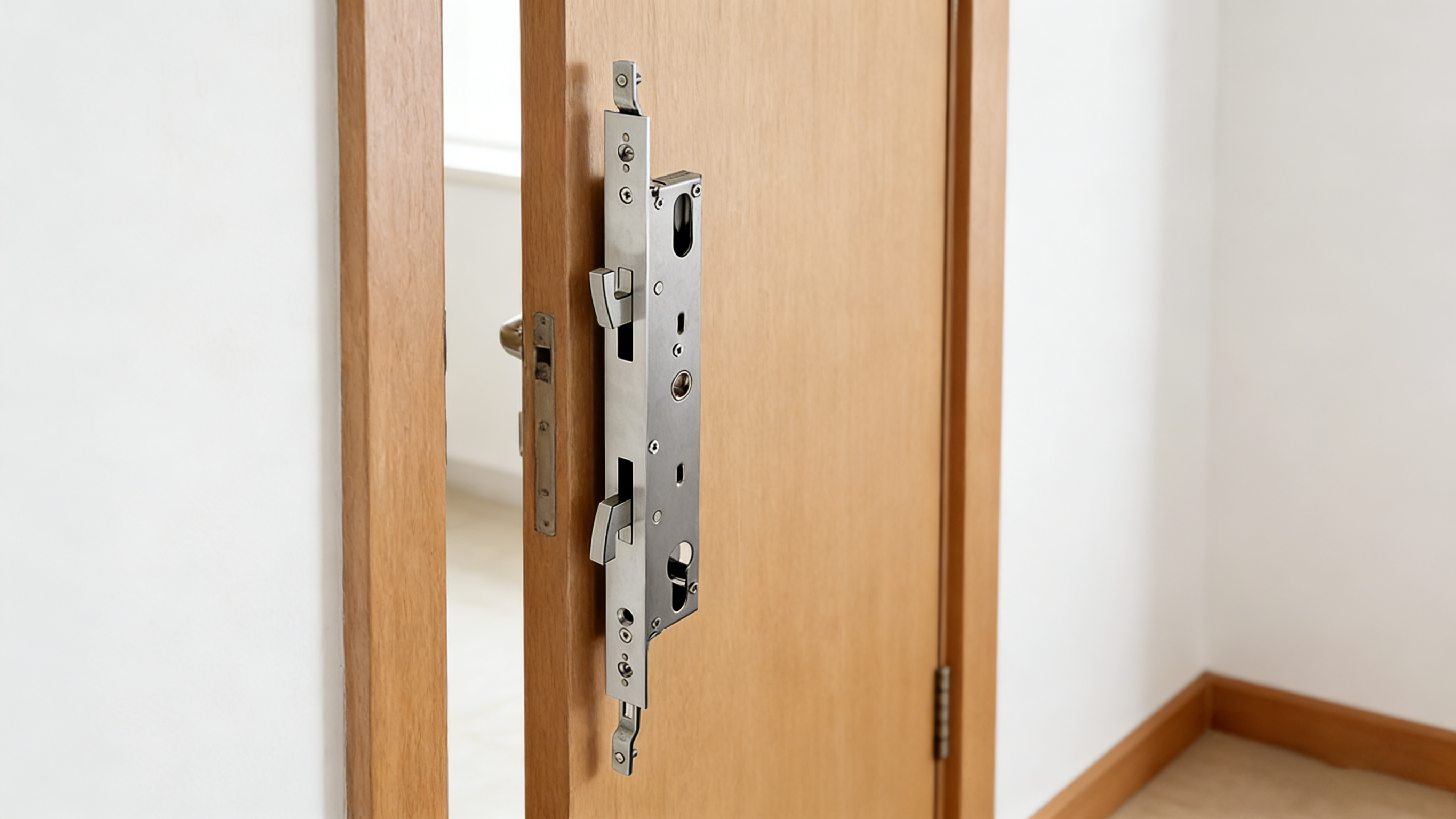
To understand the cylinder, we first have to understand the lock body. The word "mortise" refers to a hole or recess cut into a piece of wood or metal. In the context of door hardware, a mortise lock is a lock body that is installed inside a pocket cut into the edge of the door, rather than being bored through the face of the door (like a standard residential deadbolt).
The mortise cylinder is the specific component that screws into this lock body. It contains the keyway (where you insert your key) and the tumbler mechanism (the pins that align to the key).
Visually, a mortise cylinder is easy to identify. It is a round, threaded metal tube. On the front, it has a finished face with a keyhole. On the back, it features a rotating piece of metal called a "cam." The defining feature is the threaded exterior, which allows the cylinder to be screwed directly into the lock case deep inside the door.
How It Works: The Mechanics
The operation of a mortise cylinder is distinct from other locking mechanisms due to its modular design. Here is the basic breakdown of how it functions:
Installation: The cylinder is screwed into the mortise lock body. Once it is screwed in to the correct depth, a set screw located on the edge of the door is tightened to clamp the cylinder in place, preventing it from being unscrewed.
Key Insertion: When you insert the correct key, the pins inside the cylinder align at the "shear line," allowing the plug to turn.
The Cam: This is the critical part. As you turn the key, the tailpiece—or "cam"—on the back of the cylinder rotates. This cam engages with the internal mechanism of the lock body, retracting the latch or throwing the deadbolt.
Because the cylinder relies on a cam rather than a long tailpiece (like you might see on a rim cylinder or a standard deadbolt), the interaction is direct and robust.
Primary Uses for Mortise Cylinders
You won't find these cylinders on every door. They are designed for specific environments where durability and modularity are required.
1. Commercial Storefronts
The most common place you will see a mortise cylinder is on aluminum and glass storefront doors. These doors typically use "Adams Rite" style locks. The narrow stile of the metal frame requires a compact, strong locking mechanism that fits inside the frame itself. The threaded mortise cylinder is the perfect solution for these narrow spaces.
2. High-Traffic Institutional Buildings
Schools, hospitals, and government buildings often favor mortise locks. These facilities have heavy doors that see thousands of cycles per year. The mortise lock body is much larger and stronger than a standard cylindrical lock, and the mortise cylinder allows facility managers to easily swap out keys without replacing the expensive lock body.
3. Apartment Complexes and Condos
Landlords love mortise cylinders for their re-keying capabilities. If a tenant moves out, the maintenance team doesn't need to take the lock apart. They can simply loosen the set screw, spin out the old cylinder, and screw in a new one in seconds.
4. Historic Homes
Many older homes (pre-1950s) were built with mortise lock boxes. While the mechanisms inside might be old, many can be retrofitted or updated with modern mortise cylinders to accept new keys while maintaining the vintage aesthetic of the door hardware.
Mortise vs. Rim vs. Key-in-Knob
Confusion often arises because many lock cylinders look similar from the front. However, they are not interchangeable.
Mortise Cylinder: Has a threaded body and screws into the lock. It uses a cam on the back.
Rim Cylinder: Used largely on "panic bars" (exit devices) or surface-mounted locks. It is not threaded. Instead, it is held on by long screws from the back and has a long, flat tailpiece that extends through the door.
Key-in-Knob/Lever (KIK/KIL): These cylinders are hidden inside the doorknob or lever itself. They are not threaded and are generally much more difficult to remove than a mortise cylinder.
The Advantages of Using Mortise Cylinders
Why do architects and locksmiths continue to rely on this technology? There are several key benefits that keep the mortise cylinder relevant.
Unmatched Durability
Because the lock body is encased inside the door, it is protected from tampering and weather. The cylinder itself is a solid piece of machined brass or zinc, designed to withstand heavy use.
Easy Re-keying and Replacement
As mentioned regarding apartment complexes, the modular nature of the mortise cylinder is its greatest asset. If a key is lost or stolen, you don't have to replace the hardware on the door. You only replace the cylinder itself. This makes maintaining security in large buildings significantly cheaper and faster.
Master Keying Capability
Mortise cylinders are excellent for complex master key systems. Because they are standard sizes, a building can have different types of lock bodies (deadbolts, latch locks, storefront hooks) but use the same brand of mortise cylinder for all of them. This allows one master key to open every door in the building, while individual keys only open specific offices.
Selecting the Right Cylinder
If you need to replace a mortise cylinder, you cannot simply grab the first one you see. There are three main variables you must check to ensure it fits your door.
1. The Cam
The cam is the metal tab on the back of the cylinder. Different lock bodies require different cams. A "Standard" cam looks like a teardrop, while an "Adams Rite" cam looks closer to a cloverleaf. If you buy the wrong cam, turning the key will do nothing because the cam won't hit the lock mechanism. Fortunately, cams are usually removable and swappable.
2. The Length
Cylinders come in different lengths, typically ranging from 1 inch to 1 ¼ inches or longer. If the cylinder is too short, it will sink into the door and be hard to use. If it is too long, it will stick out, creating a security risk where a thief could grab it with pliers and twist it off.
3. The Keyway
This refers to the shape of the hole where the key enters (e.g., Schlage C, Kwikset, Yale). If you want your new lock to match your existing house or office keys, you must buy a cylinder with the matching keyway.
Conclusion
While it may look like just a simple circle of metal on your door, the mortise cylinder is a powerhouse of security hardware. Its threaded design offers strength, its modular nature offers convenience, and its widespread use in commercial industries proves its reliability.
Whether you are securing a glass storefront or restoring a vintage front door, understanding what a mortise cylinder is used for ensures you can make the right decisions for your safety and property. If your current locks are worn or you need to update your security, checking to see if you have mortise hardware is the first step toward a secure solution.
EN1303 Lock Cylinder
Mortise Cylinder
brass cylinder lock

 English
 العربية
 Français
 Русский
 Español
 Português
 Deutsch
 italiano
 日本語
日本語 한국어
한국어 Nederlands
 Tiếng Việt
 ไทย
ไทย Polski
 Türkçe
 አማርኛ
አማርኛ ພາສາລາວ
 ភាសាខ្មែរ
 Bahasa Melayu
 ဗမာစာ
ဗမာစာ தமிழ்
தமிழ் Filipino
 Bahasa Indonesia
 magyar
 Română
 Čeština
 Монгол
 қазақ
қазақ Српски
 हिन्दी
 فارسی
فارسی Kiswahili
 Slovenčina
 Slovenščina
 Norsk
Norsk Svenska
 українська
 Ελληνικά
 Suomi
Suomi Հայերեն
 עברית
עברית Latine
 Dansk
Dansk اردو
اردو Shqip
Shqip বাংলা
বাংলা Hrvatski
 Afrikaans
 Gaeilge
 Eesti keel
 Māori
Māori සිංහල
සිංහල नेपाली
 Oʻzbekcha
 latviešu
 অসমীয়া
 Aymara
 Azərbaycan dili
 Bamanankan
 Euskara
 Беларуская мова
 भोजपुरी
 Bosanski
 Български
 Català
 Cebuano
 Corsu
Corsu ދިވެހި
 डोग्रिड ने दी
 Esperanto
 Eʋegbe
 Frysk
Frysk Galego
 ქართული
 guarani
 ગુજરાતી
 Kreyòl ayisyen
 Hausa
Hausa ʻŌlelo Hawaiʻi
 Hmoob
Hmoob íslenska
 Igbo
Igbo Ilocano
 Basa Jawa
 ಕನ್ನಡ
ಕನ್ನಡ Kinyarwanda
 गोंगेन हें नांव
 Krio we dɛn kɔl Krio
 Kurdî
Kurdî Kurdî
Kurdî Кыргызча
 Lingala
 Lietuvių
 Oluganda
 Lëtzebuergesch
 Македонски
 मैथिली
 Malagasy
 മലയാളം
 Malti
Malti मराठी
मराठी ꯃꯦꯇꯥꯏ (ꯃꯅꯤꯄꯨꯔꯤ) ꯴.
 Mizo tawng
 Chichewa
 ଓଡ଼ିଆ
ଓଡ଼ିଆ Afaan Oromoo
 پښتو
پښتو ਪੰਜਾਬੀ
 Runasimi
 Gagana Samoa
 संस्कृत
 Gaelo Albannach
 Sepeti
 Sesotho
 chiShona
 سنڌي
سنڌي Soomaali
 Basa Sunda
 Wikang Tagalog
 Тоҷикӣ
 Татарча
 తెలుగు
 ትግንያውያን
 Xitsonga
 Türkmençe
 संस्कृत
 ئۇيغۇرچە
 Cymraeg
 isiXhosa
 ייִדיש
 Yorùbá
 isiZulu