If you have ever found yourself staring at a loose door handle or trying to swap out a cylinder on a commercial door, you have likely encountered the tiny, often frustrating component known as the set screw. Despite its small size, this screw plays a pivotal role in the security and functionality of a mortise lock. But when it goes missing or strips out, finding a replacement can feel like searching for a needle in a haystack.
So, what size is the set screw on a mortise lock? The answer isn't a single number, but rather a range of possibilities depending on the manufacturer and the specific function of the screw. Understanding these differences is key to maintaining the integrity of your door hardware without causing damage.
This guide explores the standard sizes for mortise lock set screws, how to identify what you need, and why getting the size right matters for your building's security.
What is the function of a set screw in a mortise lock?
Before diving into specific dimensions, it is helpful to understand exactly what this screw does. In the context of a mortise lock—a lock that is recessed into a pocket (mortise) cut into the door edge—set screws generally serve two primary purposes:
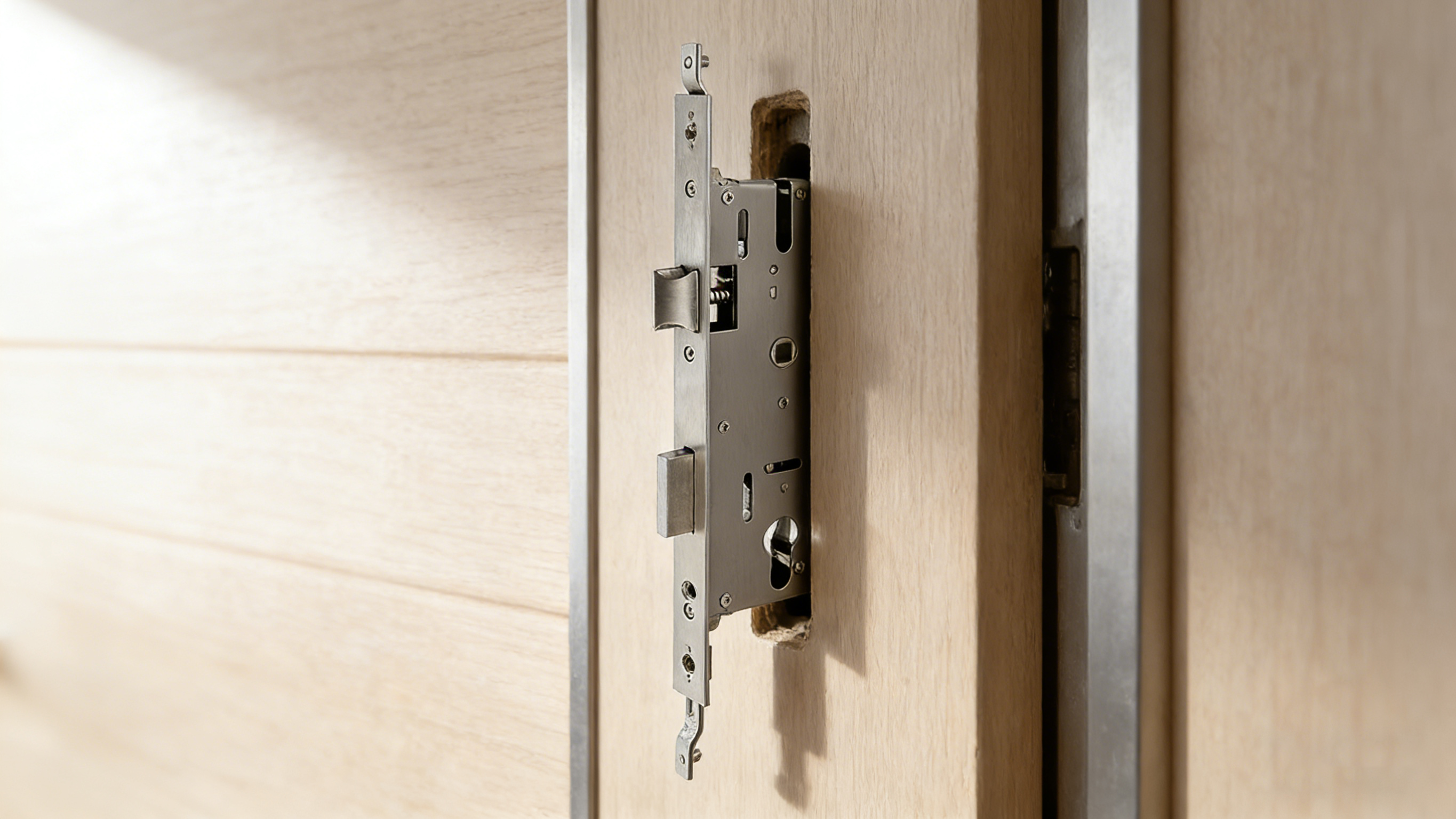
Securing the Cylinder: The most common "set screw" people look for is the one that holds the mortise cylinder (the part where you insert your key) in place. This screw is located on the faceplate of the lock body (the edge of the door). When tightened, it prevents the cylinder from being unscrewed from the outside.
Securing the Lever or Knob: On the trim of the lock, small set screws are often used to secure the lever handle or doorknob to the spindle, preventing the handle from wobbling or sliding off.
Because these functions are different, the screws used are often different sizes. However, the most critical set screw for security and maintenance is usually the cylinder set screw.
What are the standard set screw sizes?
While there is no universal standard that applies to every single lock brand globally, there are industry norms that most major manufacturers follow.
Cylinder Set Screws
For the screw that secures the mortise cylinder into the lock body, the industry standard is typically:
8-32 Thread: This is by far the most common thread pitch for American commercial mortise locks.
Length: The length can vary, but it is often long enough to reach the groove in the cylinder body.
However, variations exist. Some European-style locks or older vintage locks might use different threading.
Lever/Knob Set Screws
These are much smaller and can vary significantly between brands (e.g., Schlage, Sargent, Yale, Corbin Russwin). Common sizes include:
1
Common Mortise Lock Set Screw Sizes by Application
To help you identify the right screw, here is a breakdown of common sizes based on where they are used within the lock assembly.
Application | Common Thread Size | Drive Type | Notes |
Cylinder Retaining Screw | 8-32 | Phillips or Flathead | Located on the faceplate; secures the key cylinder. |
Lever Handle Set Screw | 1/4"-20 or 10-32 | Allen (Hex) Key | Holds the handle to the spindle. |
Faceplate Mounting Screws | 8-32 | Phillips | Secures the decorative armor front to the lock body. |
Strike Plate Screws | 12-24 or #12 Wood | Phillips | Secures the strike plate to the door frame. |
How do different manufacturers compare?
If you are replacing a set screw, your best bet is to know the manufacturer of your lock body. While many are interchangeable, high-security or proprietary systems may differ.
For example, most American commercial brands (like those following ANSI/BHMA standards) will utilize the 8-32 screw for the cylinder retainer. This allows for a certain level of standardization for locksmiths and facility managers.
However, if you are dealing with specific architectural hardware or residential mortise locks, you might encounter:
Baldwin: Known for using specific set screws for their levers which may require a specific hex key size (often 1/8" or 3/32").
European Profile Locks: If your mortise lock uses a Euro profile cylinder, the retaining screw is typically an M5 metric screw that passes through the lock face and into the center of the cylinder, rather than a set screw that clamps against the side.
Why does the correct size matter?
Using the "close enough" screw size is a recipe for hardware failure. Here is why precision is non-negotiable:
Thread Damage: Forcing a coarse-thread screw into a fine-thread hole (or metric into imperial) will strip the threads inside the lock body. Once the lock body threads are ruined, you often have to replace the entire expensive lock case.
Security Risks: If a cylinder set screw is too short or the wrong diameter, it won't engage the groove of the cylinder properly. This means a thief could potentially unscrew the cylinder from the outside, gaining access to the lock mechanism.
Wobbly Handles: For lever set screws, an incorrect size won't tighten sufficiently against the spindle. This leads to sagging handles and eventual mechanical failure.
1
How can you measure a set screw?
If you have the old screw but don't know the size, don't guess.
Use a Thread Gauge: You can buy a cheap thread gauge tool at any hardware store. It has nut and bolt sizes that you can test your screw against.
Visit a Local Hardware Store: Take the screw to a store with a "fastener aisle." They usually have a test board where you can screw your item in to verify the thread count (e.g., checking if it's 8-32 vs 10-32).
Check the Allen Key: For lever set screws, the size of the hex key required to tighten it can sometimes indicate the screw size. For example, a 1/8" Allen key often pairs with a #10 set screw, though this isn't a hard rule.
1
Where can you find replacement screws?
If you have lost the screw entirely, you have a few options:
Locksmith Supply Shops: These are your best bet. They sell specific "screw kits" for mortise locks that include cylinder set screws, faceplate screws, and cam screws.
Manufacturer Support: Companies like Toptek Hardware, which specialize in commercial mechanical and electrified hardware, can often provide specifications or replacement parts for their systems.
Fastener Retailers: If you are certain of the size (e.g., 8-32 x 1.5"), a general fastener store will carry them, but ensure you get the correct head type (e.g., flat head vs. pan head) so it sits flush on the faceplate.
1
Summary
The most common answer to "what size is the set screw on a mortise lock" regarding the cylinder is 8-32. However, for levers and knobs, it varies between 1/4"-20 and 10-32.
When dealing with commercial security hardware, guessing is risky. Always measure the existing screw or consult the lock manufacturer’s spec sheet. A small screw secures the entire entry point—ensuring it is the right fit is a small step that guarantees long-term security.
Sources
mortise lock sizes
mortise lock
replacing a mortise lock

 English
 العربية
 Français
 Русский
 Español
 Português
 Deutsch
 italiano
 日本語
日本語 한국어
한국어 Nederlands
 Tiếng Việt
 ไทย
ไทย Polski
 Türkçe
 አማርኛ
አማርኛ ພາສາລາວ
 ភាសាខ្មែរ
 Bahasa Melayu
 ဗမာစာ
ဗမာစာ தமிழ்
தமிழ் Filipino
 Bahasa Indonesia
 magyar
 Română
 Čeština
 Монгол
 қазақ
қазақ Српски
 हिन्दी
 فارسی
فارسی Kiswahili
 Slovenčina
 Slovenščina
 Norsk
Norsk Svenska
 українська
 Ελληνικά
 Suomi
Suomi Հայերեն
 עברית
עברית Latine
 Dansk
Dansk اردو
اردو Shqip
Shqip বাংলা
বাংলা Hrvatski
 Afrikaans
 Gaeilge
 Eesti keel
 Māori
Māori සිංහල
සිංහල नेपाली
 Oʻzbekcha
 latviešu
 অসমীয়া
 Aymara
 Azərbaycan dili
 Bamanankan
 Euskara
 Беларуская мова
 भोजपुरी
 Bosanski
 Български
 Català
 Cebuano
 Corsu
Corsu ދިވެހި
 डोग्रिड ने दी
 Esperanto
 Eʋegbe
 Frysk
Frysk Galego
 ქართული
 guarani
 ગુજરાતી
 Kreyòl ayisyen
 Hausa
Hausa ʻŌlelo Hawaiʻi
 Hmoob
Hmoob íslenska
 Igbo
Igbo Ilocano
 Basa Jawa
 ಕನ್ನಡ
ಕನ್ನಡ Kinyarwanda
 गोंगेन हें नांव
 Krio we dɛn kɔl Krio
 Kurdî
Kurdî Kurdî
Kurdî Кыргызча
 Lingala
 Lietuvių
 Oluganda
 Lëtzebuergesch
 Македонски
 मैथिली
 Malagasy
 മലയാളം
 Malti
Malti मराठी
मराठी ꯃꯦꯇꯥꯏ (ꯃꯅꯤꯄꯨꯔꯤ) ꯴.
 Mizo tawng
 Chichewa
 ଓଡ଼ିଆ
ଓଡ଼ିଆ Afaan Oromoo
 پښتو
پښتو ਪੰਜਾਬੀ
 Runasimi
 Gagana Samoa
 संस्कृत
 Gaelo Albannach
 Sepeti
 Sesotho
 chiShona
 سنڌي
سنڌي Soomaali
 Basa Sunda
 Wikang Tagalog
 Тоҷикӣ
 Татарча
 తెలుగు
 ትግንያውያን
 Xitsonga
 Türkmençe
 संस्कृत
 ئۇيغۇرچە
 Cymraeg
 isiXhosa
 ייִדיש
 Yorùbá
 isiZulu