When it comes to securing residential and commercial properties, mortise locks have long been a preferred choice due to their durability, reliability, and enhanced security features. Among the various types of mortise locks available, two primary categories stand out: deadbolt mortise locks and sash mortise locks. Understanding the differences between these two types is essential for selecting the right lock for your needs. Additionally, with the growing emphasis on safety standards, CE Mortice Locks have become increasingly important, ensuring compliance with European quality and security benchmarks.
In this article, we will explore the two main types of mortise locks, their applications, and why CE-certified mortise locks are a smart choice for homeowners and businesses alike.
1. Deadbolt Mortise Locks
Deadbolt mortise locks are one of the most common types of mortise locks used in residential and commercial settings. They are known for their superior strength and resistance to forced entry.
How They Work
A deadbolt mortise lock operates using a bolt that extends deep into the door frame when locked. Unlike spring-based latches, deadbolts are not spring-loaded and must be activated manually using a key or thumb-turn mechanism. This makes them significantly more resistant to physical attacks such as kicking, prying, or bumping.
Key Features
· High Security: The bolt is typically made of hardened steel and extends at least 1 inch into the strike plate, providing robust protection.
· Durability: These locks are built to last, often constructed from heavy-duty materials like brass or steel.
· Key Control: Many deadbolt mortise locks offer advanced keying options, including master key systems, making them ideal for multi-tenant buildings or offices.
Common Applications
Deadbolt mortise locks are commonly used as primary locks on exterior doors, including front doors, back doors, and garage entry points. They are also frequently installed in high-security areas such as server rooms or storage facilities.
2. Sash Mortise Locks
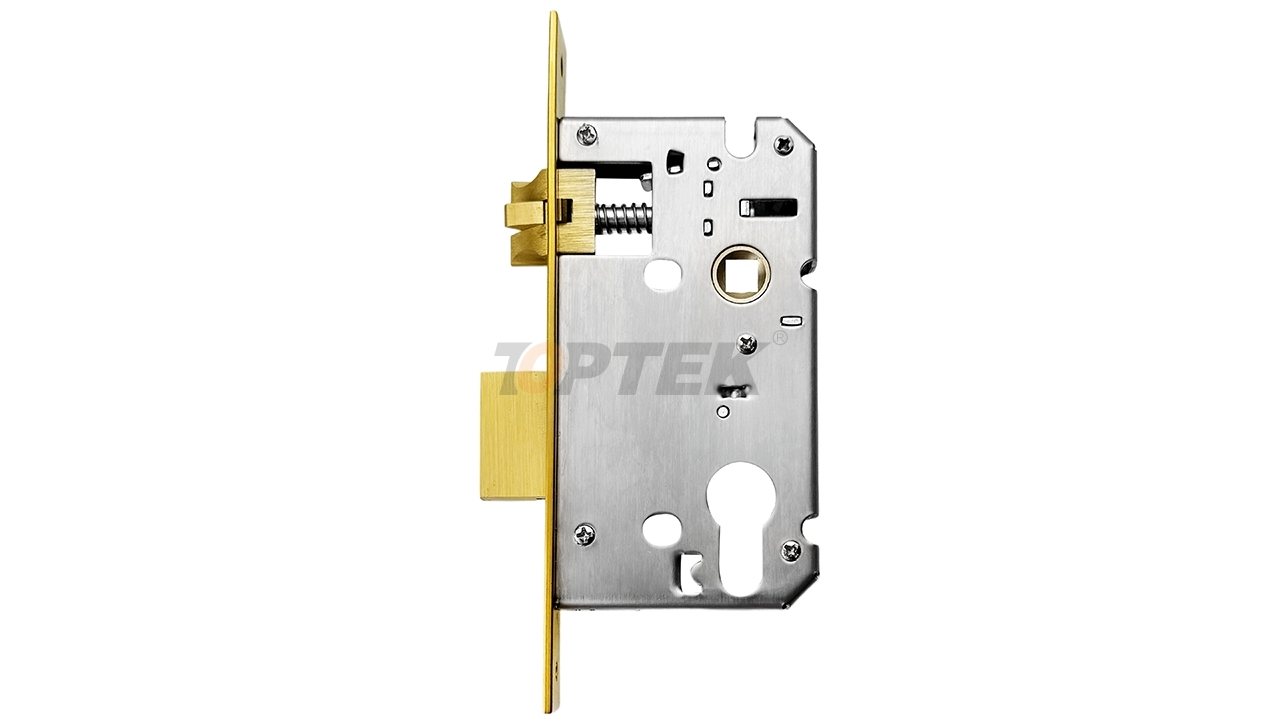
Sash mortise locks, also known as mortise sashlocks, combine a deadbolt mechanism with a latchbolt operated by a handle or knob. This dual functionality makes them a versatile option for both security and convenience.
How They Work
A sash mortise lock includes two main components:
· A deadbolt for security.
· A latchbolt that retracts when the handle is turned, allowing easy operation without a key.
The latchbolt is typically spring-loaded, enabling the door to close and latch automatically. The deadbolt must be engaged separately for added security.
Key Features
· Convenience: The latchbolt allows for effortless daily use, while the deadbolt provides enhanced security when needed.
· Versatility: Sash mortise locks are available in various designs, including those with lever handles for compliance with accessibility standards.
· Aesthetic Appeal: These locks often feature elegant designs, making them suitable for both traditional and modern properties.
Common Applications
Sash mortise locks are widely used in residential homes, hotels, and office buildings where a balance of security and convenience is desired. They are particularly popular for interior doors requiring privacy, such as bedrooms and bathrooms, as well as for exterior doors where frequent access is necessary.
The Importance of CE Mortice Locks
When selecting a mortise lock, it is crucial to consider products that meet recognized safety and quality standards. CE Mortice Locks are certified to comply with European Union regulations, ensuring they undergo rigorous testing for durability, security, and performance.
Why Choose CE-Certified Locks?
· Enhanced Security: CE-certified locks are tested against attempts at picking, drilling, forced entry, and other forms of tampering.
· Quality Assurance: These locks meet strict manufacturing standards, guaranteeing longevity and reliability.
· Compliance: For projects in the EU or those following international best practices, CE certification is often a requirement.
Applications of CE Mortice Locks
CE Mortice Locks are suitable for a wide range of applications, from residential homes to commercial and public buildings. They are especially recommended for:
· Schools and hospitals
· Government buildings
· Hotels and hospitality venues
· High-security facilities
How to Choose the Right Mortise Lock
Selecting the right mortise lock depends on several factors:
1.Security Needs: For maximum security, opt for a deadbolt mortise lock. For convenience and versatility, choose a sash mortise lock.
2.Door Type: Ensure the lock is compatible with the door’s thickness and material.
3.Compliance Requirements: If operating in or supplying to the EU, CE-certified locks are essential.
4.Aesthetic Preferences: Consider the design and finish of the lock to match your property’s style.
Conclusion
Mortise locks remain a top choice for those seeking reliable and robust security solutions. The two primary types—deadbolt mortise locks and sash mortise locks—each offer unique benefits tailored to different needs. Whether you prioritize maximum security or everyday convenience, there is a mortise lock suitable for your application.
Moreover, with the increasing demand for certified security products, CE Mortice Locks provide an added layer of assurance, guaranteeing compliance with high standards of quality and safety. By understanding the differences between these two types of mortise locks and the importance of CE certification, you can make an informed decision to protect your property effectively.
Investing in the right mortise lock is not just about enhancing security—it’s about ensuring peace of mind for years to come.
CE Mortice Lock
Mortice Locks
Euro Mortice Lock

 English
 العربية
 Français
 Русский
 Español
 Português
 Deutsch
 italiano
 日本語
日本語 한국어
한국어 Nederlands
 Tiếng Việt
 ไทย
ไทย Polski
 Türkçe
 አማርኛ
አማርኛ ພາສາລາວ
 ភាសាខ្មែរ
 Bahasa Melayu
 ဗမာစာ
ဗမာစာ தமிழ்
தமிழ் Filipino
 Bahasa Indonesia
 magyar
 Română
 Čeština
 Монгол
 қазақ
қазақ Српски
 हिन्दी
 فارسی
فارسی Kiswahili
 Slovenčina
 Slovenščina
 Norsk
Norsk Svenska
 українська
 Ελληνικά
 Suomi
Suomi Հայերեն
 עברית
עברית Latine
 Dansk
Dansk اردو
اردو Shqip
Shqip বাংলা
বাংলা Hrvatski
 Afrikaans
 Gaeilge
 Eesti keel
 Māori
Māori සිංහල
සිංහල नेपाली
 Oʻzbekcha
 latviešu
 অসমীয়া
 Aymara
 Azərbaycan dili
 Bamanankan
 Euskara
 Беларуская мова
 भोजपुरी
 Bosanski
 Български
 Català
 Cebuano
 Corsu
Corsu ދިވެހި
 डोग्रिड ने दी
 Esperanto
 Eʋegbe
 Frysk
Frysk Galego
 ქართული
 guarani
 ગુજરાતી
 Kreyòl ayisyen
 Hausa
Hausa ʻŌlelo Hawaiʻi
 Hmoob
Hmoob íslenska
 Igbo
Igbo Ilocano
 Basa Jawa
 ಕನ್ನಡ
ಕನ್ನಡ Kinyarwanda
 गोंगेन हें नांव
 Krio we dɛn kɔl Krio
 Kurdî
Kurdî Kurdî
Kurdî Кыргызча
 Lingala
 Lietuvių
 Oluganda
 Lëtzebuergesch
 Македонски
 मैथिली
 Malagasy
 മലയാളം
 Malti
Malti मराठी
मराठी ꯃꯦꯇꯥꯏ (ꯃꯅꯤꯄꯨꯔꯤ) ꯴.
 Mizo tawng
 Chichewa
 ଓଡ଼ିଆ
ଓଡ଼ିଆ Afaan Oromoo
 پښتو
پښتو ਪੰਜਾਬੀ
 Runasimi
 Gagana Samoa
 संस्कृत
 Gaelo Albannach
 Sepeti
 Sesotho
 chiShona
 سنڌي
سنڌي Soomaali
 Basa Sunda
 Wikang Tagalog
 Тоҷикӣ
 Татарча
 తెలుగు
 ትግንያውያን
 Xitsonga
 Türkmençe
 संस्कृत
 ئۇيغۇرچە
 Cymraeg
 isiXhosa
 ייִדיש
 Yorùbá
 isiZulu